
Matching embossed texture
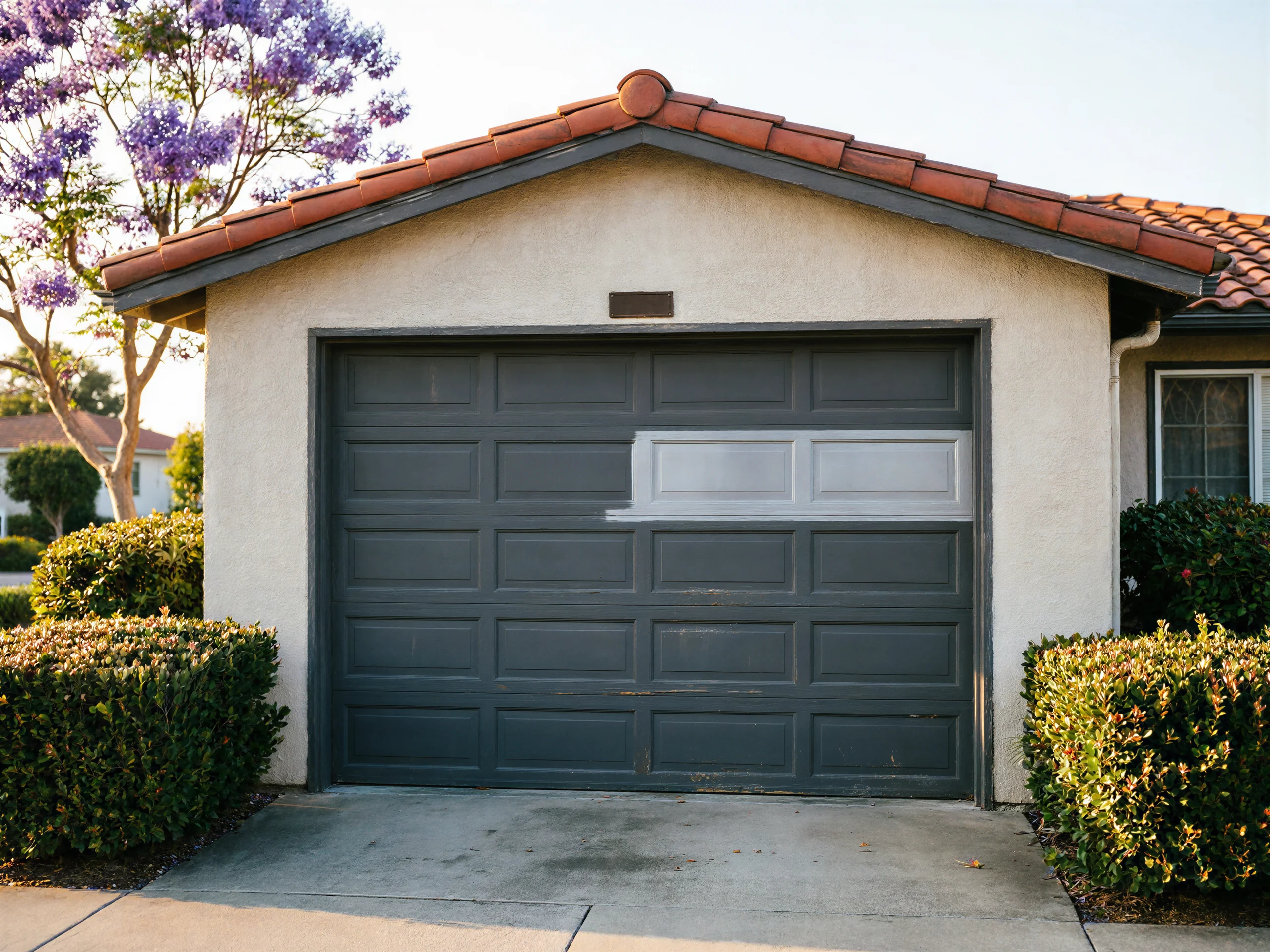
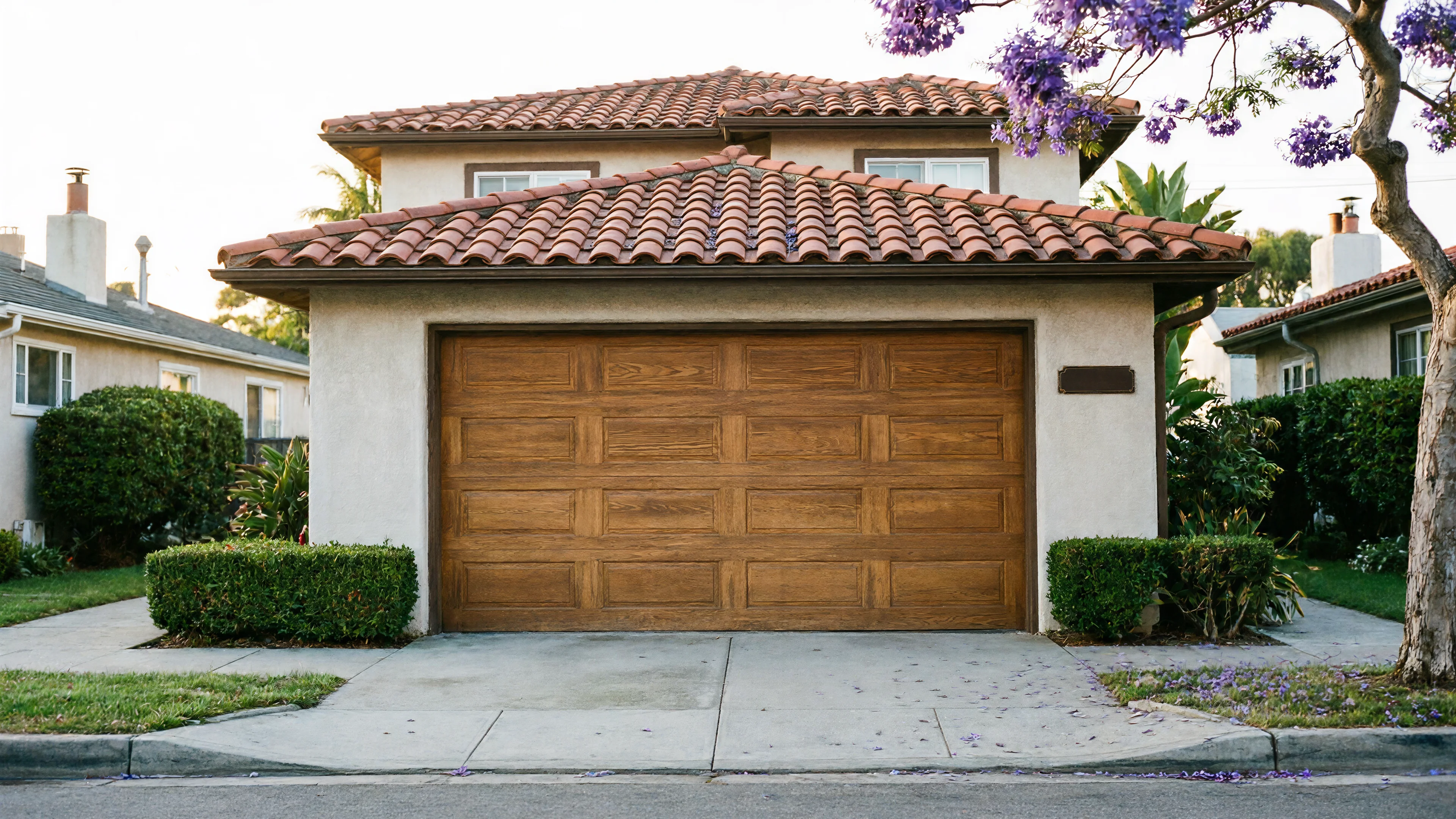
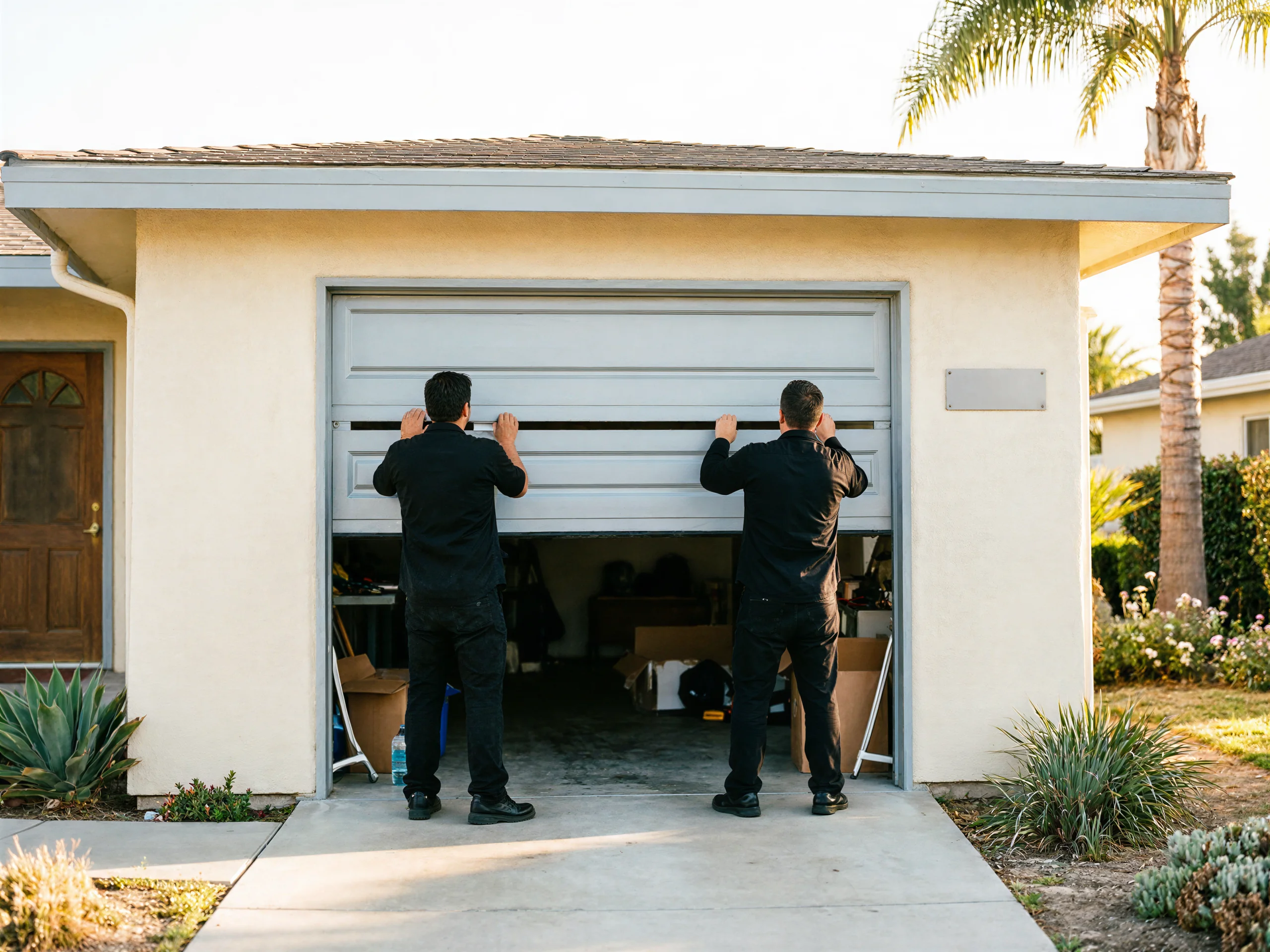
If you're looking at a single dented panel, swapping it yourself is possible, but matching the embossed wood-grain texture and panel height on a door this age is the hard part, not the bolts.
Placentia, Fullerton
Placentia's housing dates mostly to 1976, a decade newer than the area median. We match panels on those steel sectional doors from our Fullerton shop, 4 miles away.
DIY or pro
Placentia's roughly 16,979 households sit mostly in houses built around 1976, which means the doors are steel sectional units from the raised-panel era, not the flat wood slabs or early steel flush doors you'd find in older pockets of the service area.
If you're looking at a single dented panel, swapping it yourself is possible, but matching the embossed wood-grain texture and panel height on a door this age is the hard part, not the bolts.
Panels from that build era came in profile widths that some manufacturers have since changed slightly, so a panel that looks right in a photo can sit a quarter-inch proud of its neighbors once it's hung.
We'd also say this plainly: if more than one panel on the same side has failed, or the track is bent along with the panel, you're better off calling someone who can check the whole door while it's apart rather than bolting on a mismatched piece and hoping. The one thing we won't do is sell you a full new door when a panel swap solves it - that call depends on what's actually wrong, not on what's easiest to quote.
Our process
We come from Fullerton, 4 miles out, and we bring panel samples that cover the sectional profiles common to homes built through the 1970s, since that's what most of Placentia's doors are running.
The job starts with pulling the model and panel height off the door itself rather than guessing from the street - on a 1976-era door, the embossing pattern and the rib spacing both matter if the new panel is going to sit flush with the rest of the run.
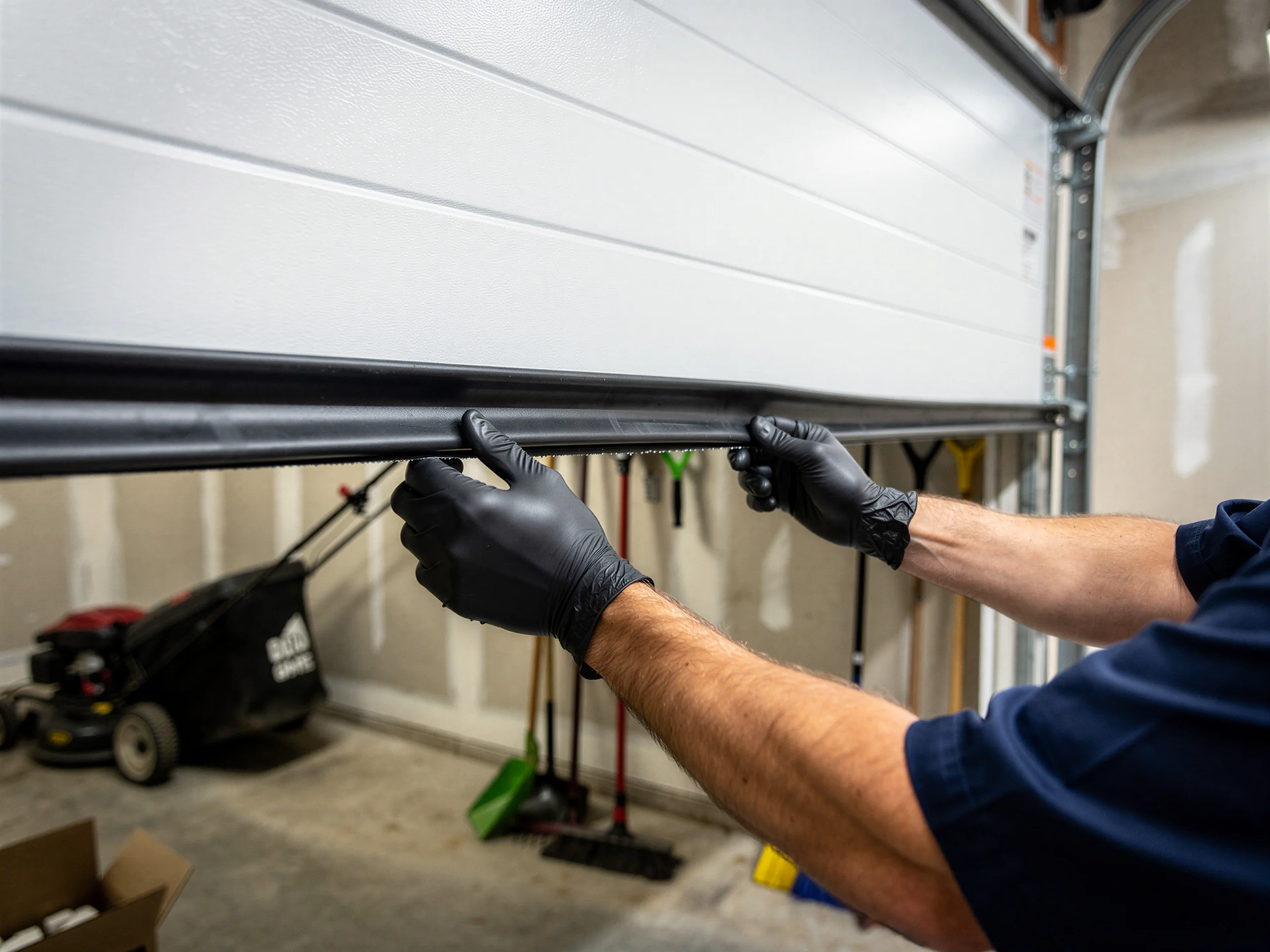
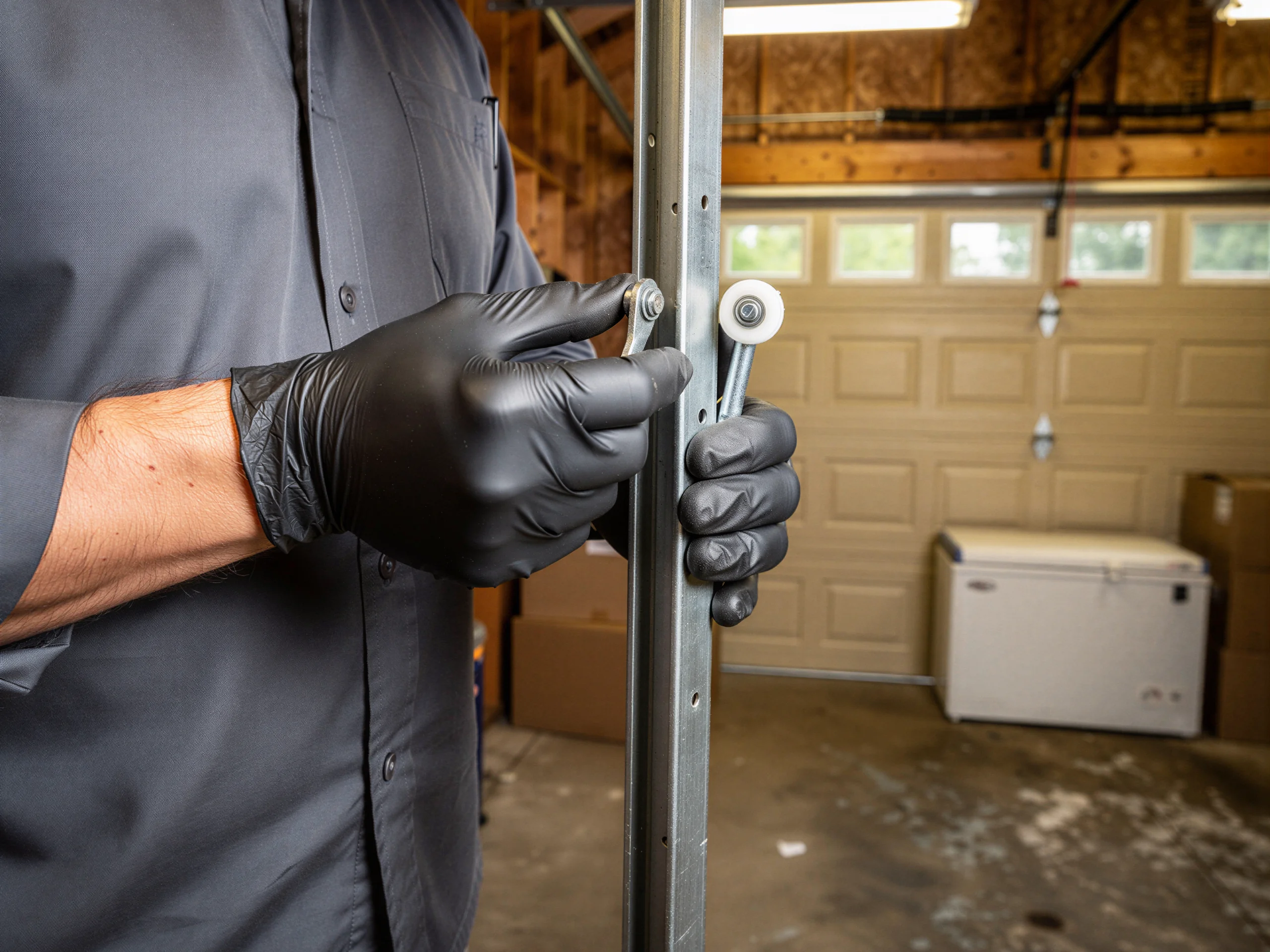
Once we've got the right panel, the swap itself is a torsion-spring-off, track-guide-out, panel-in job, done section by section so the door stays supported the whole time. We check the rollers and hinges on either side of the new panel while we're in there, since a stiff roller next to a fresh panel is what causes the next dent.
Where income levels in Placentia run higher than the service-area median, we see more requests for a better-insulated panel on the replacement rather than a straight match, and we'll quote that option alongside the like-for-like one.
Watch-outs
The main risk on a 1976-vintage door is a panel that's been discontinued by the manufacturer - the embossed patterns from that build era aren't all still in production, and a near-match panel sitting next to twenty-year-old faded paint looks worse than the dent did.
We check availability before we quote, not after the old panel's off the door. The other failure we see is a panel swapped onto bent track or a bowed section without checking it first, which just moves the binding to the new panel within a season.
On double doors from this era, the center stile that ties two panels together is also original-spec hardware on a lot of these houses, and a panel swap that ignores a worn stile will rack again.
We won't pretend every panel order ships fast - some of these profiles sit on manufacturer backorder for weeks, and we'll tell you that up front instead of quoting a date we can't hit.
Warning signs
Placentia sits in a mild temperate climate, so the panel damage we get called out for here is almost never weather-driven the way it might be somewhere with hard freeze-thaw cycles or heavy coastal salt air.
What we see instead is impact damage - a backed-into panel, a basketball dent, a bike pedal scrape near the bottom section - and sun-fading on the south- and west-facing doors, where the paint has gone chalky or the color's drifted from the rest of the door over the years.
On the 1976-era stock, the wood-grain embossing also tends to flatten out in the areas that get the most sun, which makes a faded panel stand out even without a dent. Rust shows up occasionally at the bottom panel edge where water sits after sprinklers hit the door, but it's the exception here, not the rule.
If a panel's bowed rather than dented, that's usually a sign the door's been forced while partly down, which is worth mentioning when we check the opener's force settings during the same visit.
Timing
A single-panel swap on a door we can match from stock is usually a same-visit job once we're on-site - the labor itself runs an hour or two depending on whether the spring has to come off to get the section out. The variable is the panel itself. If it's a current profile, we can often have it within a few days. If it's one of the discontinued embossed styles from the 1976-era builds, that can mean a longer wait on special order, and we'd rather tell you that before we start than leave a bay partly open while we wait on a part. For full double-door panel sets, plan on booking the install date once the panels are confirmed in stock rather than the day we quote it, since we're not holding inventory locally and every job comes out of the Fullerton shop.
Questions
If the manufacturer still makes that profile, yes - we match embossing pattern, rib spacing, and panel height before ordering. Some 1970s-era wood-grain patterns have been discontinued, though, and in that case we'll tell you honestly rather than send a near-match panel that looks off next to the rest of the door.
No. We work out of Fullerton, about 4 miles away, and bring panel samples with us to confirm the match on-site, then order the actual panel once we've got the right profile and color. We don't run a local depot or warehouse in Placentia.
Depends on the door's age and how many panels are affected. A single dented panel on an otherwise sound 1976-era door is almost always cheaper to replace alone. Once two or more panels or the track are compromised, a full door often works out close in cost and comes with a longer service life.
Sun exposure fades painted steel unevenly over the decades, and Placentia's mild but sunny climate means south- and west-facing doors fade faster than shaded ones. A brand-new panel next to original paint from the 1970s will rarely match exactly, even in the same factory color code.
Explore more
Ready when you are
Fullerton Garage Door Pros repairs and installs garage doors, springs and openers in Fullerton, CA and the surrounding area.