Blog
Why So Many Fullerton Garage Doors Have No Insulation at All
Most Fullerton garage doors went up between 1938 and 2012, median 1964 - years before insulation codes touched garage doors. Here's what that means for your door now.
Season by Season
Fullerton sits in a mild temperate band, so you don't get the freeze-thaw cycles that crack panels apart in colder states. That's the good news. The bad news is that mild weather doesn't slow down a door that was never insulated to begin with - it just means the failure shows up as fading, warping, and loose hardware instead of cracked seams. Summer sun on a south or west-facing garage still heats a thin, single-layer steel panel enough to bow it slightly over the years, and because the door was built before insulation rules required a foam core or double-wall construction, there's nothing inside the panel to hold its shape against that heat. Winter here doesn't stress the steel the same way, but the temperature swing between a hot afternoon and a cool night, repeated for decades on an uninsulated panel, is enough to loosen seams and fasteners that were installed when the house was new. None of this is dramatic. It's slow. That's exactly why so many owners don't notice a problem until a spring finally gives out or a track bends under a door that's been sagging unevenly for years.
What Is Going On
Housing stock in this part of town runs from 1938 to 2012, with a median build year of 1964, and most of it clusters in the 1960s and 70s tract-home boom. That matters for one plain reason: garage door insulation requirements didn't exist when these houses were framed. A house built in 1964 almost certainly got a single-layer steel or solid wood door with no foam backing, no thermal break, and no weatherstripping beyond a basic bottom seal. That door either got replaced once decades ago with another uninsulated model, or it's still the original. Either way, what's hanging in the opening right now is a door designed for a building code that never mentioned garage doors as part of the home's envelope. Across the roughly 76 named areas that share this same housing era, the pattern repeats: pre-1980 construction, thin steel or wood panels, no insulation layer, and hardware sized for a lighter, simpler door than what's sold today. When we get called out to a house in this age range, we're rarely looking at an insulated door with a worn part. We're looking at an entire system built to a standard that's sixty years out of date.
When to Call Someone
Call before the door stops moving, not after. A panel that's visibly bowed, a bottom seal that's cracked and letting light through, or a door that feels noticeably heavier to lift by hand than it used to are all signs the original steel or wood is past its working life, not just dirty or stuck. On a house with 1960s-era construction, a sagging door is often the first visible sign that the track and spring were sized for a lighter panel and are now straining against wood that's absorbed decades of swelling and drying. Here's the honest limit: some panel profiles from this era are no longer made, and if only one panel is damaged, matching it can mean a custom order and a wait, not a same-day swap. At that point it's often cheaper and faster to replace the whole door with an insulated one than to chase down a part for a fifty- or sixty-year-old design. We'll tell you straight when repair isn't worth it rather than stretch a patch job on a door that's already told you it's done.
What the Weather Here Does to It
A mild temperate climate is forgiving in some ways and unforgiving in others. You don't get the rust-through corrosion that humid coastal towns deal with, and you don't get ice jamming a track in winter. What you do get is steady sun exposure on uninsulated steel, year after year, with almost no cold snap to slow the cumulative heat stress. On a door built before insulation rules existed, that steel has no foam core to buffer it, so the metal itself absorbs and releases heat directly, and over the decades that shows up as hairline warping along the top rail or a panel that no longer sits flush in its track. Wood doors from the same era fare differently - they dry out rather than warp, and the joints between panel sections loosen first. Either way, the mild climate isn't gentle on an old, bare door; it's just quiet about the damage until the day the door won't close evenly anymore.
Questions
Common questions
Why doesn't my garage door have any insulation?
If your house dates to the 1960s or 70s, which covers most of this part of Fullerton, your door was likely installed before insulation requirements applied to garage doors at all. Median construction here is 1964, and doors from that period are typically single-layer steel or solid wood with no foam core.
Is it worth insulating an old door instead of replacing it?
Sometimes, but not always. If the panel, track, and spring sizing are all original to a 1960s house, adding insulation to an aging frame doesn't fix hardware that's already strained. We'll look at the whole door before recommending either option.
How fast can you get parts for an older door?
It depends on the panel profile. Some older designs are no longer made, so a single damaged panel can mean a custom order rather than a same-day fix. We'll tell you upfront if that's the situation before you commit to a repair.
Recommendation
You Might Also Like
More garage door guides for Fullerton homeowners.
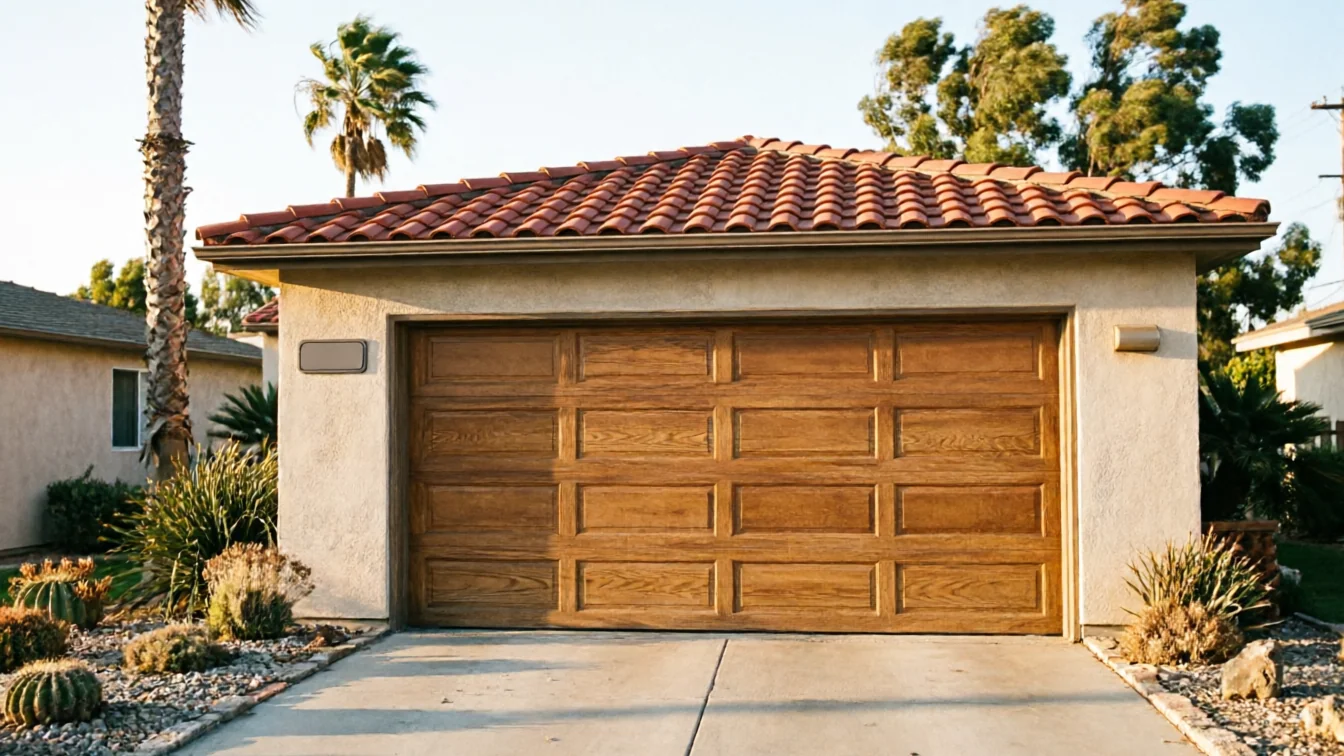
Detached or Attached: What Your Fullerton Garage Actually Needs
Fullerton's housing stock runs 1938-2012, median 1964, with most tract homes built attached.
Read guide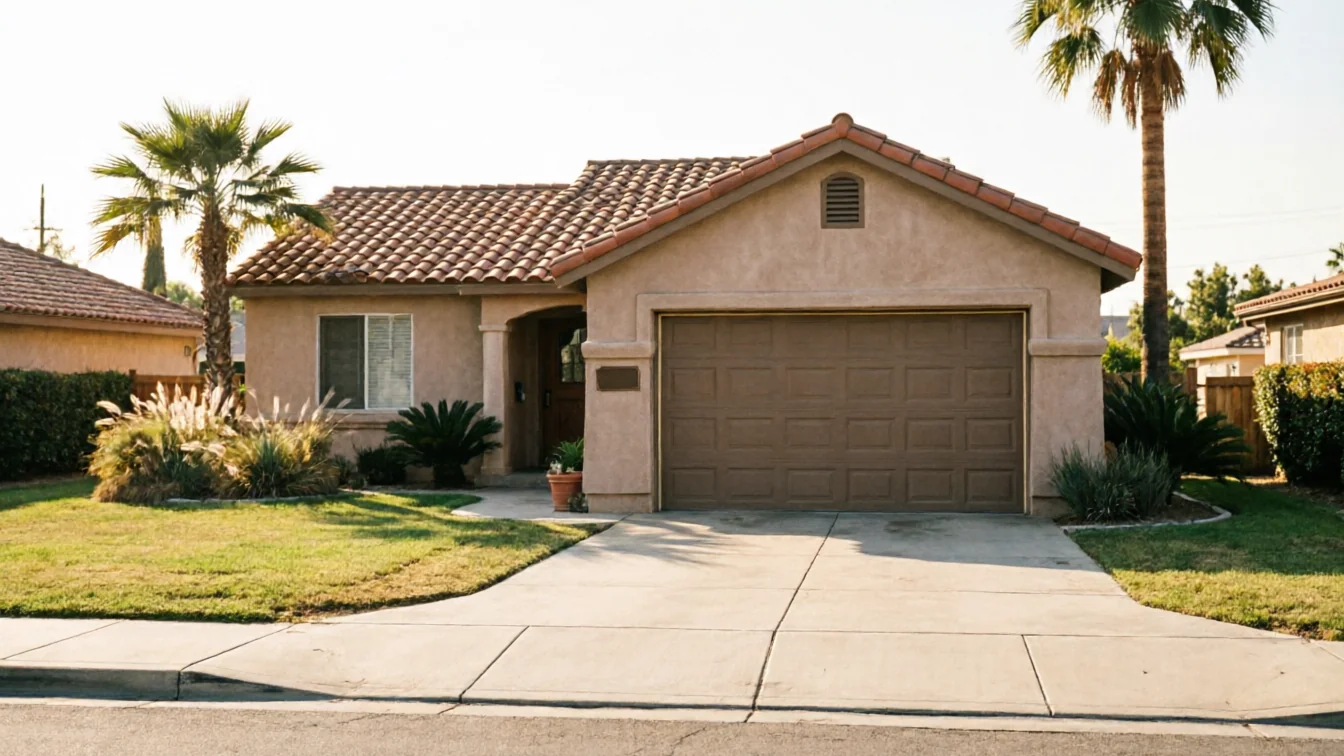
What a Replacement Garage Door Costs and Means in Fullerton
A look at replacement garage doors for Fullerton houses built mostly between 1938 and 2012, what the mild coastal climate does to doors, and when a repair stops making sense.
Read guide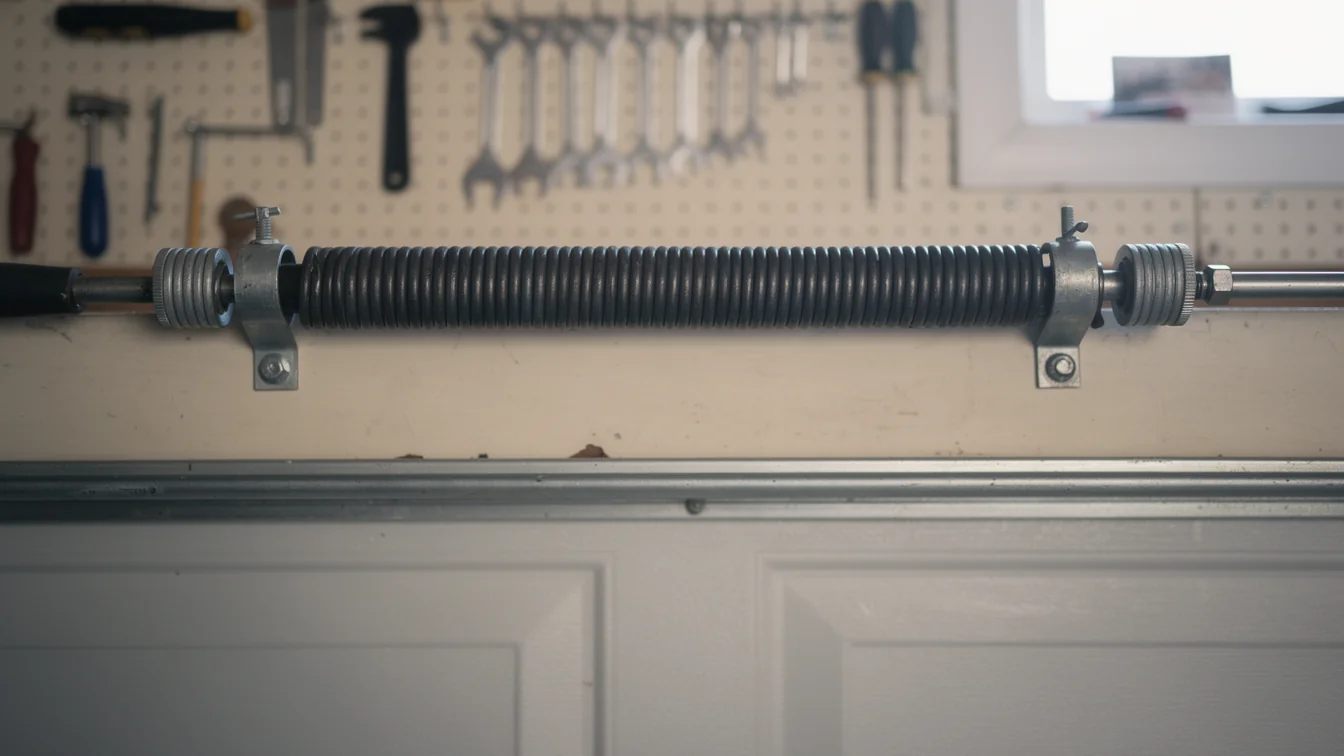
What Fullerton's 1960s Garage Wiring Means for Your Opener
Most Fullerton garages built in the 1960s and 1970s run retrofit openers on original wiring.
Read guideReady when you are
Need a garage door sorted in Fullerton?
Fullerton Garage Door Pros repairs and installs garage doors, springs and openers in Fullerton, CA and the surrounding area.