
Blog
Why Safety Sensors Drift on Fullerton Garage Doors
Fullerton homes built 1938-2012 settle and shift over decades. Here's why that moves your garage door's safety sensors out of alignment and what to do about it.
Season by Season
Fullerton sits in a mild temperate band, so you don't get the freeze-thaw cycles that crack slabs and yank brackets loose in a single winter. What you get instead is slower and sneakier. A concrete driveway apron or garage slab poured decades ago creeps a fraction of an inch a year as the ground beneath it settles. Most of that movement doesn't show up as a crack you'd notice - it shows up as a sensor bracket that's a hair lower or a hair more tilted than it was last year. Through spring and summer, the sun hits the sensor eyes on south- and west-facing garages hard enough that the plastic housing and the thin metal mounting arm expand slightly during the day and contract at night. Do that for twenty years and the screws holding the bracket work loose, even without a storm to blame. Fall and winter here don't bring the hard freezes that would snap a sensor wire outright, so if your door is misbehaving in December, it's rarely the cold itself - it's the same slow bracket creep that's been building all year finally tipping the alignment past what the opener will tolerate.
What Is Going On
A safety sensor pair only works if the two eyes point at each other dead-on, within a couple degrees. They don't need to move far to fail - a bracket that's shifted an eighth of an inch at the base can throw the beam off by inches by the time it crosses an 8 or 9-foot-wide door. In a city where most garages date to the 1960s and '70s, with some stock going back to 1938 and some additions as recent as 2012, you've got a wide spread of mounting situations: original wood door jambs that have shrunk and warped with age, later-model steel jambs added during a remodel, and everything between. Wood jambs are the usual suspect - wood moves with humidity and age in ways steel doesn't, and a sensor screwed into a jamb that's slightly cupped or twisted will drift even if nobody ever bumps it. Add in sprinklers, a broom handle, or a parked bike nudging the sensor housing over the years, and small, cumulative movement is almost always the real cause, not a sudden break.
When to Call Someone
If the door reverses before it touches the floor, or the opener light blinks a code pattern instead of running normally, that's the safety sensors telling the opener they can't see each other - realign them before you do anything else. You can try this yourself: loosen the wing nut or bracket screw, nudge the eye until the opener's indicator light goes solid, and retighten. If it won't hold alignment for more than a day or two, the bracket itself has probably worked loose at the jamb, and tightening the sensor won't fix a jamb that's splitting or a screw hole that's stripped. That's a call-someone job, not a DIY one - once the mounting surface has given out, you're re-anchoring into material that may not take a screw the same way twice. We don't recess sensors into masonry or stucco on the spot; that's a separate repair, not part of a standard sensor service call.
What the Weather Here Does to It
Fullerton's mild temperate climate is the reason sensor drift here tends to be gradual instead of dramatic. You're not dealing with ice splitting a bracket overnight or a hard freeze snapping a wire, the way a colder climate would. Instead it's daily heat cycling on sun-facing walls, slow slab settlement under houses built as far back as 1938, and jambs that have had sixty-plus years to move a little at a time. That means by the time a homeowner notices a problem, it's usually not one bad day - it's years of small shifts finally crossing the line where the opener's sensor logic says no. It also means prevention is simple and doesn't require weatherproofing against anything dramatic: a quick visual check that both eyes still point level and face each other, a few times a year, catches most of this before the door starts refusing to close.
Questions
Common questions
Why does my garage door only misbehave sometimes, not every time?
Partial drift. The sensors are close enough to see each other most of the time, but a stray reflection, a slight temperature-driven flex in the bracket, or morning glare through the garage can push it over the edge intermittently. That's a sign the alignment is near the edge of tolerance, not a sign of a wiring fault.
Can I just re-aim the sensors myself?
Yes, loosening the mounting screw and nudging the eye until the opener's indicator light goes solid is a normal homeowner task. If it won't hold alignment for more than a day or two, the jamb or bracket underneath has likely loosened, and that's worth a call.
Is this a Fullerton-specific problem or does it happen everywhere?
Sensor drift happens anywhere, but the cause here is tied to local housing stock - a lot of Fullerton garages date to the 1960s and '70s with wood jambs that have moved for decades, plus slab settlement under homes built as far back as 1938. The mild climate means it's gradual rather than storm-driven.
Do you install new sensor brackets into stucco or masonry?
That's not part of a standard sensor realignment call. If the original jamb or wood mounting surface has failed, anchoring into masonry or stucco is a separate repair we'd need to scope separately.
Recommendation
You Might Also Like
More garage door guides for Fullerton homeowners.
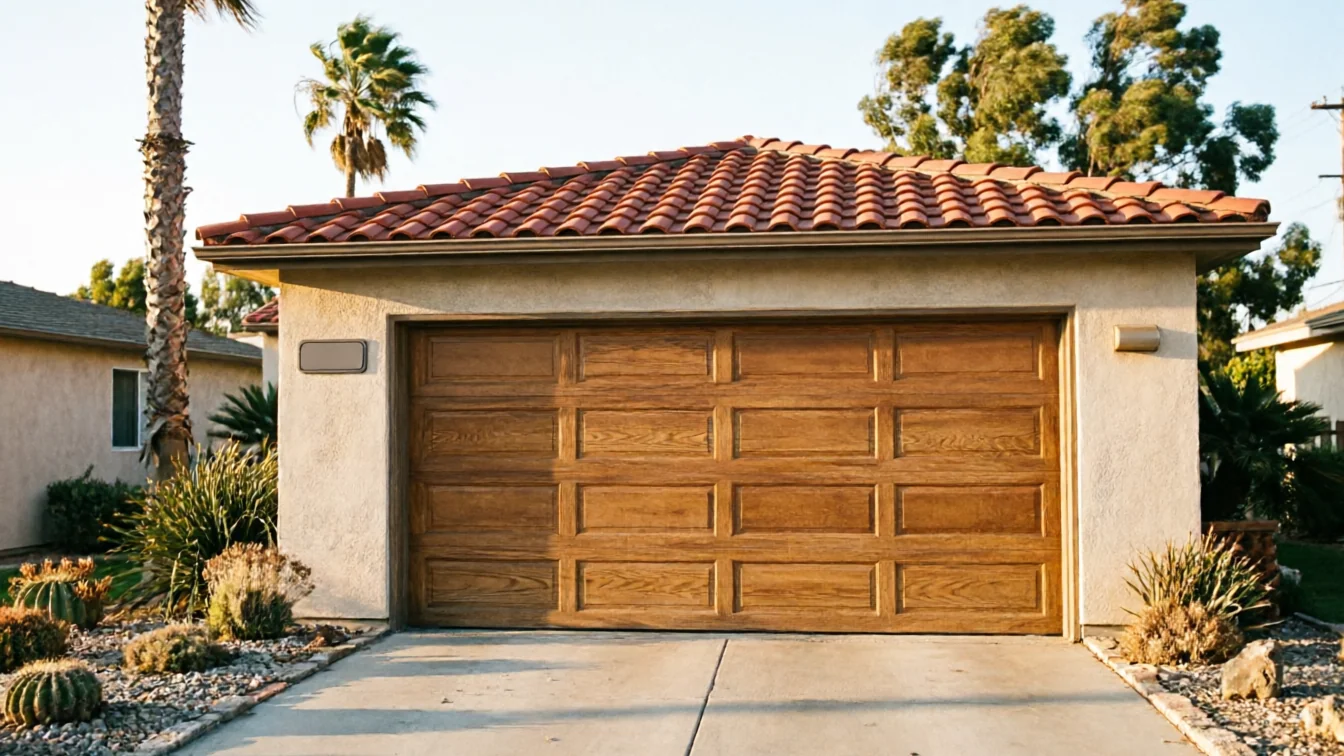
Detached or Attached: What Your Fullerton Garage Actually Needs
Fullerton's housing stock runs 1938-2012, median 1964, with most tract homes built attached.
Read guide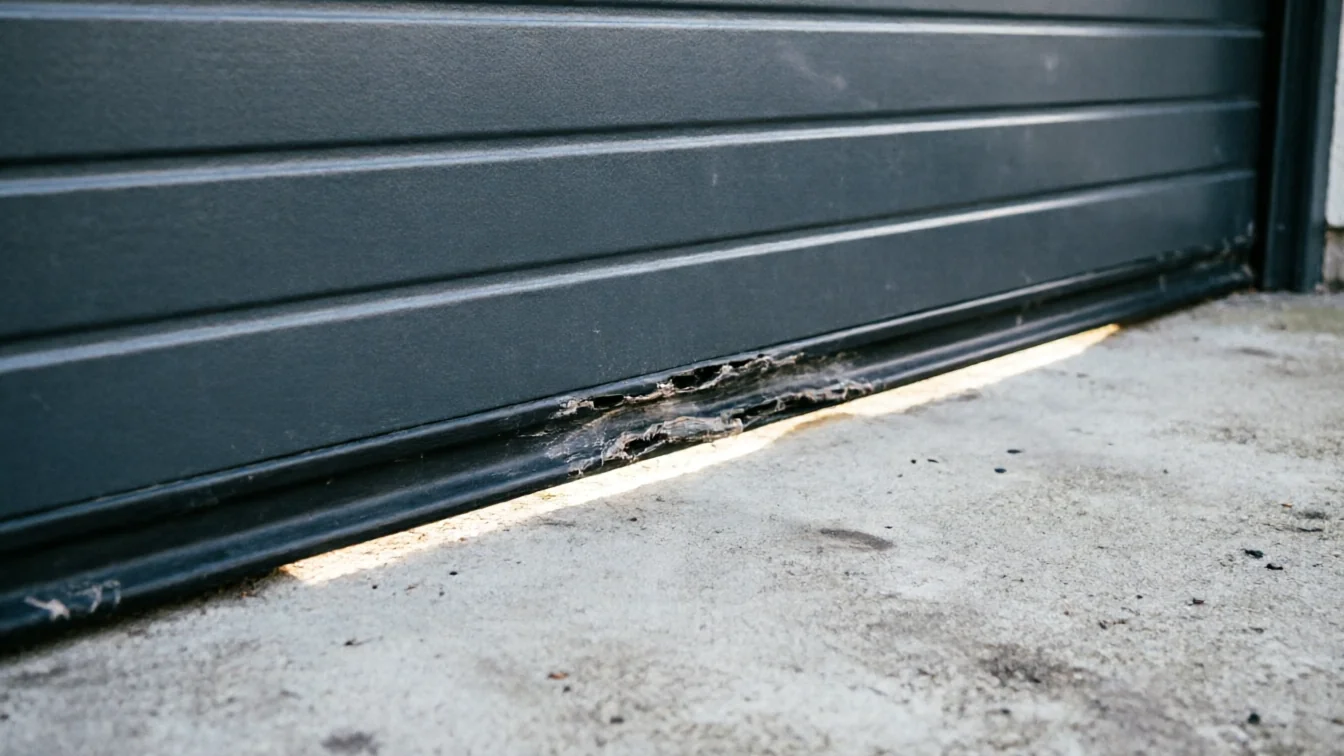
When a Spring Goes in Cold Weather Here in Fullerton
Fullerton homes built mostly in the 1960s and 70s carry original torsion springs that fatigue and snap on cold mornings here.
Read guide
Weather Seals and Draughts in Fullerton Garages
Fullerton homes built 1938-1964 often have worn or missing door seals.
Read guideReady when you are
Need a garage door sorted in Fullerton?
Fullerton Garage Door Pros repairs and installs garage doors, springs and openers in Fullerton, CA and the surrounding area.