Blog
What a Replacement Garage Door Costs and Means in Fullerton
A look at replacement garage doors for Fullerton houses built mostly between 1938 and 2012, what the mild coastal climate does to doors, and when a repair stops making sense.
Season by Season
Fullerton doesn't get the freeze-thaw cycles that crack concrete slabs or swell wood jambs somewhere colder. The climate here sits in the mild temperate band, so you're not fighting ice on the track in January or a door that won't seal in August heat. That evenness is the whole argument for a plain steel or aluminum door over anything exotic - you don't need the insulation package a house in a harsher climate would want.\n\nWhat changes season to season here is sun exposure, not temperature swing. A south or west-facing door bakes for months at a time, and over a decade or two that UV load fades paint and can warp cheaper composite panels at the edges. If your door faces that direction, that's the one variable worth asking about before you pick a finish.\n\nMedian household income across the service area sits at $96,041, and we see that reflected in what people choose - more owners here are willing to pay for a steel door with a baked enamel finish or a wood-look overlay than for the bare builder-grade panel, because they're planning to keep the house a while and don't want to redo it in five years.
What Is Going On
Housing stock across this part of the county runs from 1938 up through 2012, with a median build year around 1964, and most of it - across the roughly 76 named areas in the service territory - is 1960s and 70s construction. That matters directly for door replacement: a house from that era usually has the original rough opening sized for a single steel panel door on a basic extension or torsion spring, not the wider double-wide openings you see in anything built after 2000.\n\nIf your house falls in that mid-century band, the replacement conversation usually isn't about the door itself - it's about whether the existing track and header can take a heavier insulated door, or whether the opener bracket needs to move. We see this constantly on houses from that stretch: the door fails, but the bones underneath are older than the door and need a look too.\n\nNewer construction toward the later end of that range - into the 1990s and 2000s - tends to already have the wider opening and a header built for it, so swapping in a modern door is more straightforward, less retrofit.
When to Call Someone
Call before the door fails completely if you're already seeing daylight through the bottom seal on a one-piece or older sectional door, rust starting at the bottom panel, or an opener straining audibly to lift a door that used to go up quiet. Those are signs the door is at the end of a run that, on houses built in the 1960s and 70s common to this area, is now well past fifty years for anything original.\n\nWe don't do custom wood carriage doors built to order - that's a specialty shop's work, and we'll say so rather than quote something we'd have to farm out. What we do handle is steel and composite replacement doors sized to the openings common in this area's housing stock, on the hardware those houses actually have.\n\nIf a spring snaps, that's not a buy-a-new-door moment by itself - a torsion spring swap on an otherwise sound door is a repair, not a replacement job, and we'll tell you that on the phone rather than talk you into more than the door needs.
What the Weather Here Does to It
The mild temperate climate means the structural stress other regions put on a garage door - ice buildup on the track, wood swelling with humidity swings, a slab heaving with frost - mostly isn't a factor here. That's the honest upside: doors in this area fail from age and use, not from weather abuse.\n\nWhat does wear a door down is steady sun. A door on a south or west exposure gets consistent UV for years running, and on the older steel doors common across this 1960s-and-70s housing stock, that shows up as chalking paint and, eventually, panel warp at the seams where the finish gave out first. It's slower than what a harsher climate does, but it adds up over the decades this housing has already been standing.\n\nThe practical result: when we talk replacement finish and material here, we're weighing sun exposure and how long you plan to stay, not insulation against cold - because cold isn't the thing working against the door in this climate.
Questions
Common questions
How old does a garage door usually get before it needs replacing in Fullerton?
It depends more on sun exposure and use than age alone, but on the 1960s and 70s housing common here, original doors are now past the fifty-year mark. At that point rust, panel warp, and worn hardware usually make replacement cheaper over time than repeated repair.
Do older Fullerton houses need a wider opening for a modern door?
Often yes. Houses built mid-century in this area typically have a single-panel opening sized for the door that came with the house, not the wider double openings common in construction from the 1990s onward. We check the rough opening and header before quoting a replacement.
Does the climate here affect what door material I should buy?
Less than in colder regions. The mild temperate climate means you're not fighting freeze-thaw damage or humidity swelling, so insulation matters less than finish durability against sun exposure, especially on south- or west-facing doors.
Recommendation
You Might Also Like
More garage door guides for Fullerton homeowners.
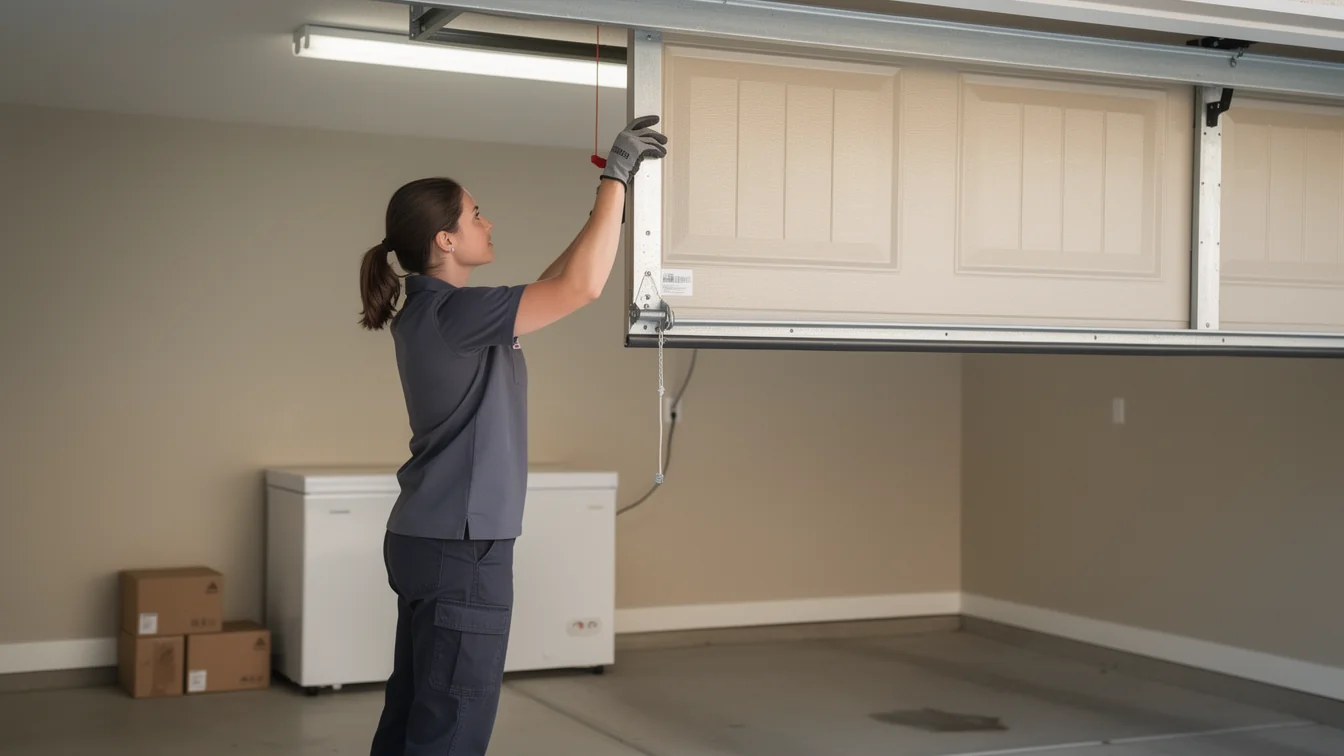
Fullerton Garage Doors: Repair or Replace
A Fullerton homeowner's guide to knowing when a garage door repair stops making sense, based on this area's 1960s housing stock and mild coastal climate.
Read guide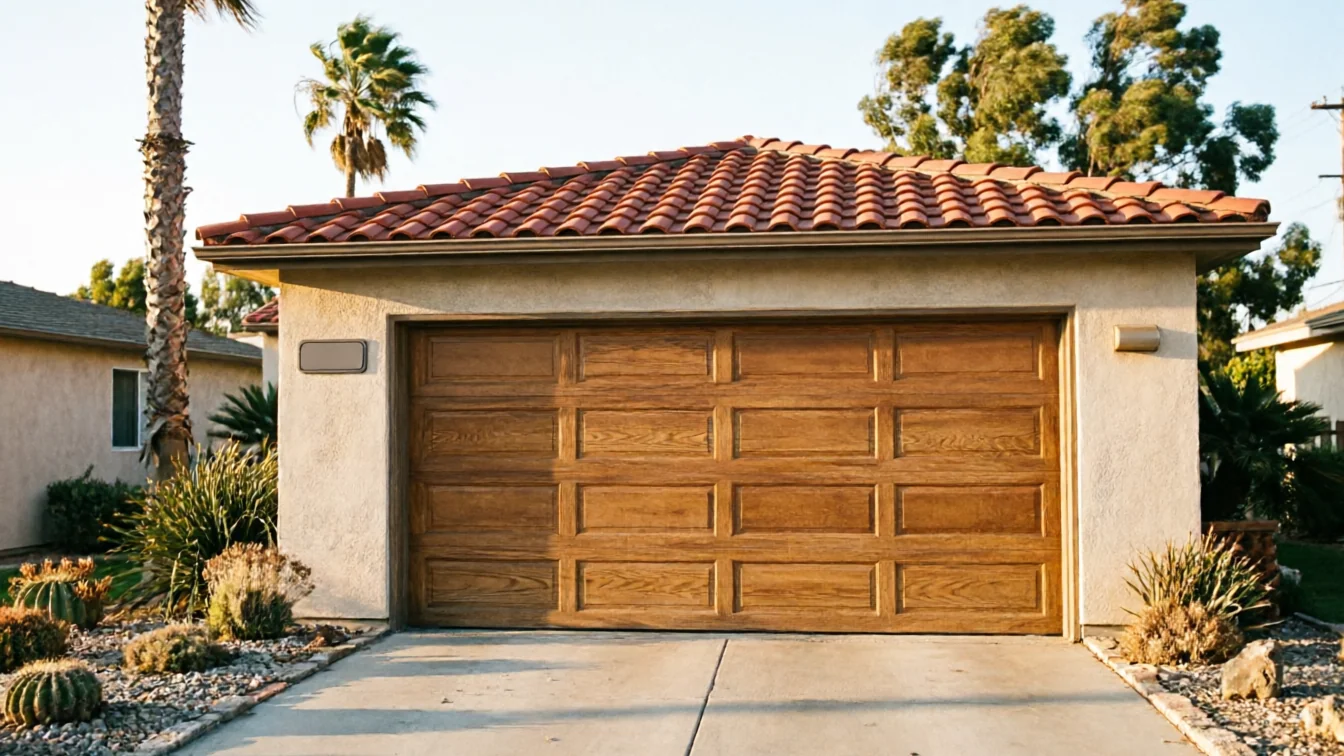
Weather Seals and Draughts in Fullerton Garages
Fullerton homes built 1938-1964 often have worn or missing door seals.
Read guide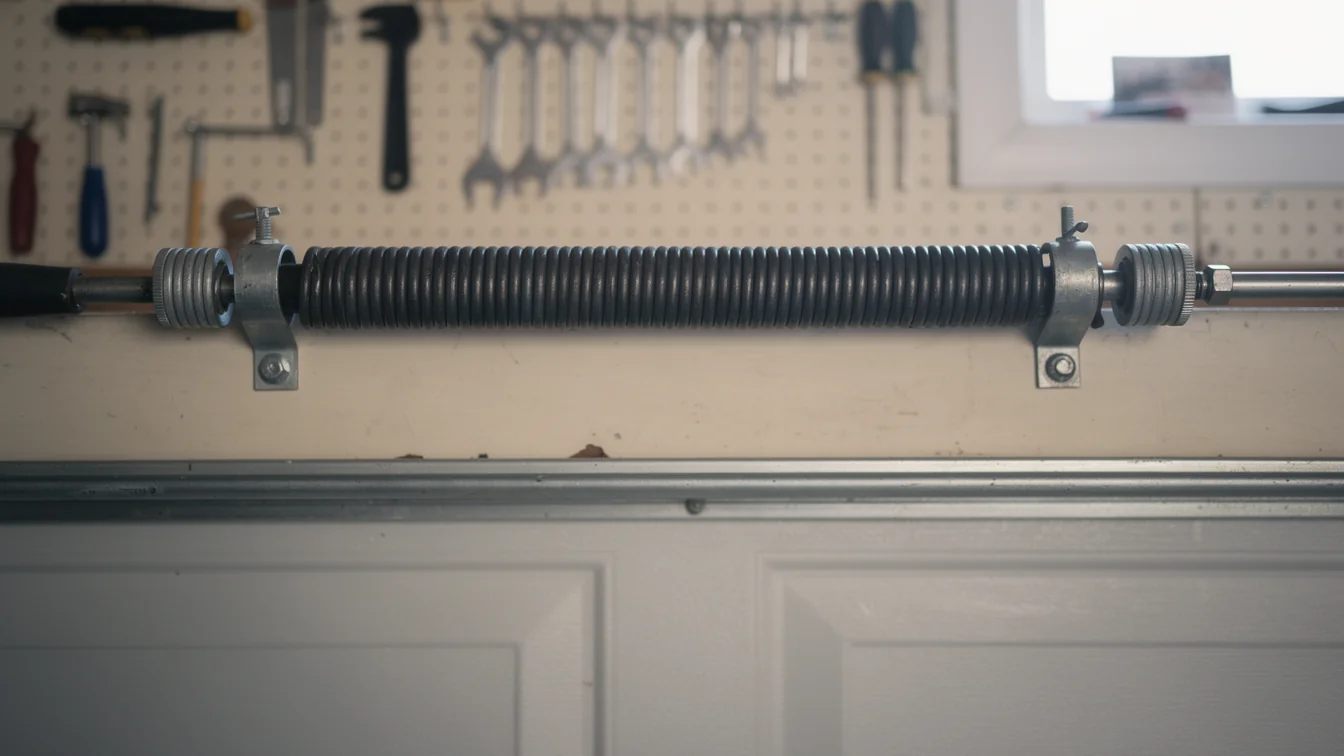
What a Technician Checks First on a Fullerton Garage Door
A Fullerton technician's first stops on a service call, tied to this city's 1960s-70s housing stock and mild coastal-inland climate swings.
Read guideReady when you are
Need a garage door sorted in Fullerton?
Fullerton Garage Door Pros repairs and installs garage doors, springs and openers in Fullerton, CA and the surrounding area.