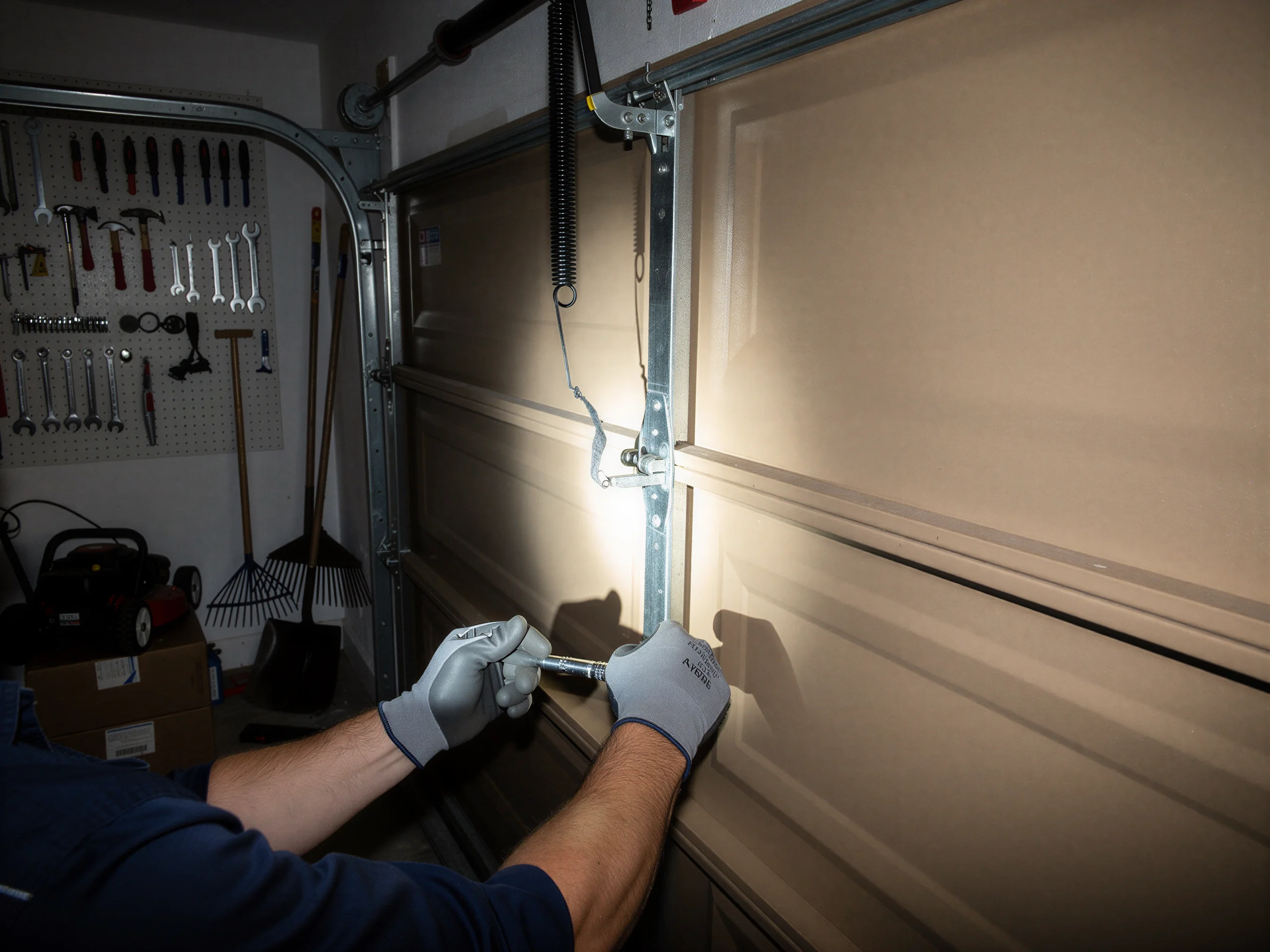
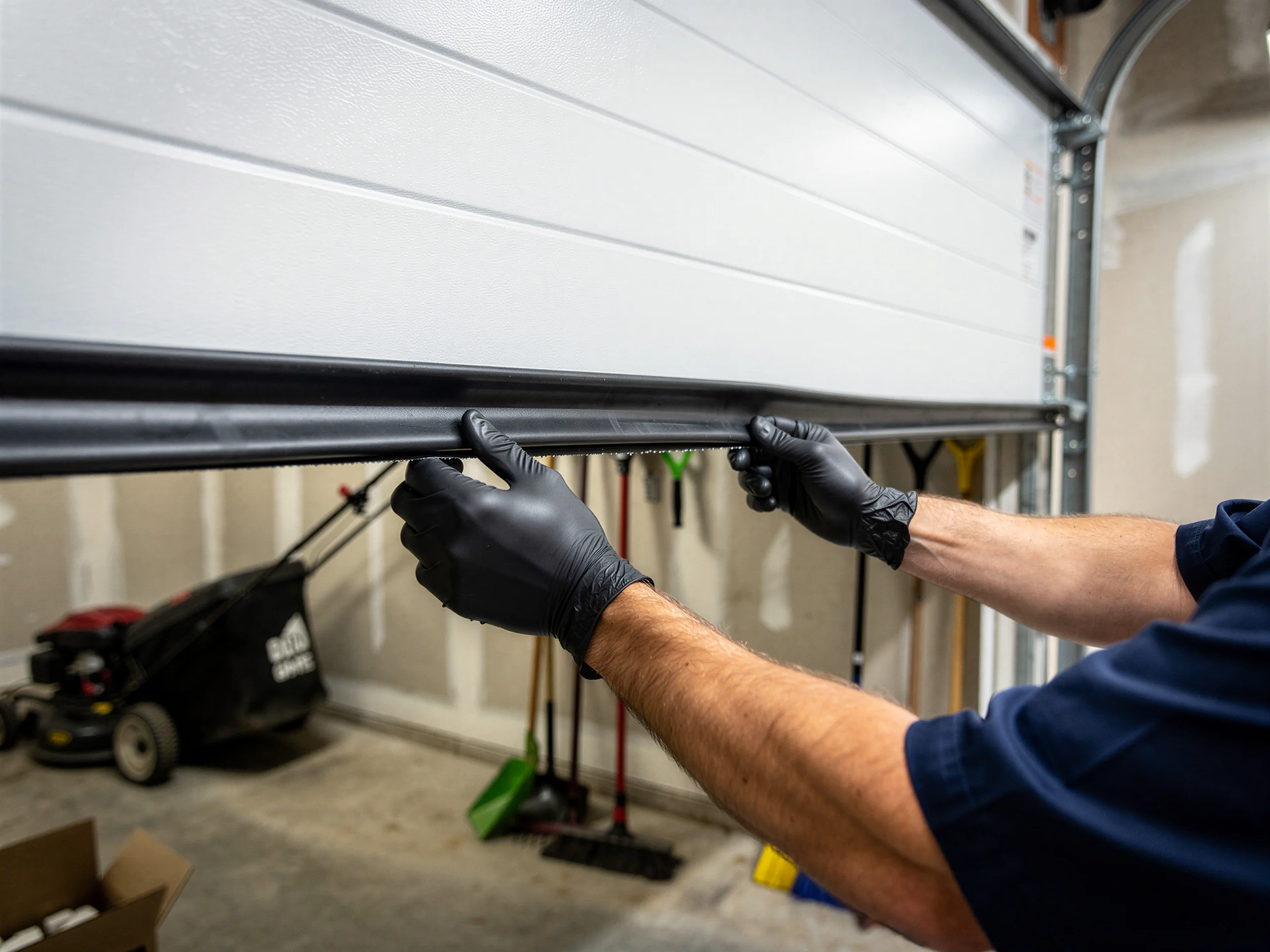
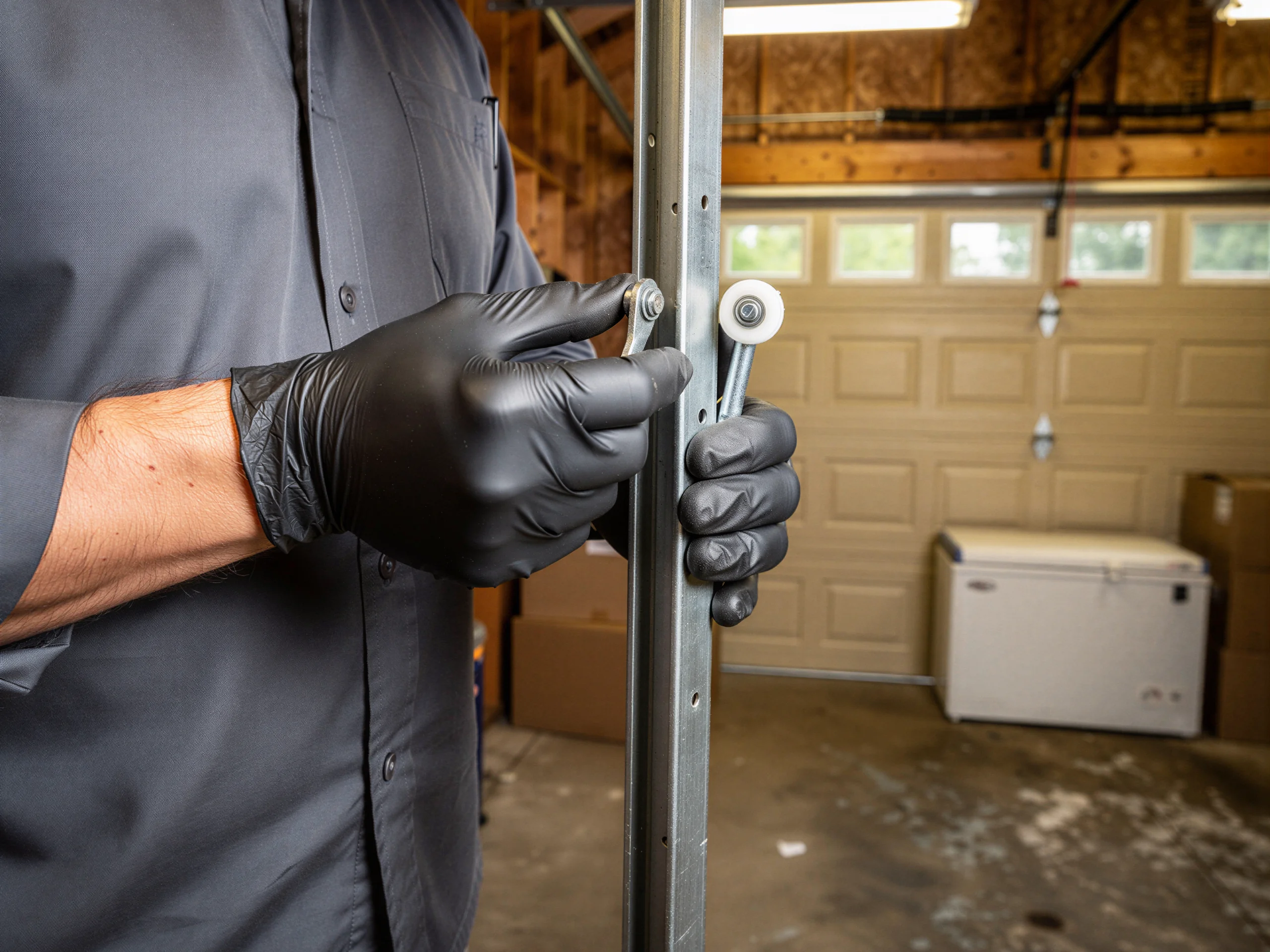
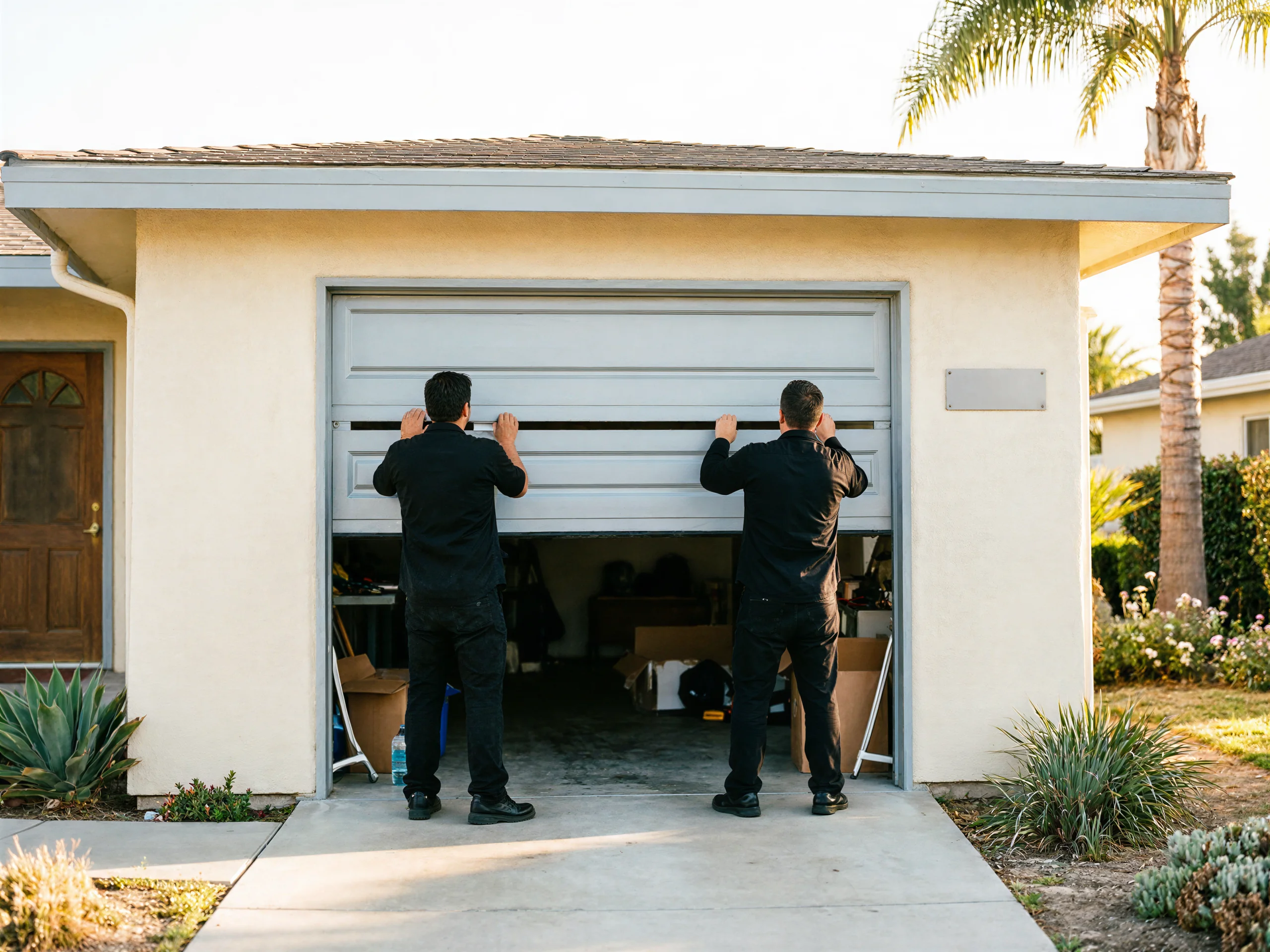
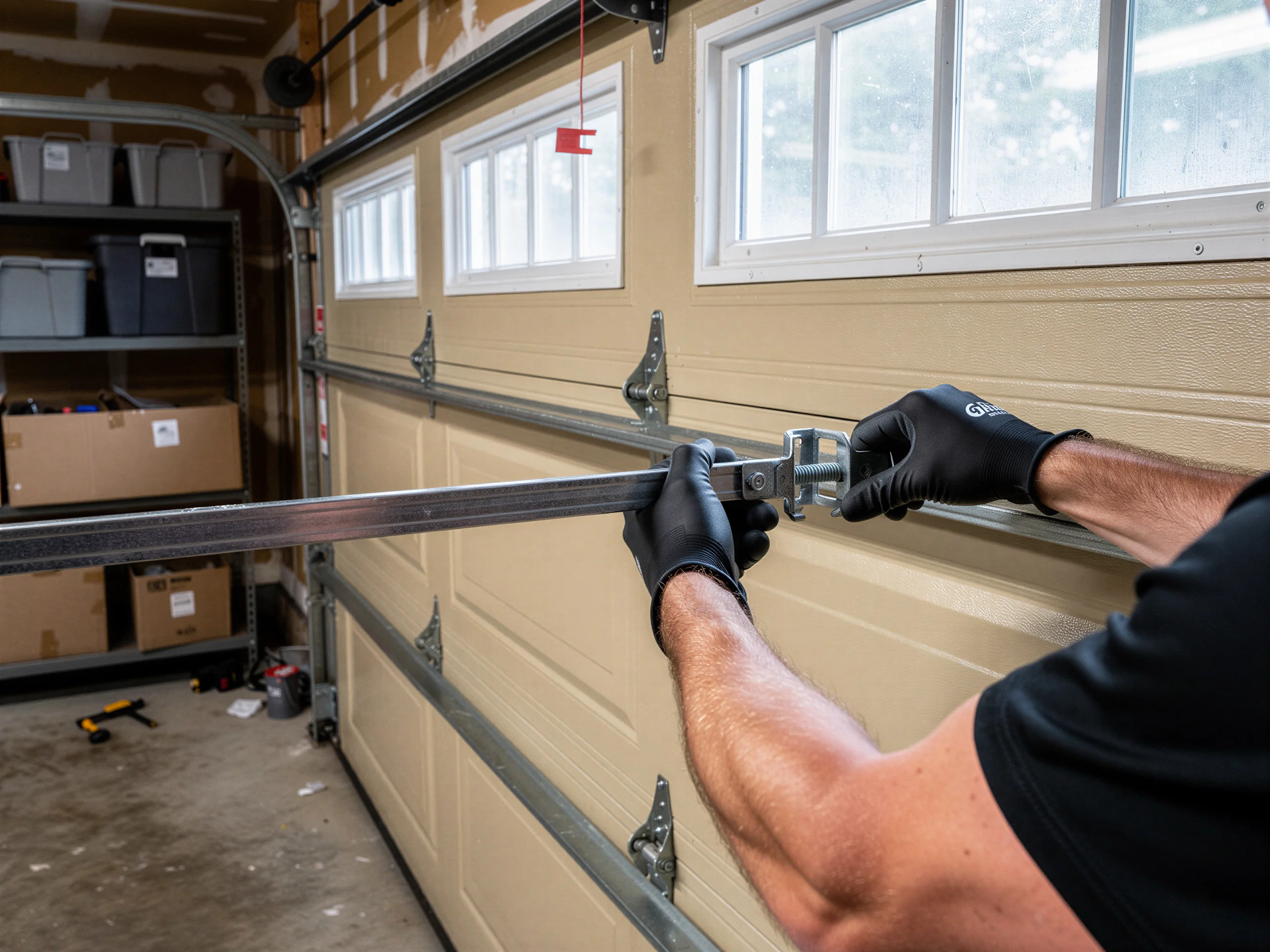
This area's housing stock runs from 1938 up through 2012, with a lot of it concentrated in the 1960s and 70s across the roughly 76 named communities we cover. That age spread matters for panels specifically: steel and composite panel materials degrade differently depending on when they were made, and a door built in the 1960s wasn't engineered with the same corrosion coatings or UV-stable finishes you'd find in a 2000s install.
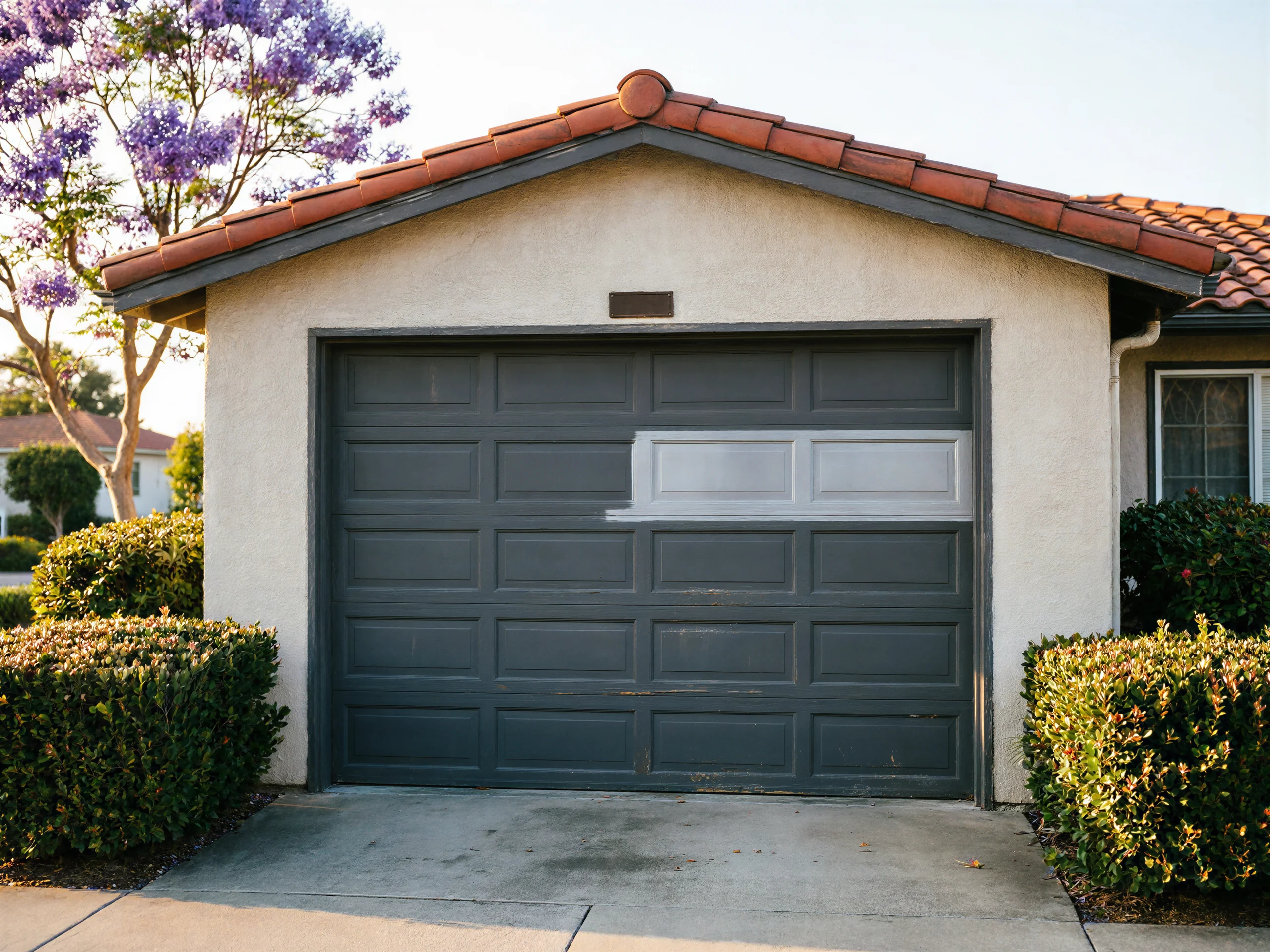
The mild temperate climate here isn't hard on doors the way freeze-thaw cycles or heavy humidity are elsewhere, so you won't see the cracking and swelling that shortens panel life in harsher climates. But mild doesn't mean zero - steady sun exposure on south and west-facing driveways still bakes paint and composite panels over decades, and that slow fade and brittleness is why a panel that's taken one minor hit from a bumper or a basketball can crease or crack rather than just dent and bounce back.
With 367,768 owner-occupied houses across this service area and a median household income of $96,041, we see plenty of homeowners choosing a targeted panel repair over a full door replacement, because the rest of the door - opener, track, spring - is often still sound.