
Blog
Weather Seals and Draughts in Fullerton Garages
Fullerton homes built 1938-1964 often have worn or missing door seals. See what the mild Fullerton climate does to your garage door and when to call for a seal fix.
Season by Season
Fullerton doesn't get the swings that chew up a door seal the way a harsher climate would. The mild temperate band this whole service area sits in means you're not dealing with freeze-thaw cracking or snow load on the track. But mild doesn't mean nothing happens. Summer sun on a west-facing door, common on the streets running toward La Habra and Placentia, bakes the rubber bottom seal until it goes stiff and starts pulling away from the panel. Winter here brings damp mornings more than cold ones, and that moisture finds its way through any gap the sun already opened up. Spring is when most owners notice it - a strip of daylight under the door, or a draft across the garage floor that wasn't there last year. The seal doesn't fail all at once. It shrinks a little each season until one day it's just gone, and you're left wondering why the floor near the door is always slightly damp or dusty depending on the week.
What Is Going On
A big share of the houses in Fullerton and the nearby named areas went up in the 1960s and '70s, with the broader stock running from 1938 to 2012 and a median build year of 1964. That matters here because a door that old, or a door that's been replaced once but still sits on the original jamb, often has a seal track that's warped, painted over, or simply the wrong width for what's sold today. On a lot of these older garages the bottom seal sits in a thin aluminum retainer that was fine in 1964 but has since bent, rusted at the corners, or pulled loose from the slab. That's why a new seal strip sometimes won't seat right even after you buy the correct size - the track itself needs attention first, not just the rubber. On newer builds, closer to the 2012 end of that range, the seal problem is usually simpler: the rubber has just worn out and needs swapping, no track work involved.
When to Call Someone
If the gap under your door is uneven - wider on one side than the other - that's not a seal problem, that's the door out of level, and a new seal strip won't fix it. Call someone for that. If the draft is coming from the sides or top of the door rather than the bottom, check the weatherstripping on the jambs before you assume it's the bottom seal; those are two different fixes and two different parts. Honest limitation: we don't stock every seal track size for the older aluminum-frame garages from the 1960s stock common around here, and a bent or rusted track sometimes needs a special order. If that's your situation, we'll tell you upfront rather than force a seal that won't hold. For a straightforward bottom-seal swap on a standard track, that's a same-visit job.
What the Weather Here Does to It
Because Fullerton sits in a mild temperate band, the seal damage here isn't dramatic - it's slow. UV from sun exposure does more work on the rubber than temperature swings do, which is why south- and west-facing doors wear out their bottom seal faster than north-facing ones on the same street. Dew and the occasional damp spell add a second, quieter problem: moisture gets into a cracked seal and starts softening the wood or metal panel edge behind it, especially on doors from the earlier end of that 1938-2012 build range. You won't see the kind of ice-split seals that colder climates deal with, but you will see seals that have gone brittle and crumble when you flex them. That brittleness is your sign it's past time to replace, not patch, the strip.
Questions
Common questions
Why does my garage door let in a draft only in the afternoon?
That's usually sun exposure expanding the metal panel slightly while the seal underneath has already shrunk from UV damage over time. West- and south-facing doors around Fullerton see this more than shaded ones. The gap often closes a bit once the panel cools in the evening, which is why it's easy to miss until you check at the wrong hour.
Is a draft under the door actually worth fixing?
Yes, especially if the garage shares a wall with living space. A worn seal lets in dust, moisture, and the odd pest along with the draft. On the older seal tracks common in Fullerton's 1960s-era housing, fixing it early is cheaper than waiting until the track itself has rusted or bent.
Can I replace the seal myself?
On a standard bottom track, yes - it's a straightforward pull-and-replace job with the right size strip. On the older aluminum tracks found on a lot of Fullerton's 1960s and '70s garages, the track itself is sometimes bent or seized, and that part is worth having someone look at before you buy rubber that won't seat.
Recommendation
You Might Also Like
More garage door guides for Fullerton homeowners.
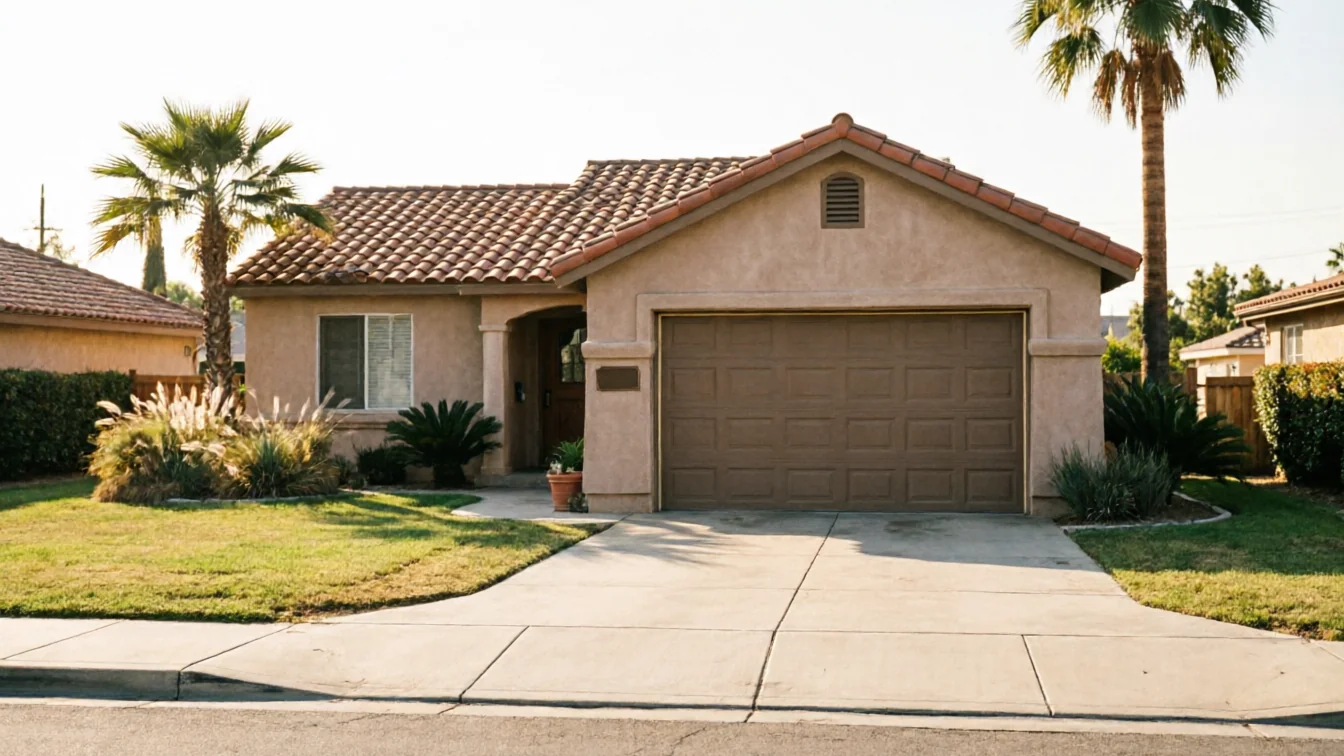
What a Replacement Garage Door Costs and Means in Fullerton
A look at replacement garage doors for Fullerton houses built mostly between 1938 and 2012, what the mild coastal climate does to doors, and when a repair stops making sense.
Read guide
What Fullerton's 1960s Garage Wiring Means for Your Opener
Most Fullerton garages built in the 1960s and 1970s run retrofit openers on original wiring.
Read guide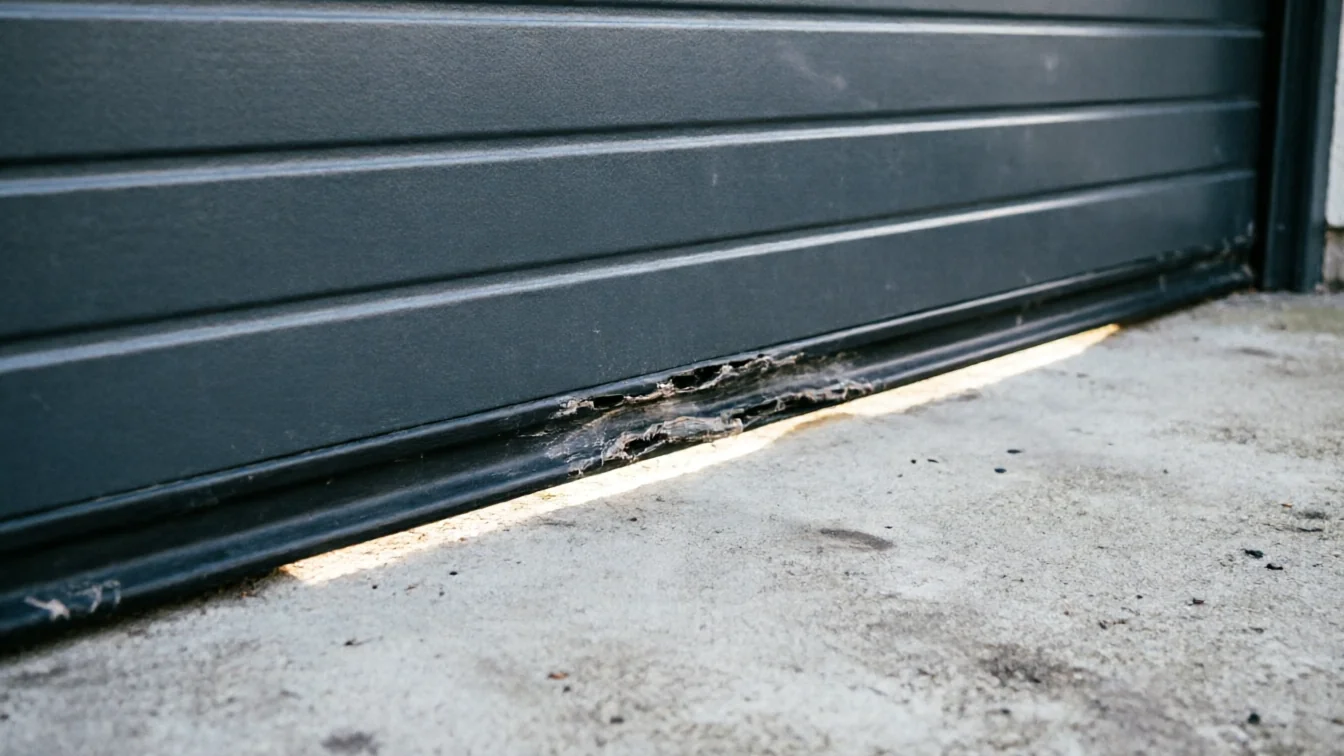
When a Spring Goes in Cold Weather Here in Fullerton
Fullerton homes built mostly in the 1960s and 70s carry original torsion springs that fatigue and snap on cold mornings here.
Read guideReady when you are
Need a garage door sorted in Fullerton?
Fullerton Garage Door Pros repairs and installs garage doors, springs and openers in Fullerton, CA and the surrounding area.