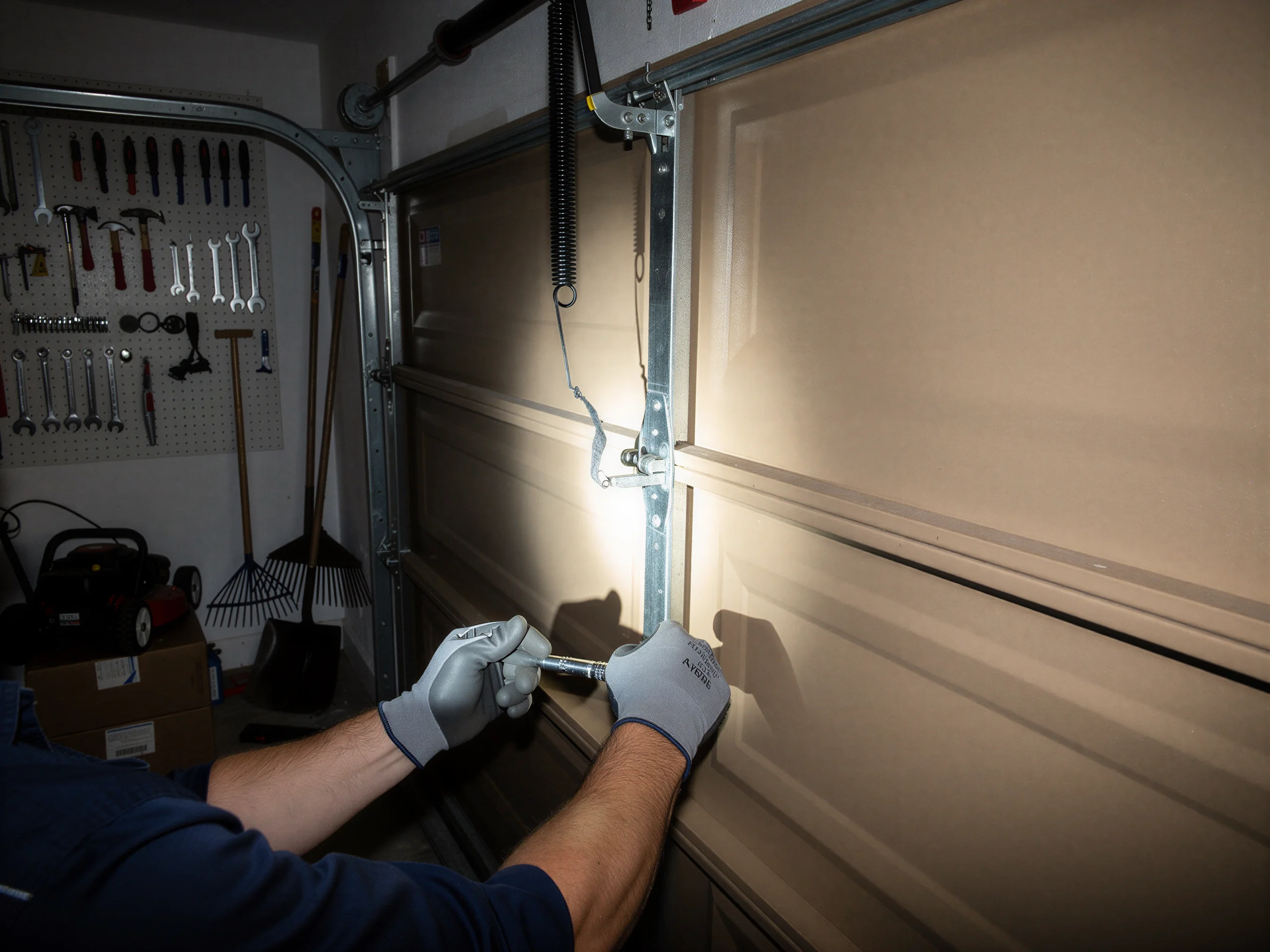
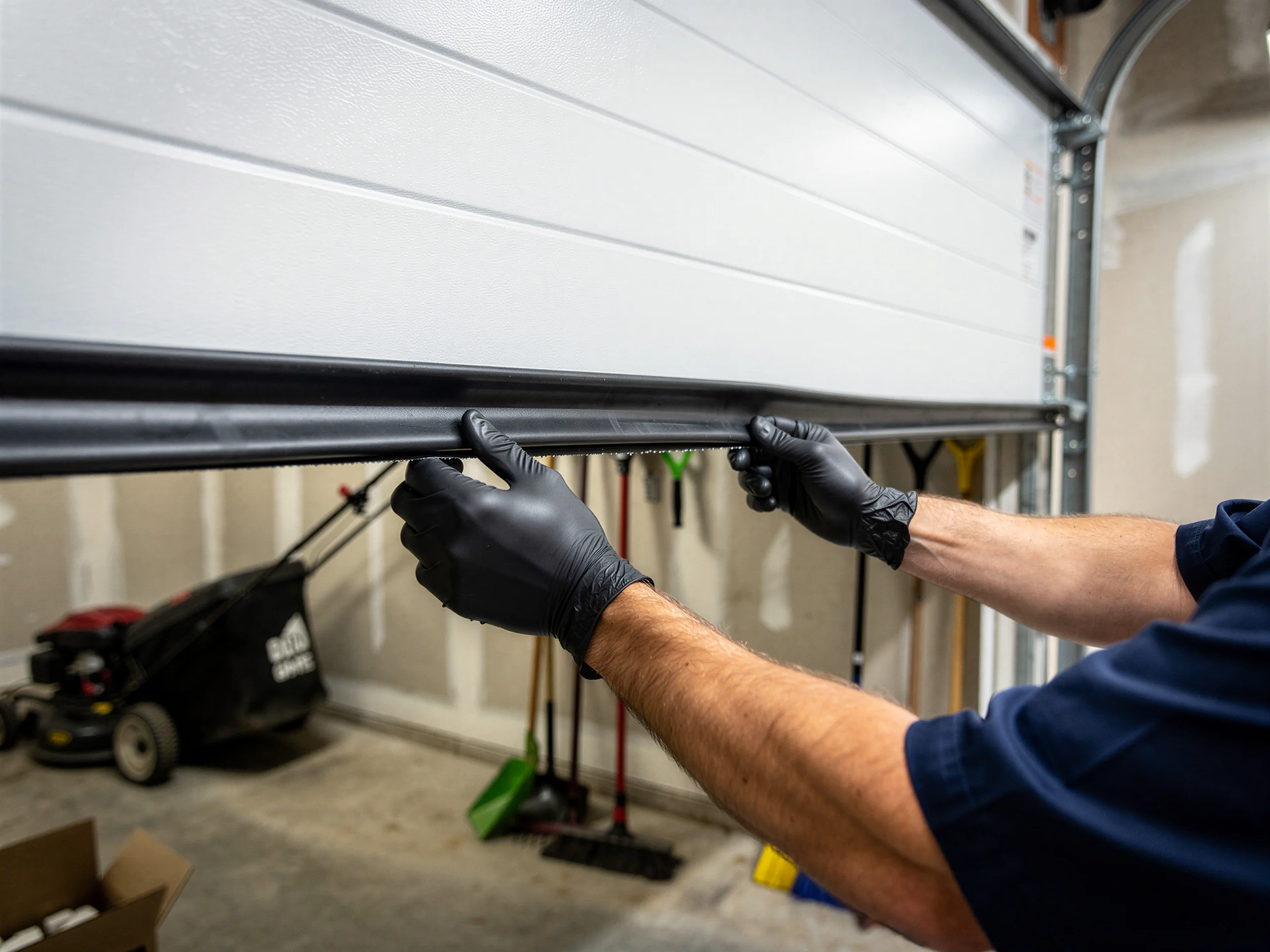
Housing across this service area ranges from 1938 to 2012, with the median home dating to 1964, and most of the stock sitting squarely in the 1960s and 70s build era. That matters for garage doors because springs, cables, and openers all have a finite number of open-close cycles before they fail, and a door installed or last replaced decades ago is simply closer to the end of that count than a newer one.
The area's mild temperate climate changes what kind of failure you see, not whether failures happen. There's no deep freeze cracking seals or heavy snow load stressing a track the way you'd get in a harsher climate, so when something lets go here it's almost always plain fatigue - metal fatigue in a spring, fraying in a cable, wear in a roller - rather than weather damage. That's actually useful information for us: it narrows down what we're looking for before we even open the garage.
With 367,768 owner-occupied houses across the area we serve, a large share of them built in that same mid-century window, we see the same handful of failure modes repeat constantly - it's less about bad luck on any one house and more about a lot of hardware reaching the same age at the same time.