
Garage untouched for decades
That still means a lot of homes are pushing fifty years old, and the garage is usually the one part of the house nobody's touched since the original builder installed it.
Placentia, Fullerton
Placentia homes built mostly in the mid-1970s still run on original track and hardware. Fullerton Garage Door Pros installs new doors sized for that era's openings.
DIY or pro
Placentia's housing stock centers on a 1976 median build year, which puts most garages here a full decade newer than the older pockets closer to Fullerton proper.
That still means a lot of homes are pushing fifty years old, and the garage is usually the one part of the house nobody's touched since the original builder installed it.
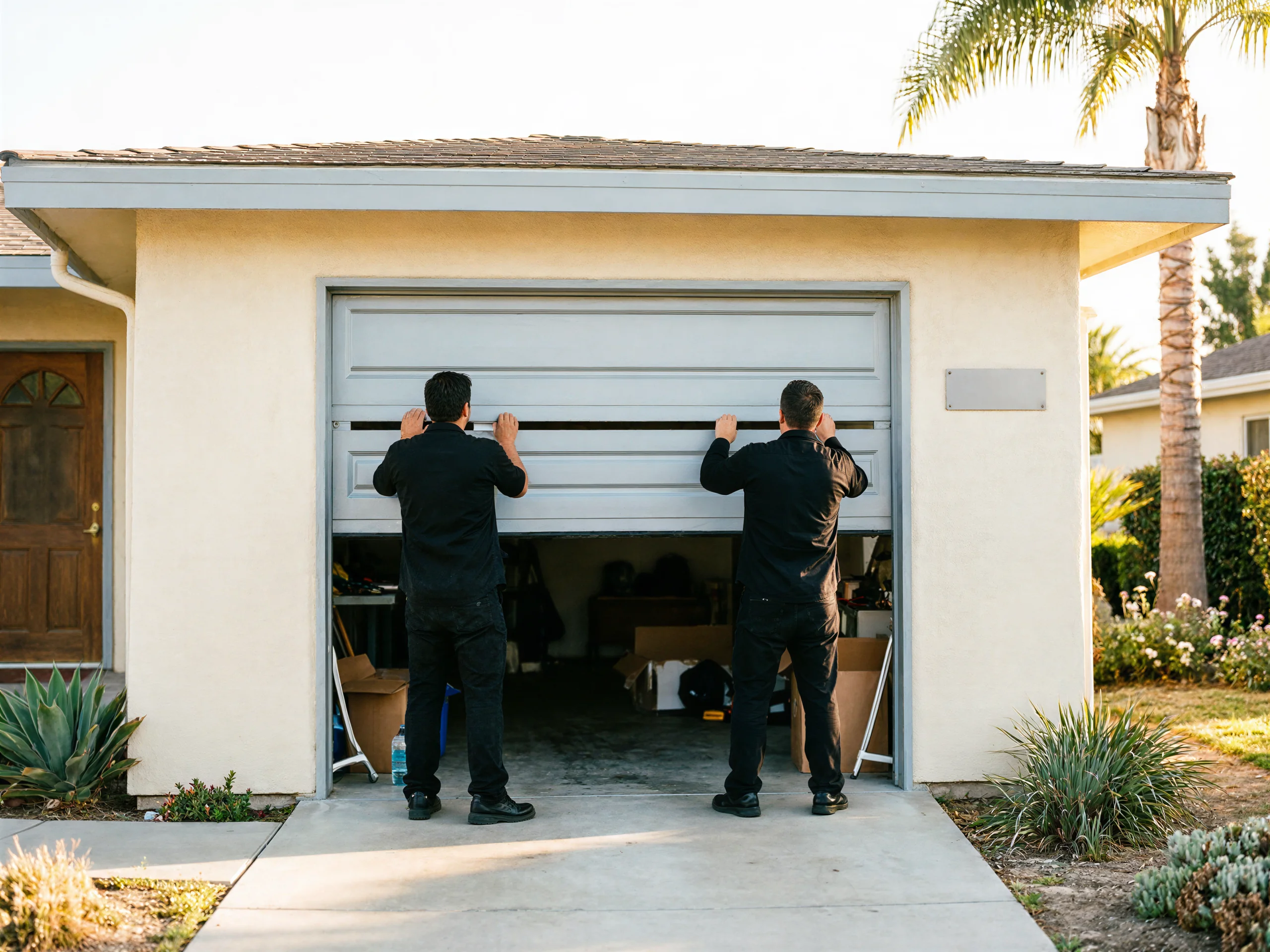
If your door, track, and hardware all look original, a DIY swap gets complicated fast: 1970s openings sometimes run slightly off today's standard width, the wall brackets may be nailed rather than lagged, and old torsion anchor plates aren't always rated for a heavier insulated door.
You can measure your own opening and shop sizes online, but matching a new door to a 50-year-old frame is where people get stuck. We'd rather you call before you buy a door that won't fit the track you have, than after. One limitation worth saying plainly: we don't install doors we haven't measured for in person, because a bad fit on an old frame causes callbacks nobody wants.
Our process
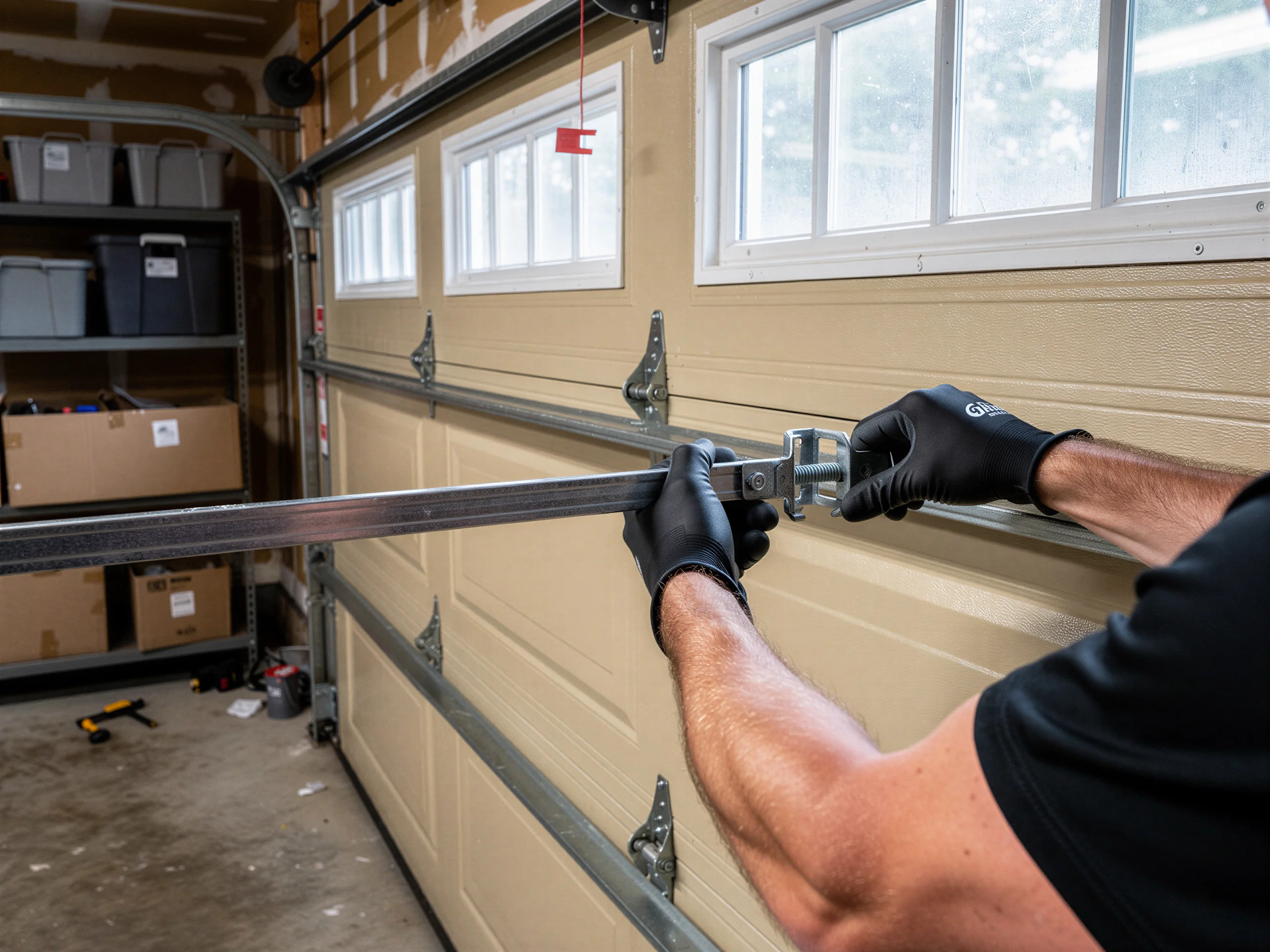
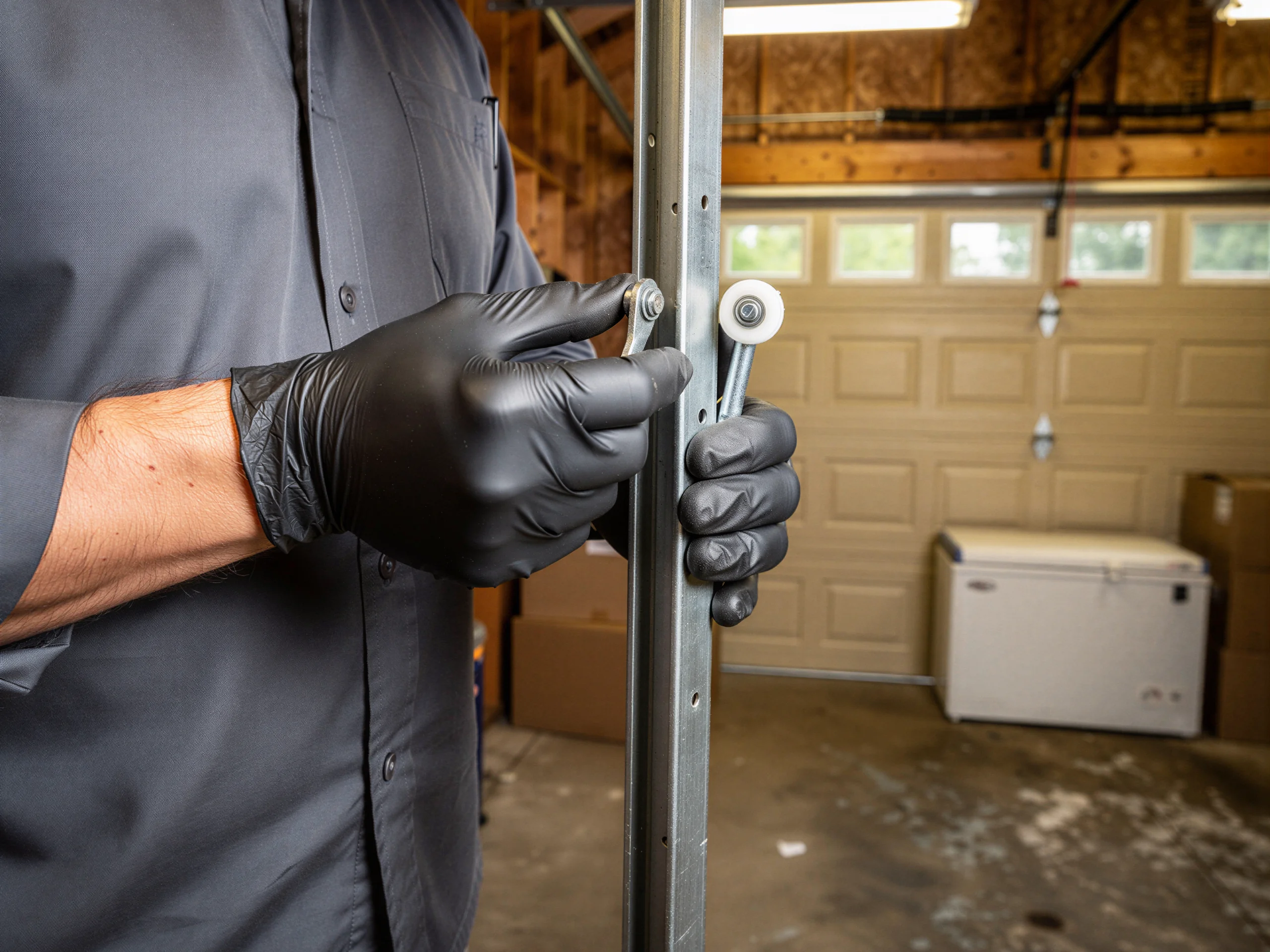
We come out from Fullerton, about 4 miles away, and start by checking what's actually original versus what's been swapped over the years - often the opener's newer than the door, or the springs were replaced once but the track and rollers never were.
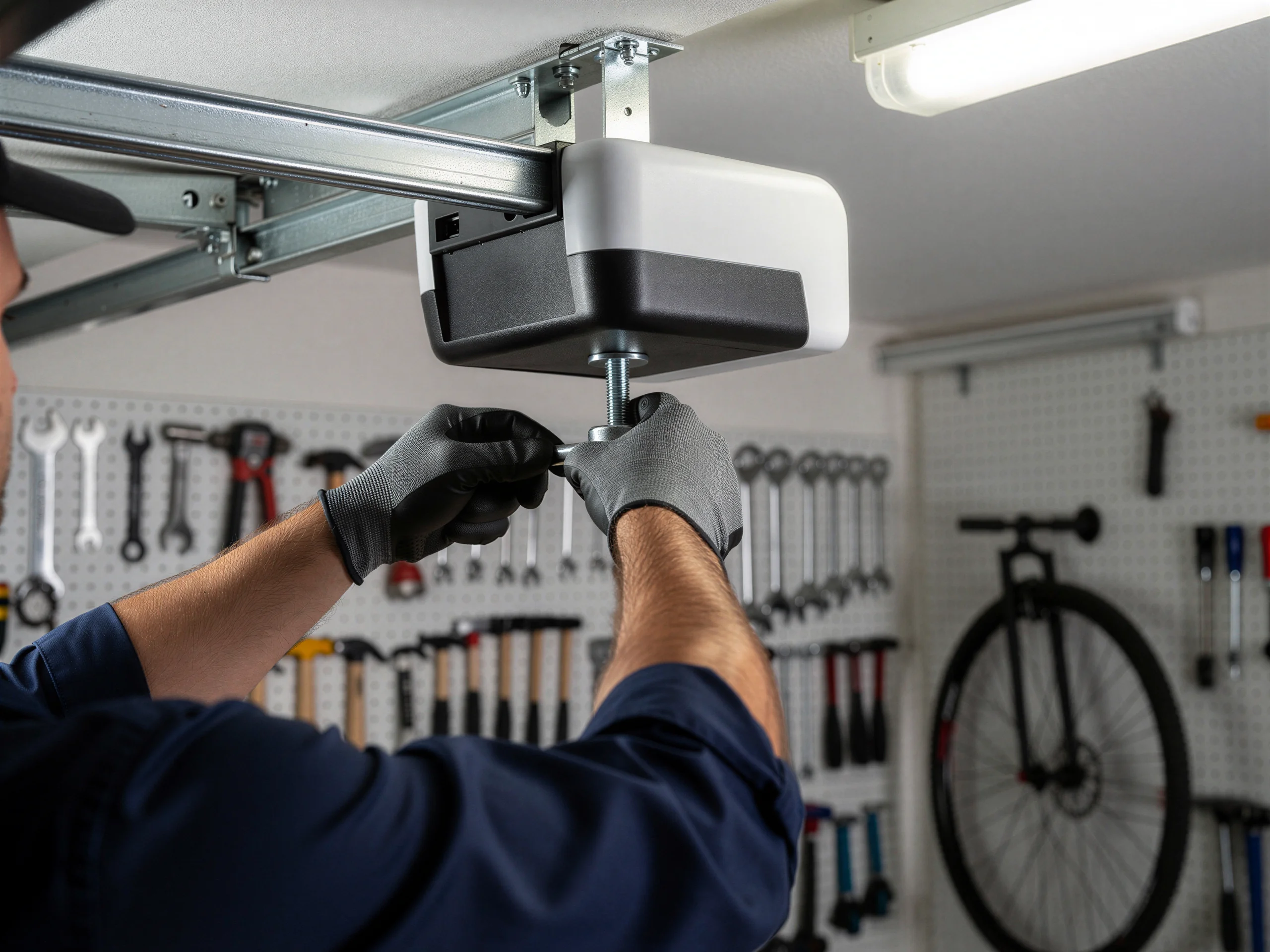
From there we size the new door to the existing framing, upgrade the track and hardware to match current spring and cable ratings, and set the opener to current safety standards if the old one's staying or being replaced too.
Placentia sits in the same mild temperate band as the rest of the area, so we're not building in extreme heat or cold cycling - that keeps the install straightforward and means we're not over-speccing materials for weather the door will never see.
Income levels here run higher than the service area median, and we see more owners opting for insulated steel or heavier composite panels rather than the thinnest builder-grade option, since the house is often the long-term home rather than a flip.
Watch-outs
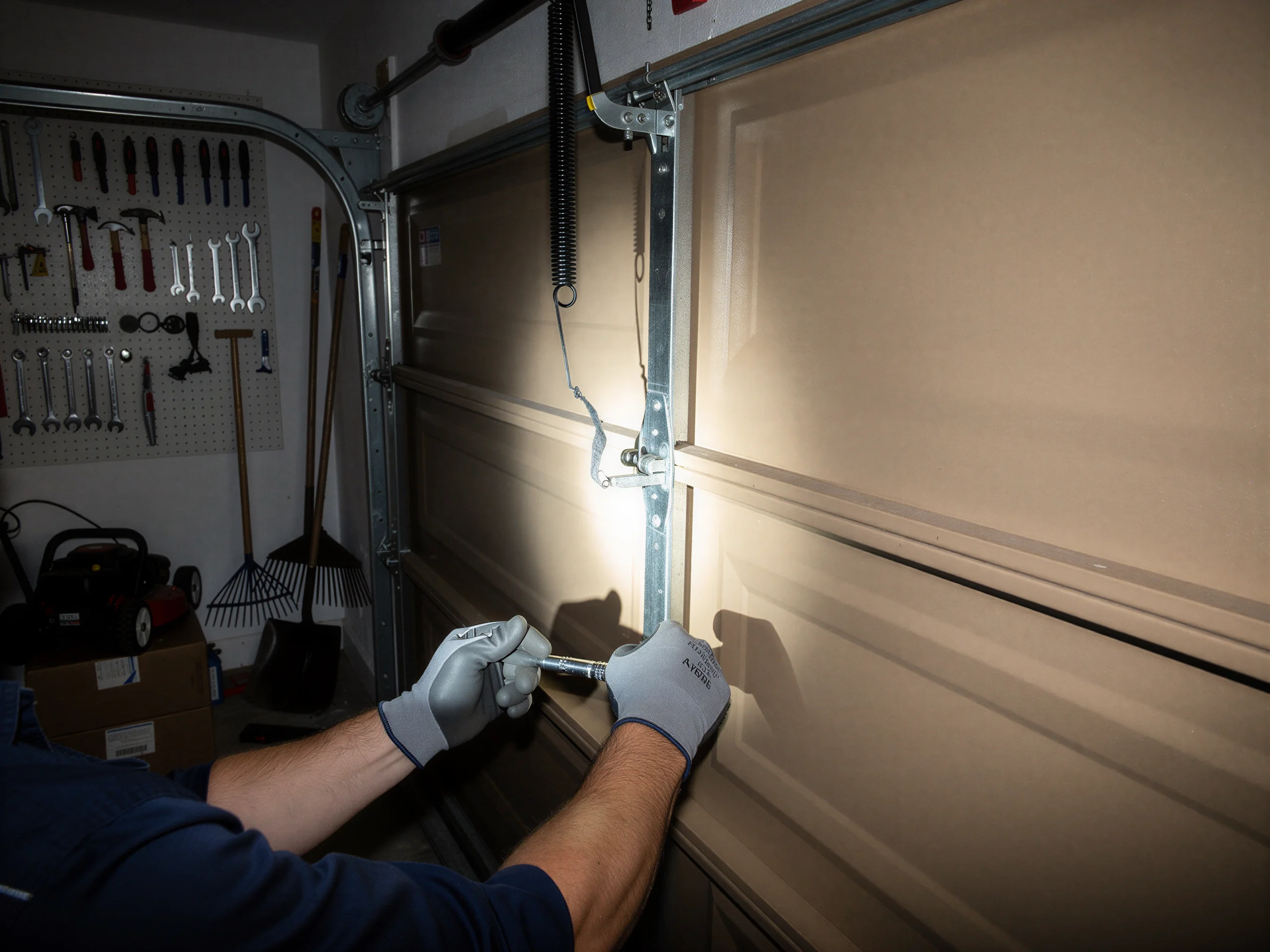
The biggest risk on a 1976-era opening is hardware that looks fine but isn't rated for a modern door's weight. Original track brackets were sized for lighter single-layer doors; a new insulated double-layer panel can be 30-40% heavier, and if the springs and brackets aren't upgraded to match, you get sag, slow closing, or a bracket pulling loose from the wall within a year. Another issue specific to this build era: some garages were framed with headers sized tight to the original door height, so a taller replacement door needs header work most homeowners don't expect to pay for. We flag both of these during the measure, not after the door's ordered, because once a custom-width or custom-height door is cut, it's not coming back.
Warning signs
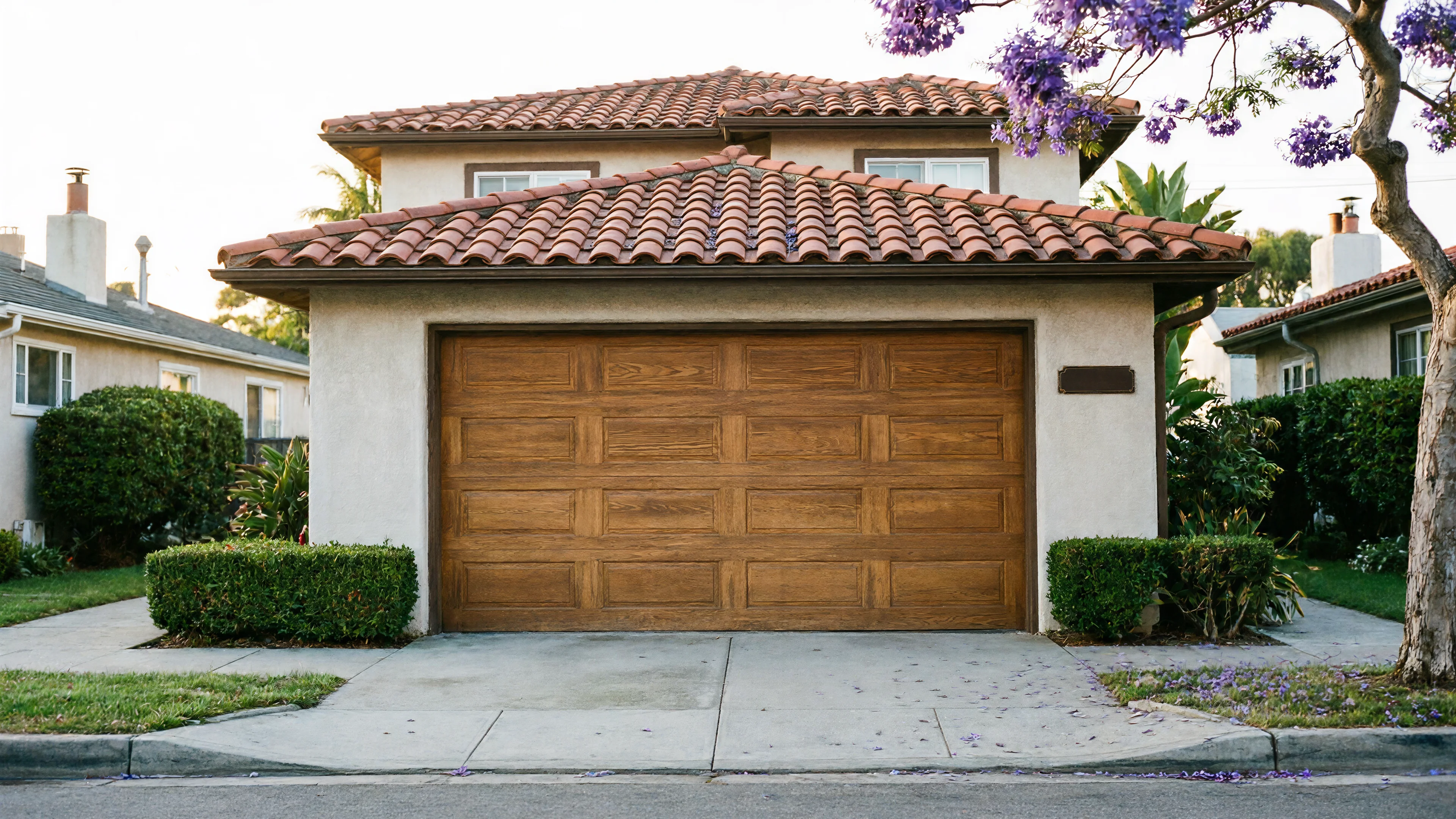
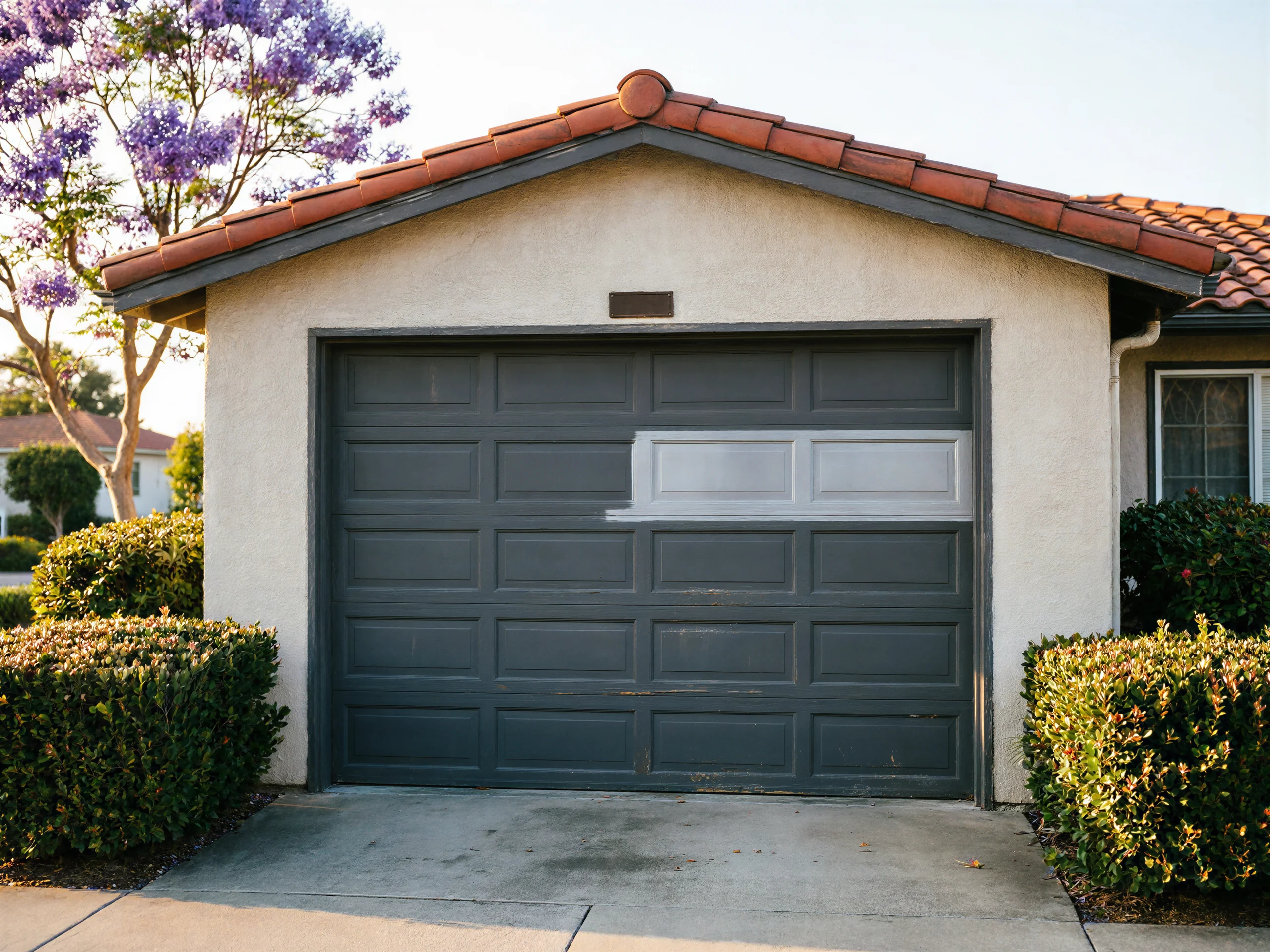
Owners usually call us after noticing the garage door looks dated next to a house that's otherwise been updated - new paint, new windows, original door.
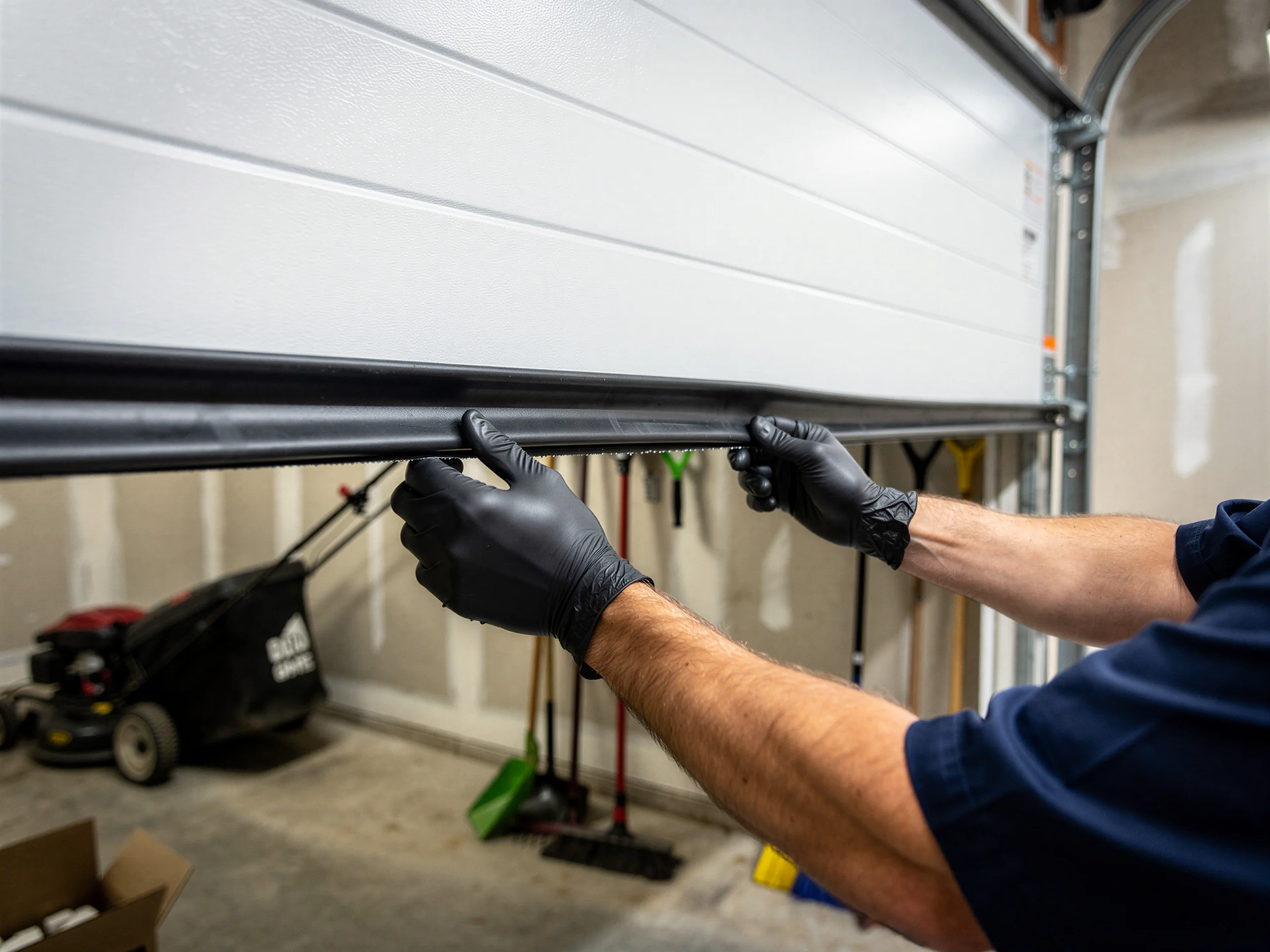
Sometimes it's a practical trigger: the door's dented from age, the panels don't seal the way they used to, or a mid-1970s steel door has started rusting at the bottom seam where moisture collects.
With 16,979 households in Placentia and a good share of them sitting on that same original build era, we see a pattern of folks replacing the door at the same life stage - roughly when other big-ticket items like the roof or water heater are also due. It's rarely an emergency call; it's a planned swap once the old door stops looking or working the way the rest of the house does.
Timing
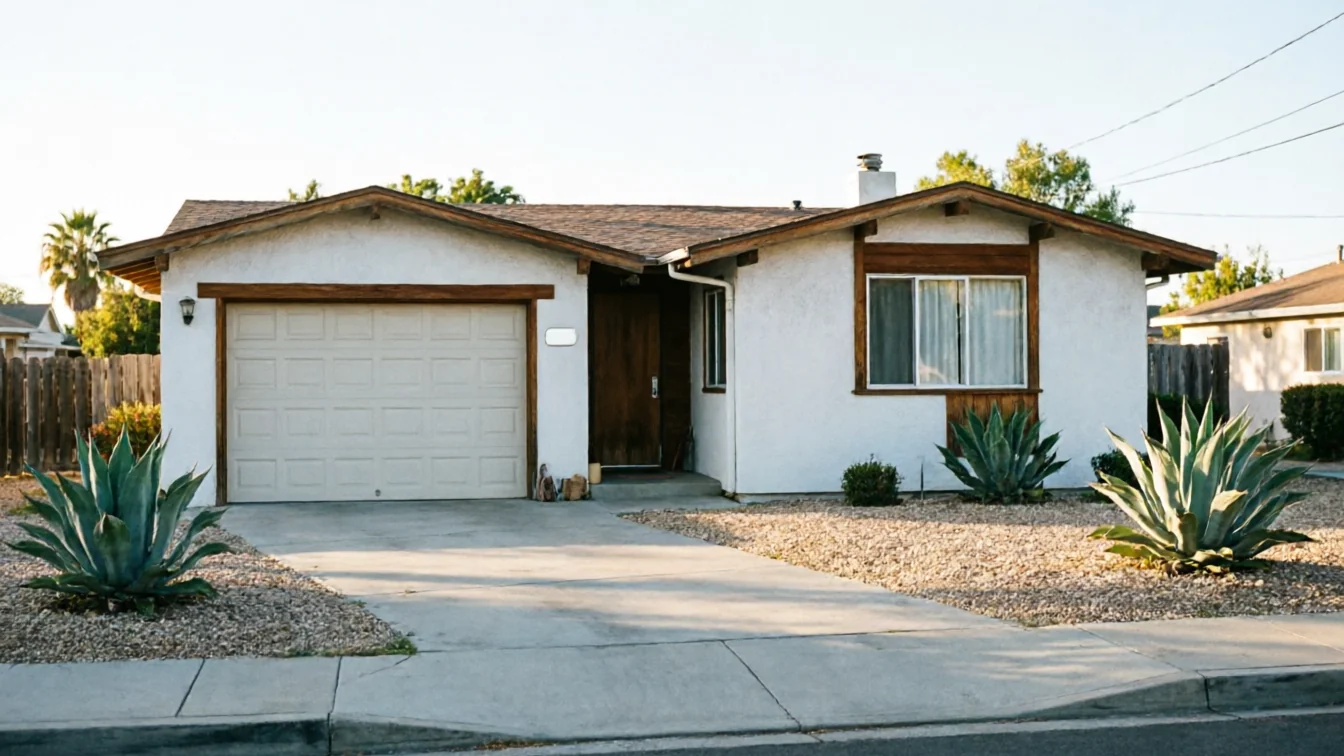
A standard double-door installation on an opening we've already measured typically runs one day, start to finish, including hauling off the old door and hardware. If the header needs reframing because the new door is taller than the original 1976 opening allowed, that adds time - we'll tell you during the estimate, not the morning of. Custom-width or custom-material doors carry their own order lead time from the manufacturer before we ever get to the install day itself, and that's outside our control. We don't carry every size and finish on the truck, so anything outside standard dimensions means a short wait before we're back on-site to put it in.
Questions
Usually yes, but it depends on the exact framing. Placentia's median build year is 1976, and most openings from that era match standard sizing, though headers and brackets sometimes need upgrading to carry a heavier insulated door. We measure in person before ordering anything custom.
We install and service garage doors in Placentia, traveling the roughly 4 miles from our Fullerton base. We don't keep a branch location in Placentia itself, so scheduling runs through our Fullerton team.
Placentia sits in the same mild temperate band as the surrounding area, so extreme heat or cold cycling isn't a major factor. Material choice here tends to come down to insulation preference and look rather than weather durability.
If your house was built around the 1976 median for Placentia and the door, track, and springs have never been mentioned on a repair invoice, there's a good chance it's original. We check brackets, cable condition, and spring type during the estimate to confirm.
Explore more
Ready when you are
Fullerton Garage Door Pros repairs and installs garage doors, springs and openers in Fullerton, CA and the surrounding area.