
Blog
Fullerton Garage Doors: Repair or Replace
A Fullerton homeowner's guide to knowing when a garage door repair stops making sense, based on this area's 1960s housing stock and mild coastal climate.
Season by Season
Fullerton doesn't give you the seasonal swings that wreck a garage door fast. The climate here sits in a mild temperate band, so you don't get the freeze-thaw cycle that cracks concrete slabs and seizes up steel tracks, and you don't get the kind of sustained humidity that rusts springs from the inside out. That's the good news. The less good news is that it means failures here are almost entirely about age and use, not weather events you can point to. A door doesn't fail in February because of a hard freeze. It fails because it's been opening and closing twice a day for forty years and the torsion spring has finally used up its wind count. Spring and fall bring the biggest swing in daily temperature, maybe 20 degrees between morning and afternoon, and that's enough to make steel expand and contract just enough to loosen a bolt that was already marginal. Summer heat on a west-facing door can warp thin steel panels over years, especially on the older doors. None of this is dramatic. It's slow wear, and it means the question of repair versus replace in Fullerton is almost never urgent-weather-driven. It's a question of how many birthdays the door has had.
What Is Going On
Housing in this part of the county was mostly built between 1938 and 2012, with the median build year at 1964, and the bulk of it clusters in the 1960s and 70s across the 76 named communities that make up the service area. That matters more than people think. A door installed when the house was built in, say, 1966 is pushing sixty years old if it's never been replaced. Even if the panels still look fine, the hardware underneath -- the torsion spring, the drum, the original rollers -- is almost never original-compatible with what's sold today. We can often rebuild it, but we're not always working with parts made for that door; we're working with close substitutes. At some point the labor to keep adapting old hardware costs more than a new door with a warranty. The other thing going on is cycle count. A door that's been used twice a day for fifty-plus years has gone through tens of thousands of open-close cycles. Springs are rated for a number of cycles, not a number of years, and most residential torsion springs are rated for somewhere in the 10,000-cycle range. Houses from the 1960s stock have simply used theirs up.
When to Call Someone
Call before the door strands you, not after. If the spring makes a loud bang and the door won't lift, that's not a repair question anymore -- a snapped torsion spring under tension is dangerous to touch and needs a professional, full stop. Short of that, here's what should get you on the phone rather than reaching for a can of lubricant: a door that's noticeably heavier to lift by hand than it used to be, a cable that's visibly frayed, a panel with a dent deep enough that the track binds on it, or an opener that reverses itself for no reason. Any one of those on its own might be a $100-$200 fix. Two or three of them at once on a door that's already decades old is usually the point where we tell you honestly that a new door costs less over the next ten years than three separate service calls. We won't talk you into a repair job on a door that's circling the drain just to get the work. If the springs, rollers, and opener are all near end of life at the same time, replacement is the honest answer, and we'll say so.
What the Weather Here Does to It
Because Fullerton sits in a mild temperate zone, the weather itself isn't the villain -- it's more of a slow accomplice. There's no snow load, no ice damming, no monsoon humidity swelling a wood panel overnight. What you do get is steady sun exposure, and on an older wood-composite door from the 1960s or 70s building wave, UV and dry heat over decades will check and crack the surface even without a storm to blame. Steel doors fare better against sun, but thin-gauge steel from older builds can oil-can -- that rippled look -- after enough thermal cycling. The honest limitation here: we can't stop thirty years of sun damage with a tune-up. If the panel material itself has degraded, tightening hardware and lubricating hinges buys you months, not years. What the mild climate does buy you is a longer runway than a lot of other parts of the country get -- doors here often last well past what you'd expect somewhere with real winters -- which is exactly why so many Fullerton garage doors are still running on original 1960s-era hardware today, well past the point where that hardware is easy to source.
Questions
Common questions
How old does a garage door have to be before repair stops making sense?
There's no fixed year, but once a door is pushing 40-50 years old -- common in Fullerton given the median 1964 build year here -- and more than one major part (spring, cable, rollers, opener) is failing at once, replacement usually costs less over time than repeated service calls on worn-out hardware.
Does Fullerton's climate shorten garage door life?
Not really. The mild temperate climate here is easier on doors than places with freeze-thaw cycles or heavy humidity. Most failures we see are from age and cycle count, not weather damage, though steady sun exposure does dry out older wood-composite panels over decades.
Is it worth repairing a door on a house built in the 1960s?
Often yes, if it's one isolated failure like a single roller or a worn weatherstrip. It stops being worth it when the torsion spring, cables, and opener are all near end of life together, which is common on original 1960s-70s hardware that's simply used up its rated cycle count.
What's one thing you won't do on an old door?
We won't keep adapting incompatible aftermarket parts onto original 1960s hardware indefinitely just to avoid a replacement conversation. Past a certain point that costs you more in labor than a new door, and we'll tell you when we've hit that point.
Recommendation
You Might Also Like
More garage door guides for Fullerton homeowners.
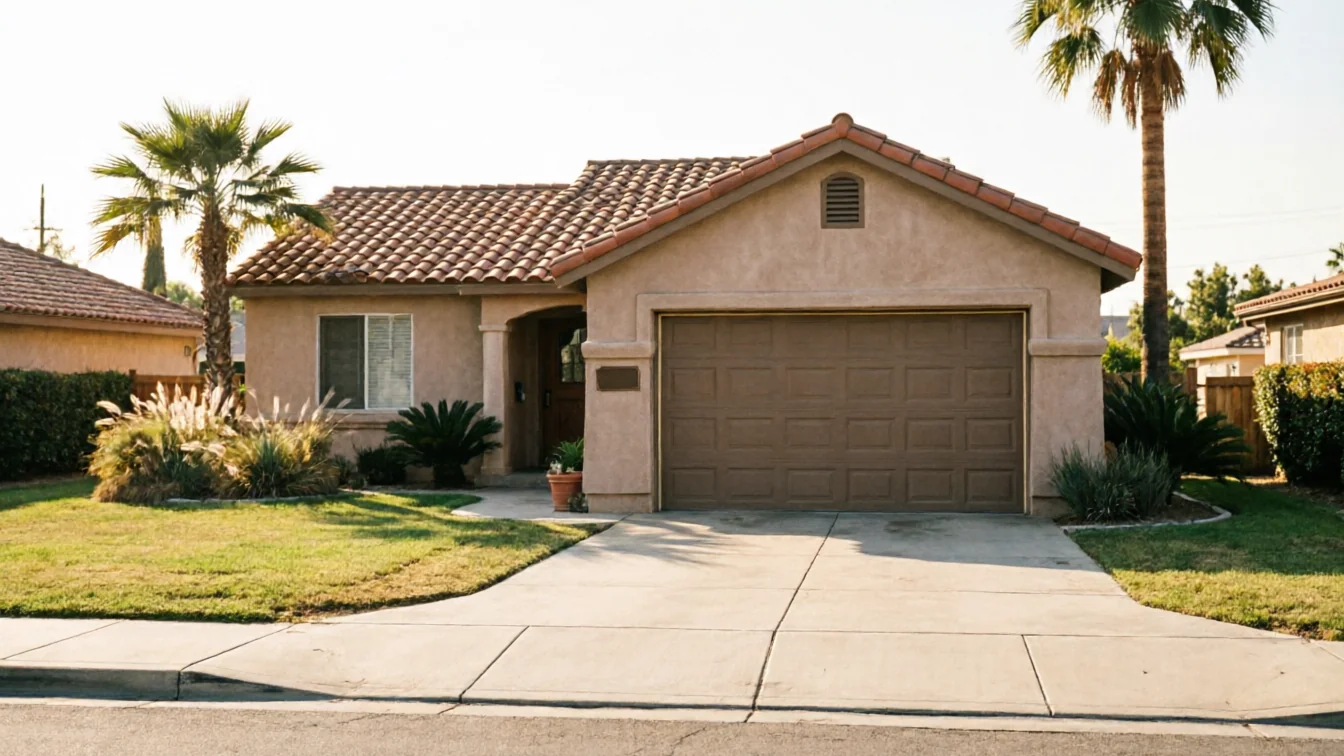
What a Replacement Garage Door Costs and Means in Fullerton
A look at replacement garage doors for Fullerton houses built mostly between 1938 and 2012, what the mild coastal climate does to doors, and when a repair stops making sense.
Read guide
Noises That Mean Something
A guide for Fullerton homeowners on the clunks, squeals, and grinds that matter, tied to the 1960s-70s housing stock and mild climate common across the area.
Read guide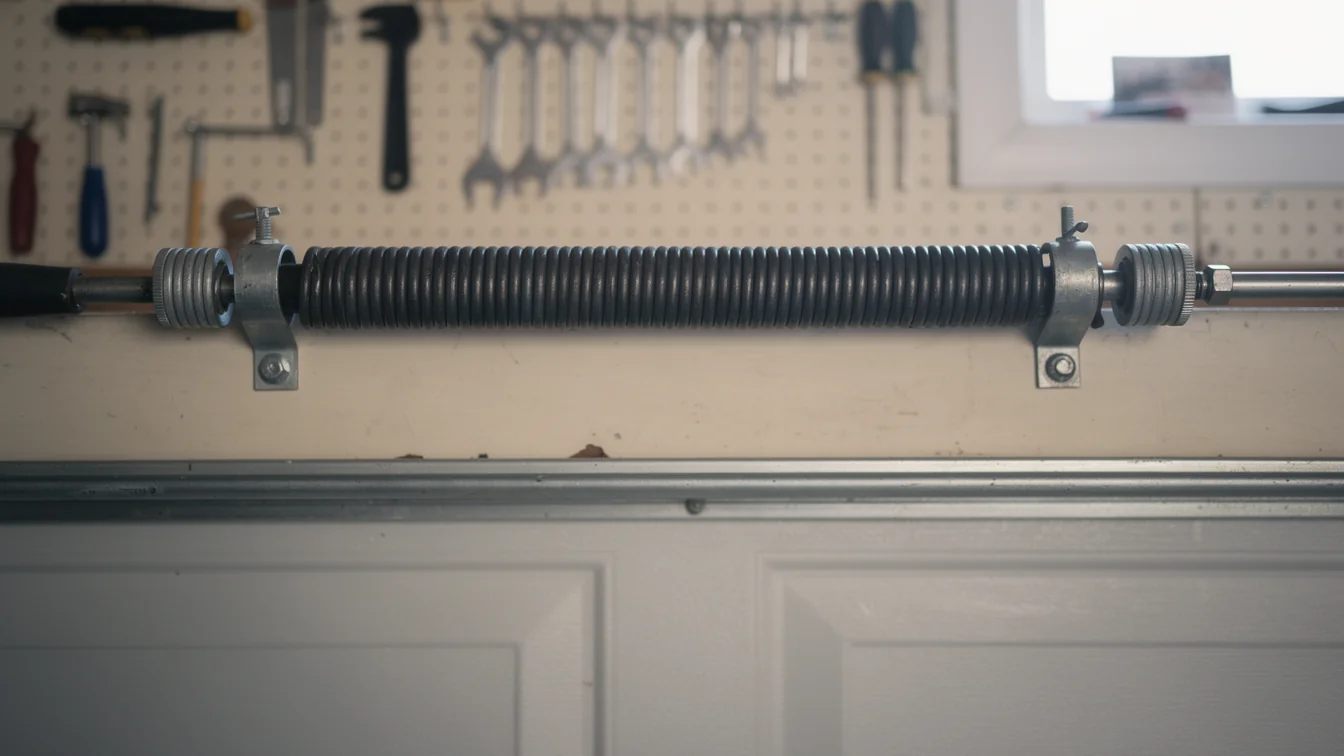
What a Technician Checks First on a Fullerton Garage Door
A Fullerton technician's first stops on a service call, tied to this city's 1960s-70s housing stock and mild coastal-inland climate swings.
Read guideReady when you are
Need a garage door sorted in Fullerton?
Fullerton Garage Door Pros repairs and installs garage doors, springs and openers in Fullerton, CA and the surrounding area.