
Blog
Is Your Old Fullerton Garage Door Worth Repairing
Fullerton's housing mostly dates to the 1960s and 70s, with stock going back to 1938. Here's how to tell if your original door is worth repairing or replacing.
Season by Season
Fullerton doesn't get the hard freeze-thaw cycles that wreck hardware elsewhere, but the mild temperate band here still moves a door through a yearly rhythm. Spring brings the only real rain of the year, and that's when a door that's been sitting dry all winter suddenly tells you about a bent track or a panel seam that was never quite sealed. Summer heat expands wood and metal doors alike, which is when owners notice a door that used to close flush start binding at the top corner. Fall is quiet - the best time to get ahead of a repair before anyone's in a hurry. Winter here is mild enough that most of the stress on a door comes from use, not weather: holiday traffic in and out, more cars parked in the driveway overnight, more cycles on an opener that's already decades old. None of these seasons are dramatic on their own. What matters is that a door built when Fullerton's housing stock went up - mostly in the 1960s and 70s - has now been through fifty or sixty of these cycles, and the fatigue shows up as a pattern, not a single event.
What Is Going On
Housing in Fullerton runs from 1938 up through 2012, but the median year built is 1964, and most of what's on the ground across the area's 76 named neighborhoods is that 1960s-70s generation of tract construction. Doors from that era are usually one-piece or narrow-panel steel on hardware that was never meant to be serviced twice - torsion springs sized for a lighter door, rollers that were steel on steel with no bearing, track bent to fit a header that's settled an inch since it was framed. When a door from that period is still running on its original spring and rollers, the question isn't whether it needs work, it's whether the opener, the track, and the panels are square enough to be worth putting new hardware on. A door with a straight track and panels that haven't rusted through at the bottom is often a good candidate for new springs and rollers rather than full replacement. A door with a sagging panel or a track that's been reshaped by a decade of a car bumping it is a different conversation.
When to Call Someone
Call before the spring breaks, not after. A torsion spring on a door this old is usually near the end of its cycle count even if it hasn't snapped yet, and a tech can tell from the coil gap and the condition of the winding cone whether you've got weeks or years left. Call if the door is noticeably heavier to lift by hand than it used to be - that's usually the spring losing tension, not your imagination. Don't call for a once-a-month squeak; that's a lubrication job you can do yourself. We don't recommend putting new high-cycle springs on a door with a track that's visibly bowed or panels that have rusted through at the bottom corner - at that point the door itself is the weak link, and new hardware on a bad door is money spent twice.
What the Weather Here Does to It
Fullerton sits in a mild temperate band, so the door itself rarely cracks or warps from cold the way it might further inland or at elevation. The bigger factor is sun and dry heat cycling a steel panel through expansion and contraction day after day, which loosens the screws holding hinges to panels faster than people expect. On a door built to 1960s-70s standards, that slow loosening combines with age-weakened steel to produce the panel sag we see most - a door that still opens fine but doesn't sit flush at the bottom when closed. It's not dramatic weather damage, it's accumulated cycling in a climate that never forces a hard reset. That's actually good news: it means a door here tends to fail predictably, through wear, rather than suddenly from a storm, which gives you a real window to catch it before it becomes an emergency call.
Questions
Common questions
How do I know if my garage door is original to the house?
If your house was built in the 1960s or 70s - which covers most of Fullerton's housing stock - and the door has never been replaced, it's likely a one-piece or narrow-panel steel door on the original torsion spring. Steel rollers (no rubber or nylon) and a spring with no date sticker are both signs it's original.
Is it worth fixing a 50-year-old garage door?
Often yes, if the track is straight and the panels aren't rusted through. New springs, rollers, and cables on sound panels can add years of service for less than full replacement. If the panel is sagging or the track has been bent, the door itself is the limiting factor and repair stops making sense.
Does Fullerton's climate cause garage door damage?
Not the way cold or coastal salt air does elsewhere. The mild temperate climate here mostly causes slow wear from daily heat cycling - loosening hardware and fatiguing old springs - rather than sudden cracking or rust. That means problems build gradually and are easier to catch early.
Recommendation
You Might Also Like
More garage door guides for Fullerton homeowners.
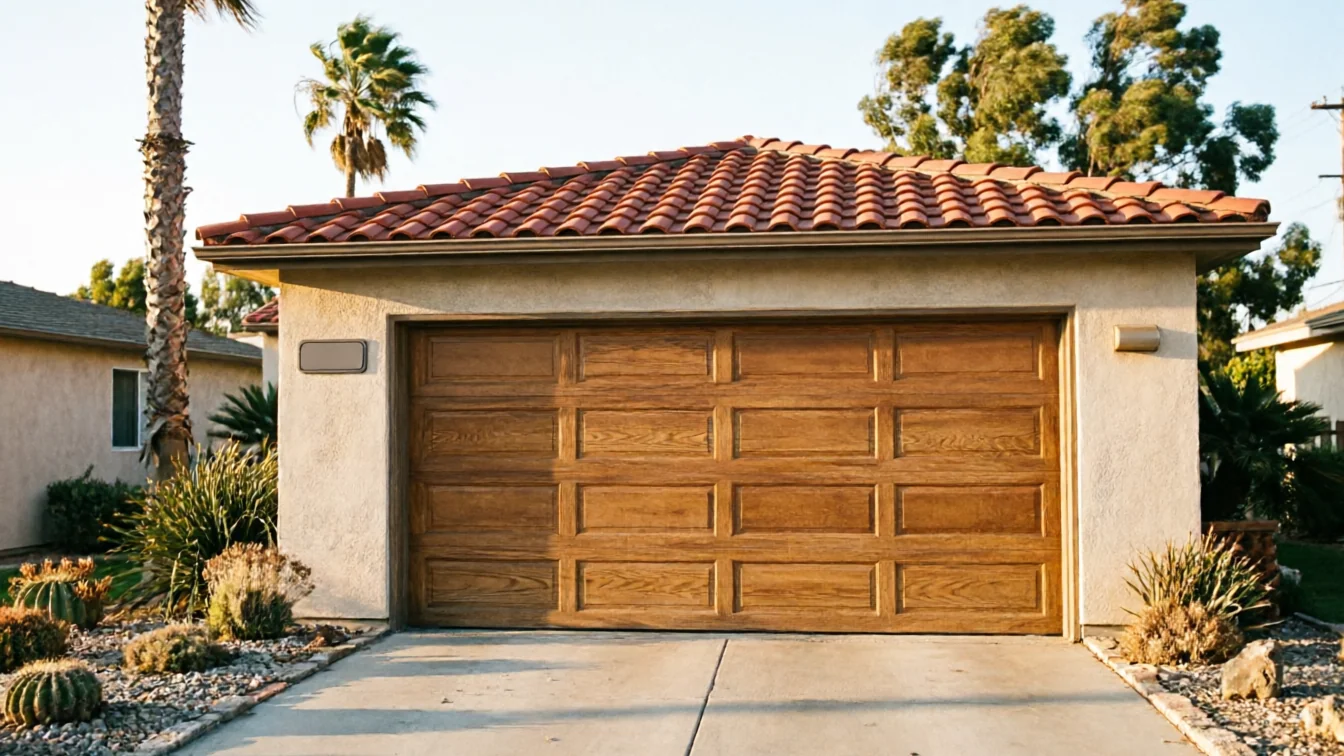
Detached or Attached: What Your Fullerton Garage Actually Needs
Fullerton's housing stock runs 1938-2012, median 1964, with most tract homes built attached.
Read guide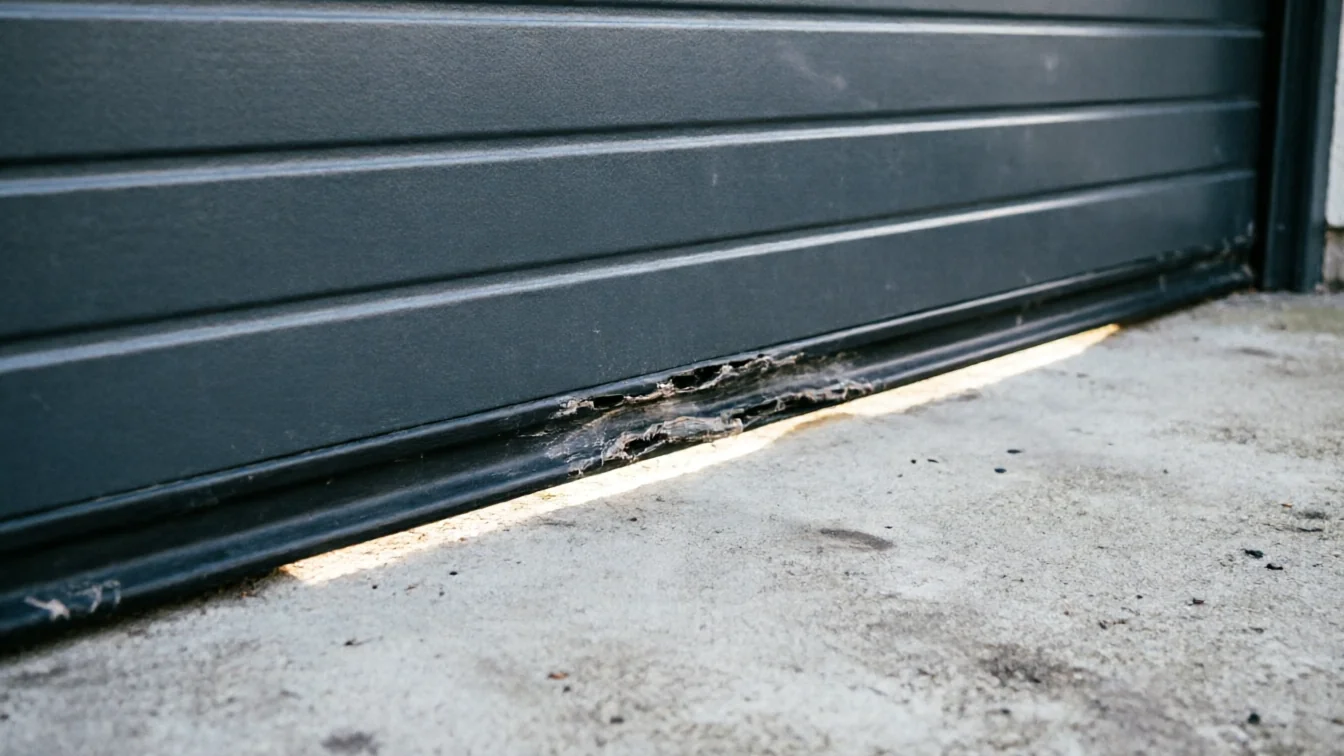
When a Spring Goes in Cold Weather Here in Fullerton
Fullerton homes built mostly in the 1960s and 70s carry original torsion springs that fatigue and snap on cold mornings here.
Read guide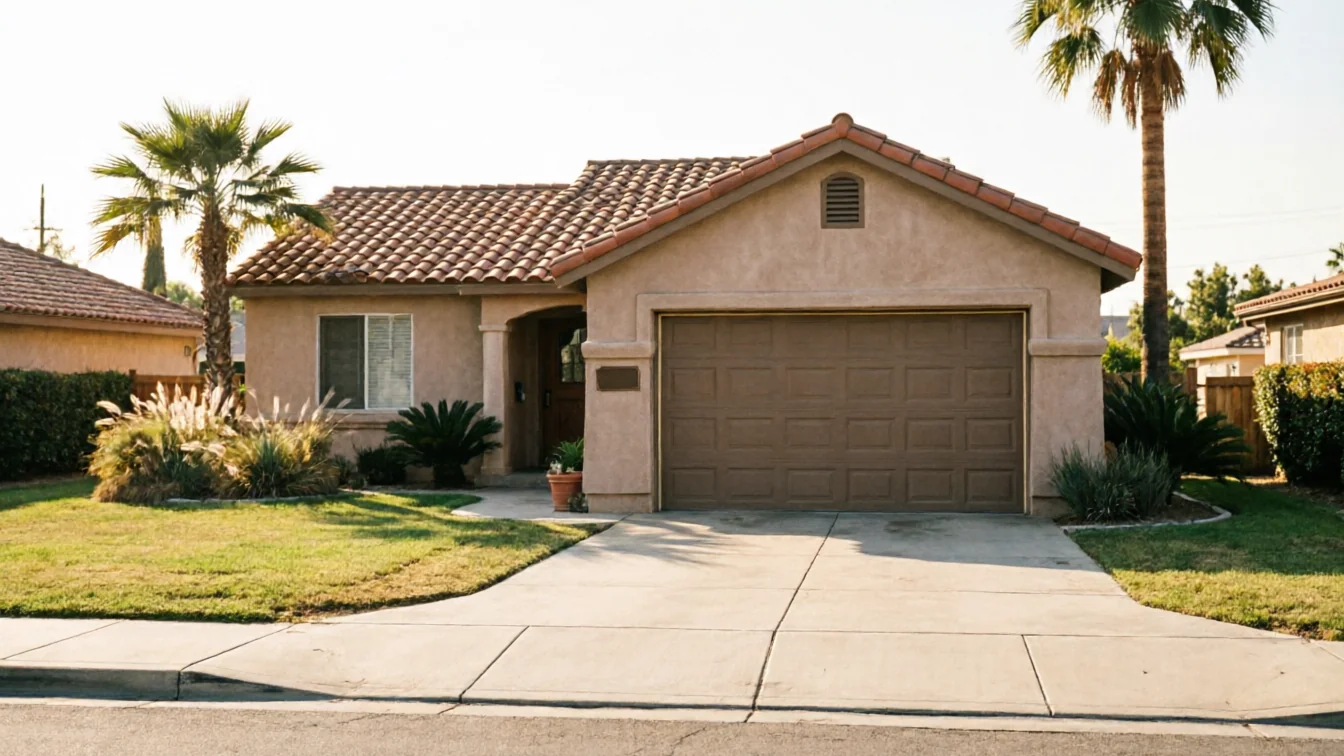
Noises That Mean Something
A guide for Fullerton homeowners on the clunks, squeals, and grinds that matter, tied to the 1960s-70s housing stock and mild climate common across the area.
Read guideReady when you are
Need a garage door sorted in Fullerton?
Fullerton Garage Door Pros repairs and installs garage doors, springs and openers in Fullerton, CA and the surrounding area.