
Blog
Why a Door Goes Off Track in Fullerton
Fullerton's 1960s-70s tract housing and mild climate both play a part in why doors drift off track. Here's what Fullerton Garage Door Pros sees on local jobs.
Season by Season
Fullerton doesn't get the hard freeze-thaw swings that crack concrete and heave slabs elsewhere in the country. The climate here runs mild temperate year-round, so you won't see the dramatic track failures that show up overnight in colder regions. What you get instead is slower and sneakier: steady day-to-night temperature swings that expand and contract steel track brackets a little bit every single day. Over a year that's nothing. Over the decades these houses have been standing, it adds up to loosened lag bolts and brackets that have walked a sixteenth of an inch off their original line. Spring and fall tend to bring the widest daily swings in this area, which is when we see a small uptick in calls about a door that's started rubbing on one side of the opening. Summer heat can also make a track bind differently than it did in winter, because the steel itself grows a hair longer. None of this is dramatic weather. It's just time and temperature working on hardware that was installed when Eisenhower was still relevant news.
What Is Going On
Most of the housing stock in this part of Orange County was built in the 1960s and 70s, with the broader range running from 1938 to 2012 and a median year of 1964. That matters because track hardware from that era was almost always lag-bolted directly into the jamb studs, not into engineered brackets with any give built in. Wood studs shrink slightly as houses settle, which means the anchor points for your track have been moving, almost imperceptibly, since the day they were installed. Add a bent track section from a car bumper tap, a roller that's worn oval instead of round, or a cable that's jumped its drum, and the door starts walking sideways instead of running straight up and down. On older one-piece and early sectional doors, the horizontal track often sits on brackets that were never rated for the heavier insulated panels some owners add later. That mismatch between original 1960s-era hardware and newer, heavier doors is one of the more common reasons we find a door that looks fine standing still but drifts off track the moment it moves.
When to Call Someone
If the door is making it up and down but scraping a track wall, or if you can see daylight between a roller and the track at one spot, that's worth a call before it gets worse. A door that's actually jumped the track, or one where a cable has come off the drum, shouldn't be forced by hand or run with the opener. That's how a track bends further or a spring lets go under load. Here's the honest limit: if the track is only slightly out of line, straightening and re-anchoring the brackets is usually a same-visit fix. If the track is bent in more than one place, or the bracket has torn out of a stud that's too far gone to hold a new anchor, replacing that section of track is cheaper and more reliable than trying to coax a bent one back true. We'll tell you which situation you're in before we start work, not after.
What the Weather Here Does to It
Because this area sits in a mild temperate band, we don't see the ice-jammed tracks or snow-load bent panels that garage door companies deal with up north. What we do see, especially in homes dating back toward that 1964 median build year, is cumulative drift from decades of ordinary thermal movement acting on original hardware. A track that was plumb in 1966 has had close to sixty years of small daily expansion and contraction to work bolts loose, and nobody notices until the door starts binding. It's not storm damage. It's not a single event you can point to. It's just steady, boring physics on steel and wood that have been in place since before most of us were born, and it's why a track check is worth doing even when nothing seems obviously wrong.
Questions
Common questions
Why did my garage door suddenly start rubbing on one side?
Usually a track bracket has loosened or a roller has worn down unevenly, which lets the door lean as it travels. In houses from this area's common 1960s and 70s build era, the original lag-bolted brackets have had decades to shift slightly in aging studs, so this shows up more here than in newer construction.
Is it the heat causing my track problems?
Fullerton's mild temperate climate doesn't cause sudden track failures, but the daily swing between cooler nights and warmer days does expand and contract steel track slightly every day. On older homes that cumulative movement is often what finally loosens a bracket enough to notice.
Can I just bend the track back myself?
We'd rather you didn't. A track under load from the door's weight and spring tension can snap back or drop the door if it's forced. If it's a minor misalignment we can usually straighten and re-anchor it on one visit, but a track bent in multiple spots is better replaced.
Does a heavier replacement door cause track issues on an older house?
It can. A lot of track and bracket hardware from the 1960s and 70s wasn't rated for today's thicker, insulated sectional doors. If you've upgraded the door but kept the original track, mismatch between the two is a common reason it runs off line.
Recommendation
You Might Also Like
More garage door guides for Fullerton homeowners.
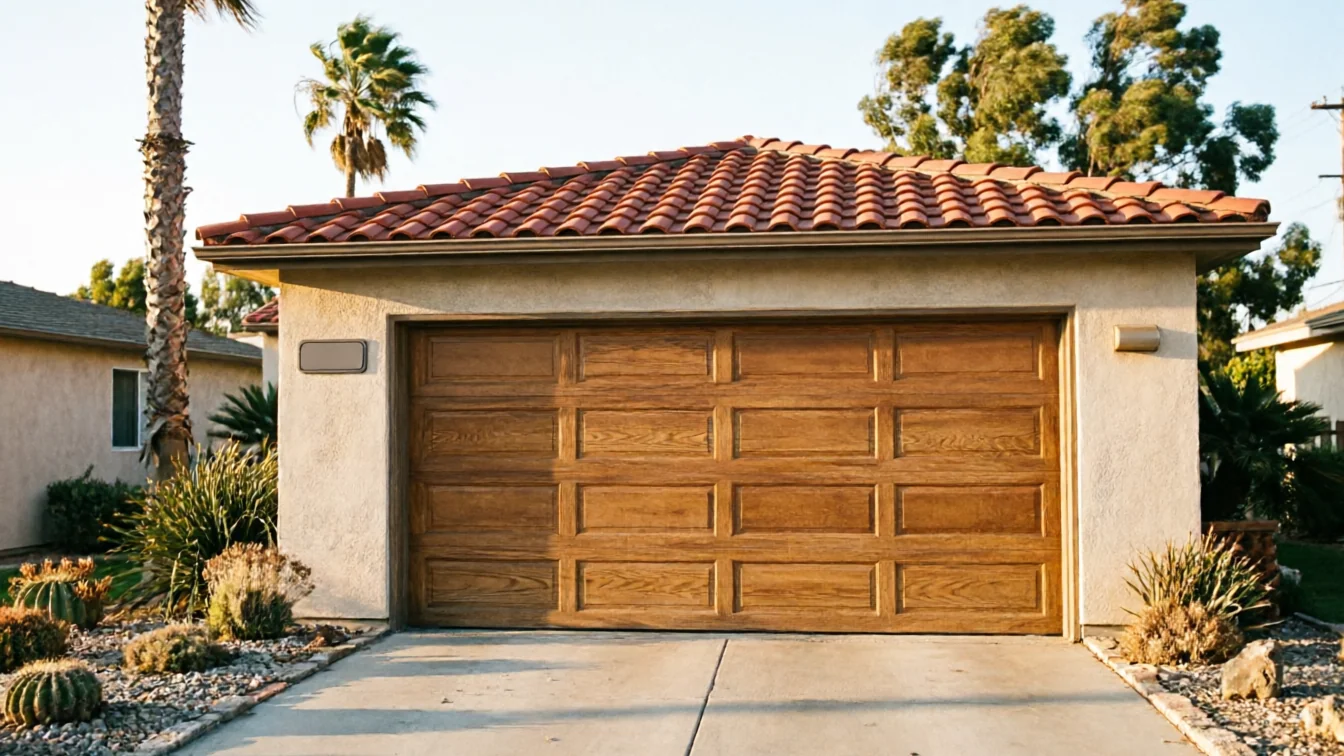
Detached or Attached: What Your Fullerton Garage Actually Needs
Fullerton's housing stock runs 1938-2012, median 1964, with most tract homes built attached.
Read guide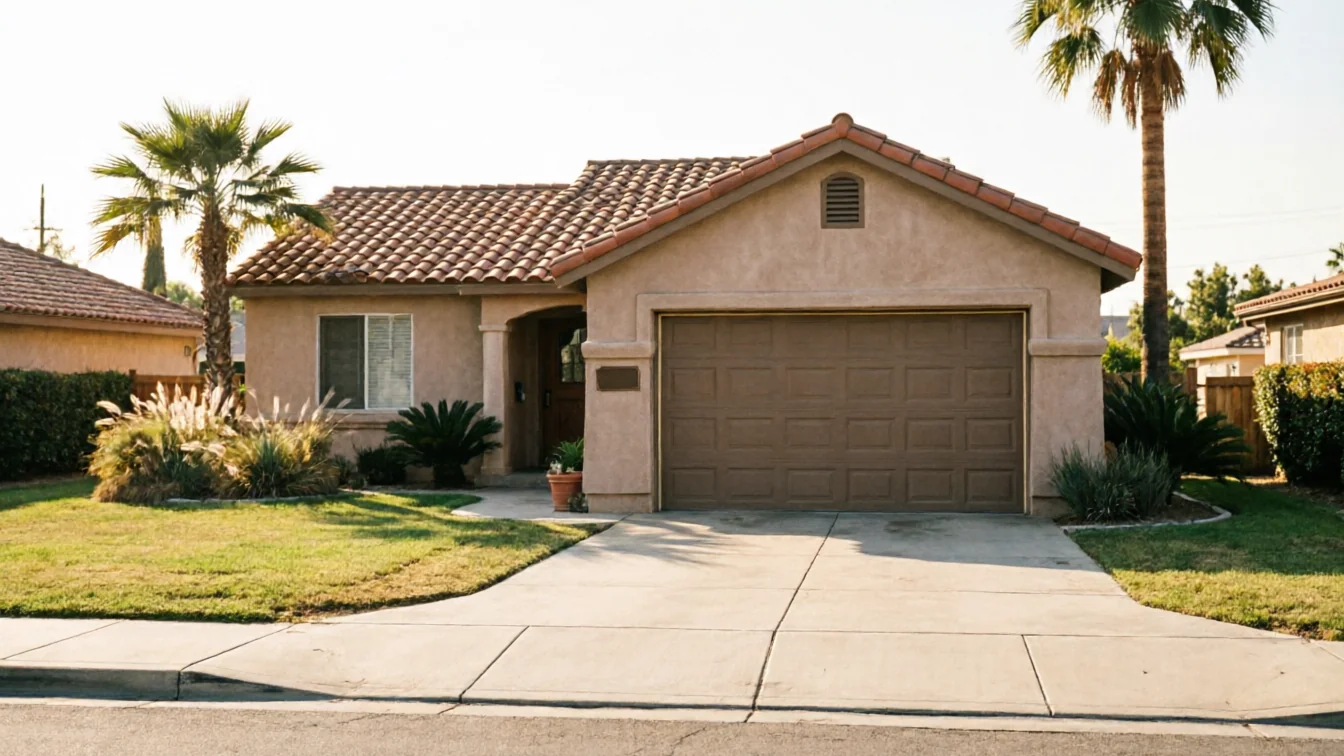
Noises That Mean Something
A guide for Fullerton homeowners on the clunks, squeals, and grinds that matter, tied to the 1960s-70s housing stock and mild climate common across the area.
Read guide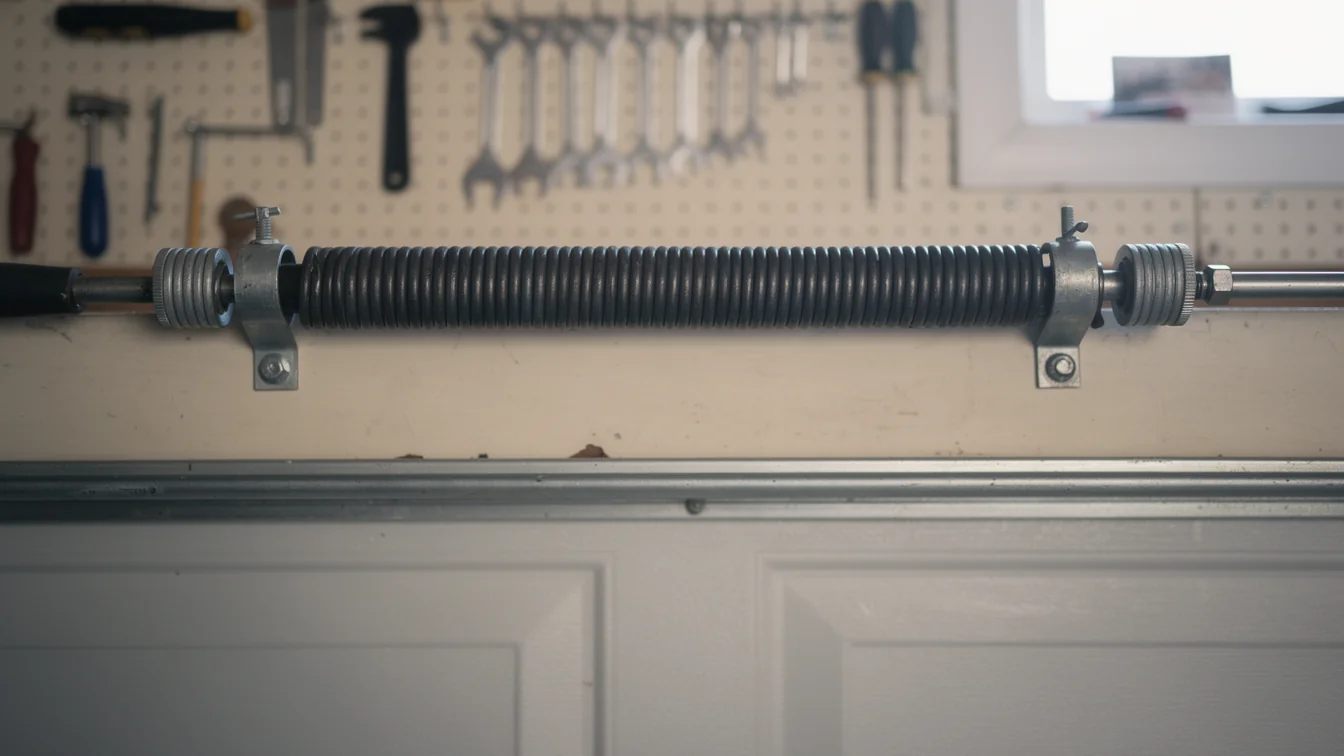
What a Technician Checks First on a Fullerton Garage Door
A Fullerton technician's first stops on a service call, tied to this city's 1960s-70s housing stock and mild coastal-inland climate swings.
Read guideReady when you are
Need a garage door sorted in Fullerton?
Fullerton Garage Door Pros repairs and installs garage doors, springs and openers in Fullerton, CA and the surrounding area.