Serving Fullerton, CA & nearby(657) 644-9757

Placentia, Fullerton

Garage Door Maintenance for Placentia's 1970s Tract Doors

Placentia homes mostly went up around 1976 - later than most of the service area, with different spring and roller setups. Here's what that means for upkeep.

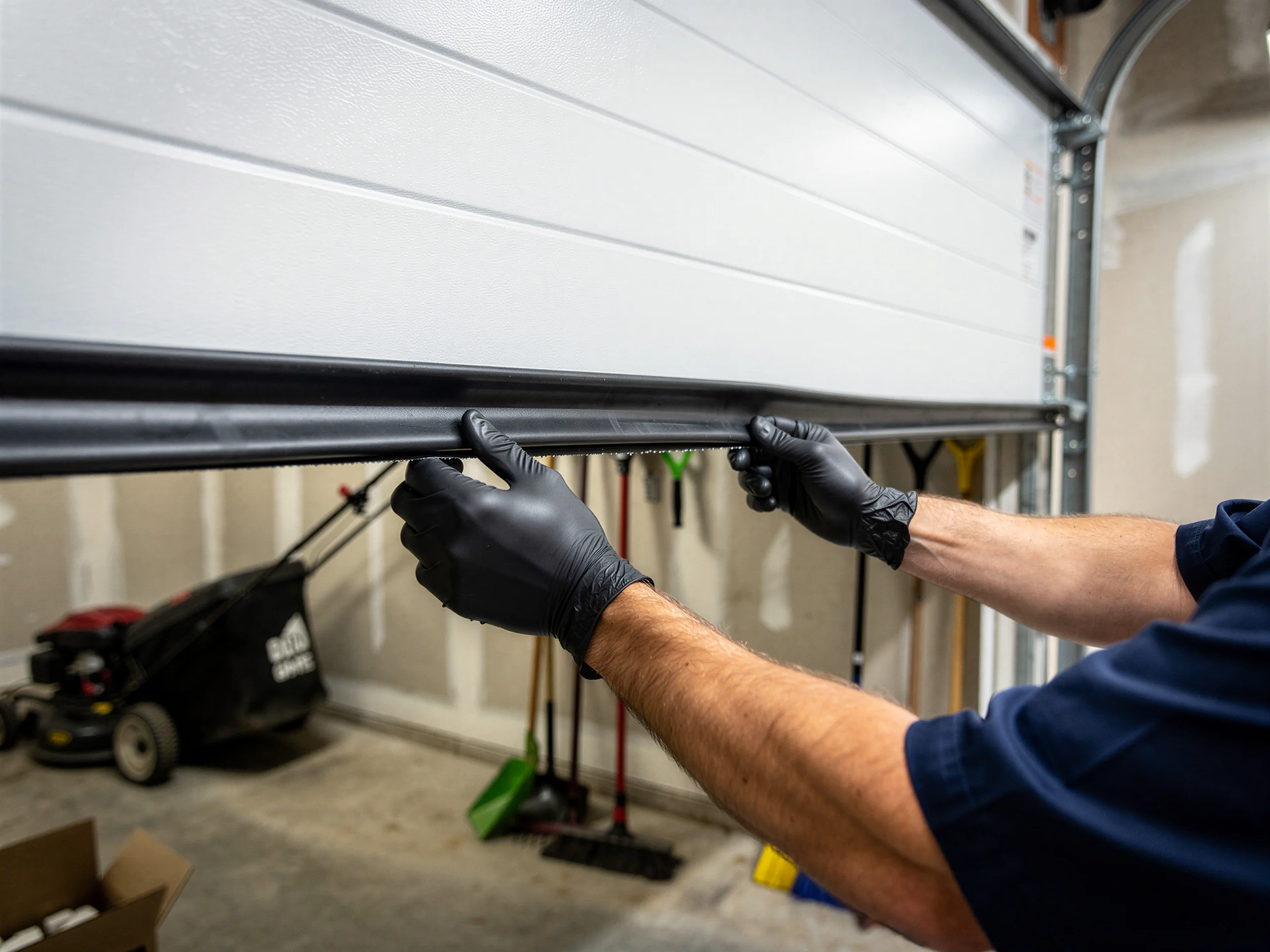
A technician wearing black gloves installs a new seal on a white garage door.
Same-day service in most cases
Serving Fullerton, CABackground-checked techsHonest, upfront pricingFast local response

DIY or pro

Doing It Yourself

Placentia's housing stock centers on 1976, noticeably later than the 1960s-and-70s mix that covers most of the broader service area. That matters for maintenance because by the mid-70s, tract builders had mostly standardized on steel sectional doors with extension springs mounted above the horizontal track, not the older torsion-only setups you find in earlier neighborhoods. If your door is original, you're looking at extension spring hardware that's now approaching 50 years old.

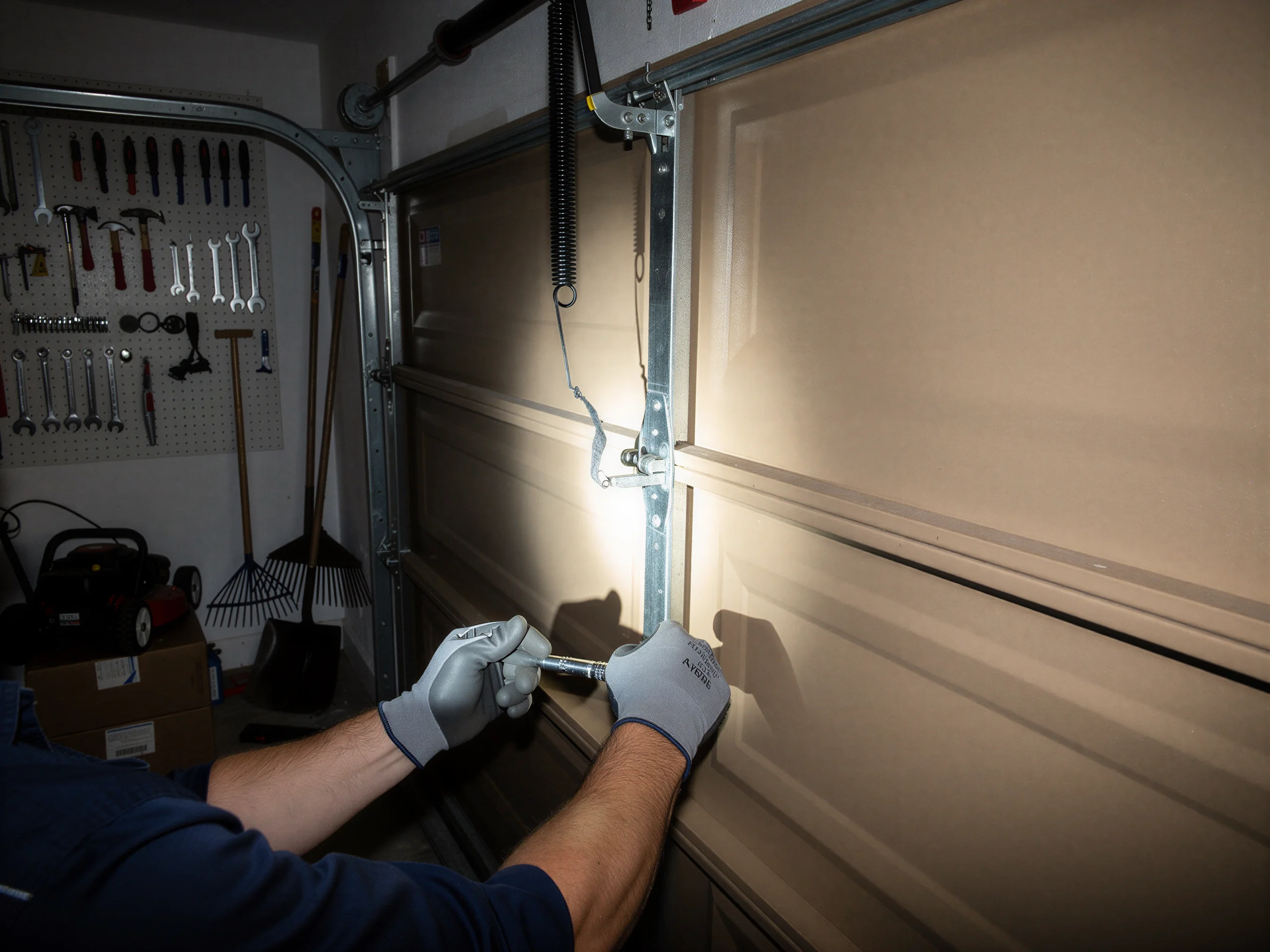
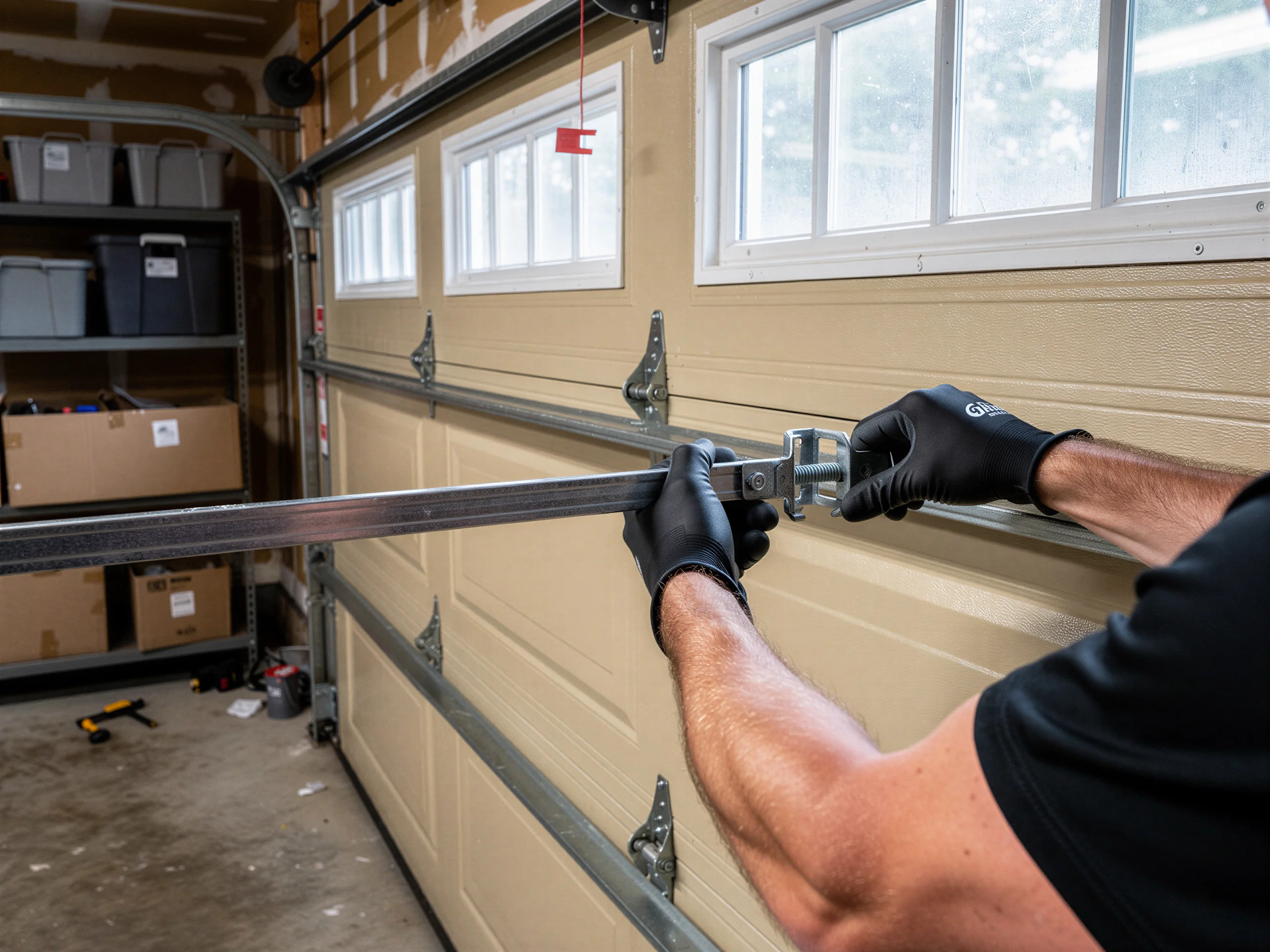
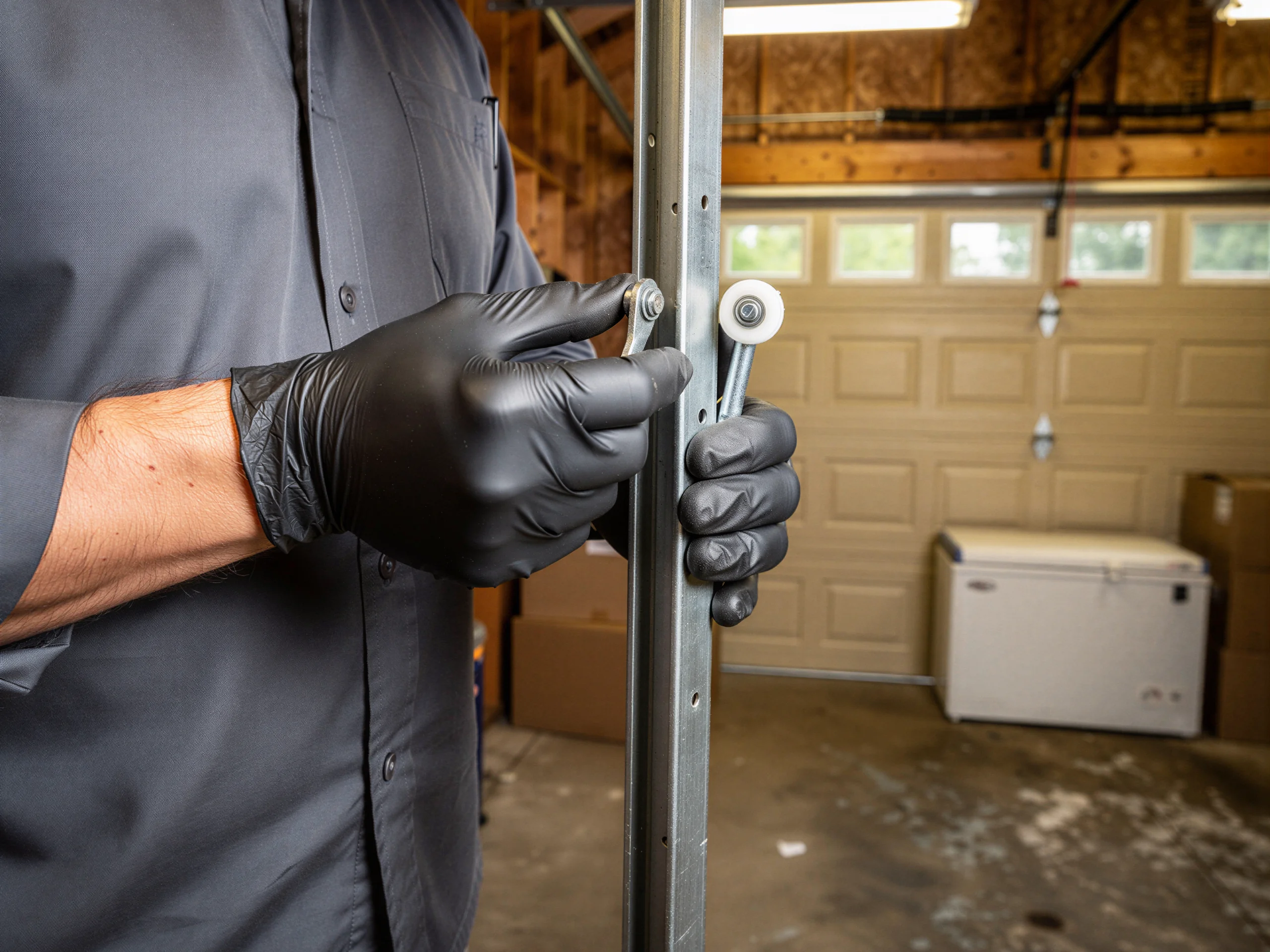
What you can safely do yourself: wipe down and lightly lubricate the rollers and hinges twice a year, check that the photo-eye sensors near the floor are clean and aligned, and look over the cables for fraying. Tighten loose bolts on the track brackets - vibration works them loose over decades.

What you should not touch: the extension springs themselves. They store a lot of energy, and on a door this age the stretched steel is more likely to have developed fatigue you can't see from the outside. Same goes for the safety cables that should be threaded through them - if yours doesn't have one, that's a repair call, not a DIY fix.

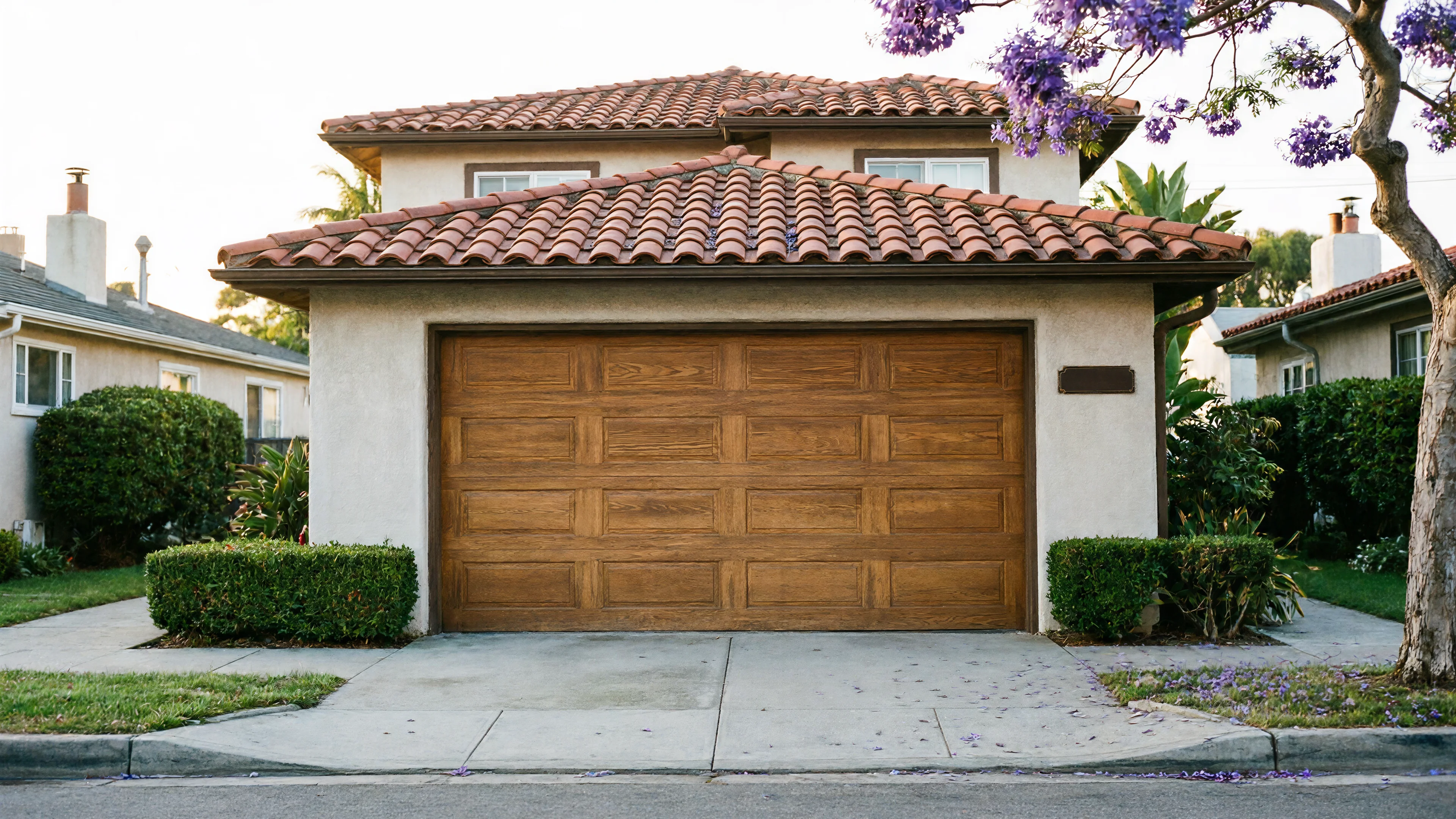
A house with a brown wooden garage door and a red tile roof.

Our process

How We Fix It

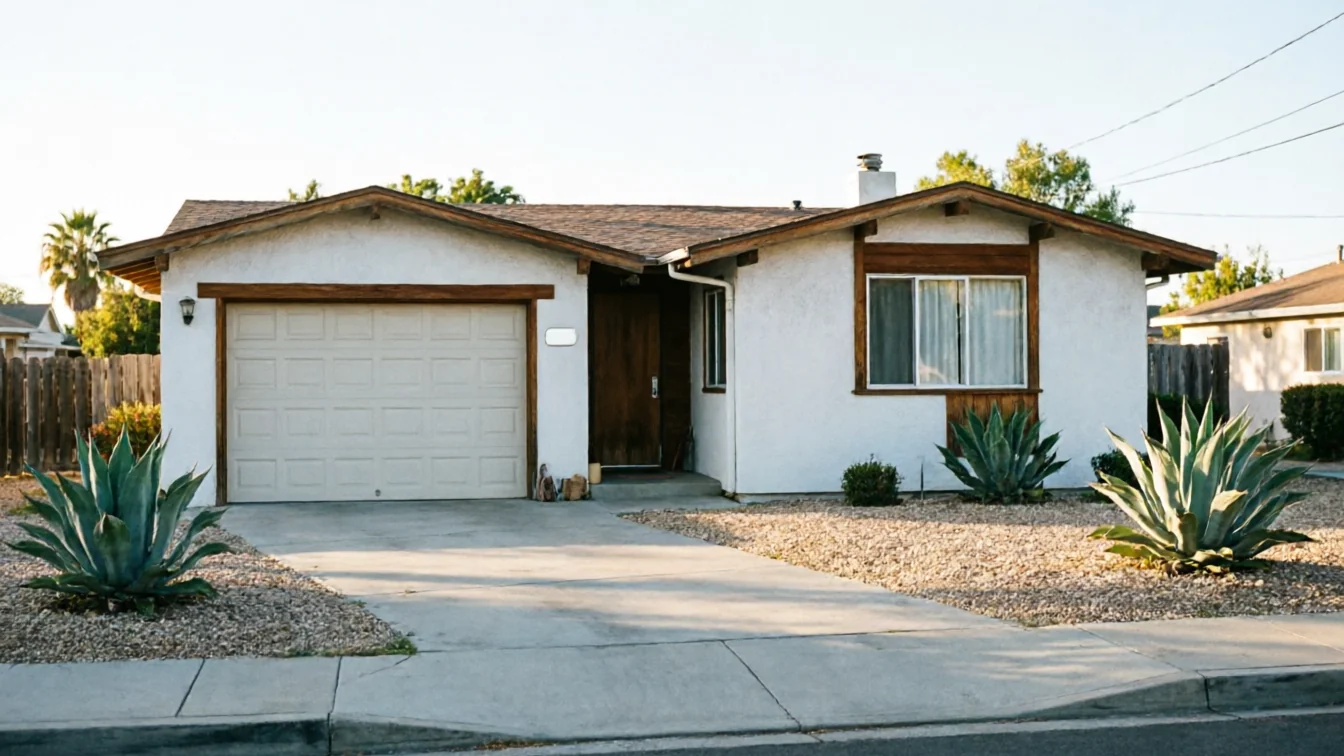
A white house with a beige garage door and agave plants in the front yard.

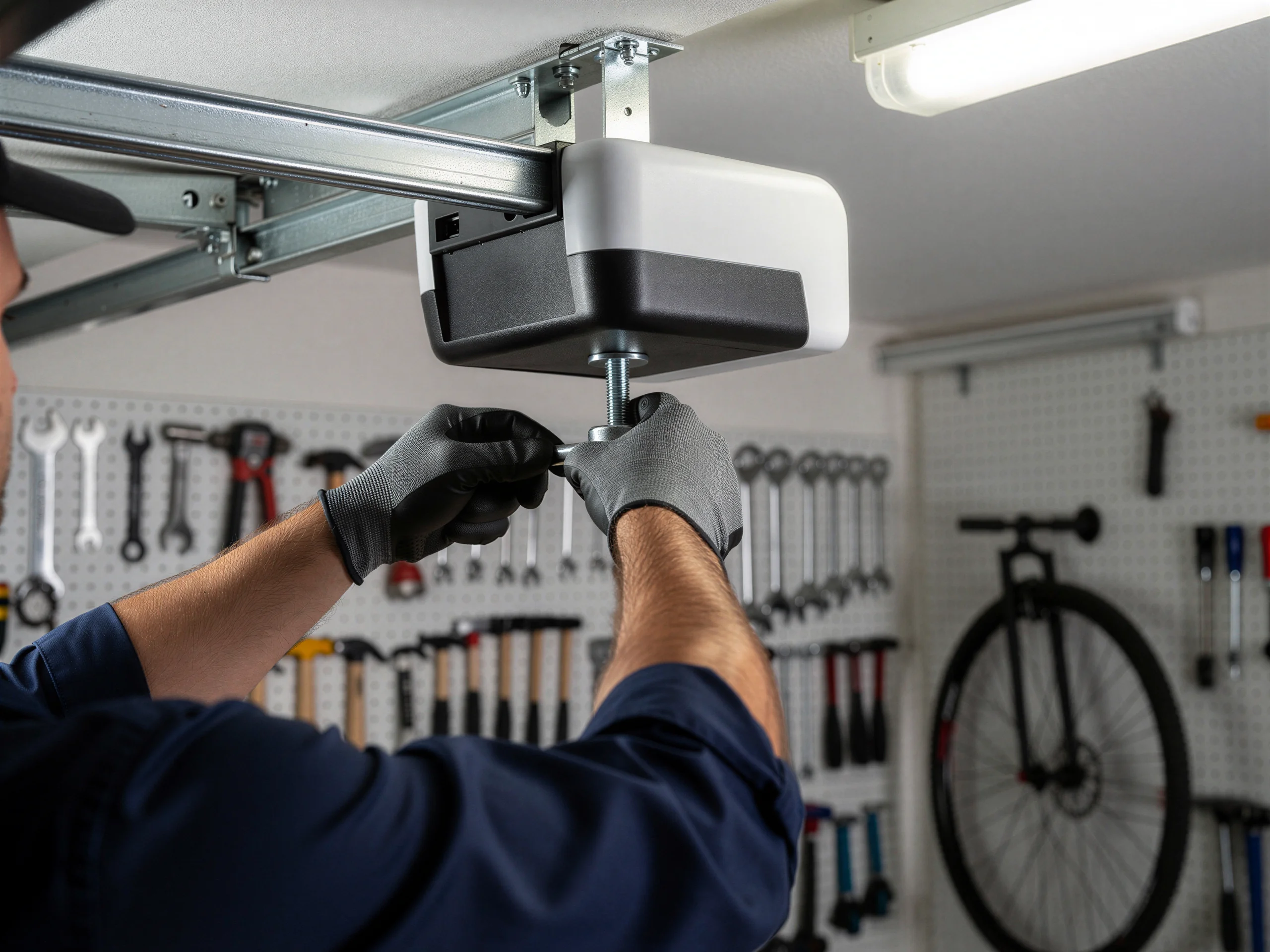
We come out from Fullerton, about 4 miles away, so there's no local branch or dedicated Placentia crew - just a straightforward drive over. On a maintenance visit we check the extension springs for stretch and rust, inspect the track alignment (steel sectional doors from this era tend to develop binding at the bottom rollers first), and test the opener's force settings if one was added later, since openers were often retrofitted to these doors rather than installed at build.

We lubricate hardware with the right product for the mild coastal-influenced climate here - not a heavy grease that gums up with dust, but something that holds up without needing monthly attention. We also check balance: a door that's out of balance puts extra strain on an opener motor and ages the springs faster, which is a common issue on doors built before openers were standard equipment.

More on how we handle maintenance across the wider service area, including what's different about older housing stock, is covered on our main Fullerton maintenance page.

Watch-outs

What Can Go Wrong

On a door built around 1976, the extension springs are usually the first thing to fail - they stretch, lose tension unevenly, and eventually snap.

Cable whip without containment

Because extension springs sit above the track rather than at the sides, a failure here can let a cable whip loose if there's no containment cable installed, which many original installs didn't include. The second common issue is roller wear.

Flat-spotted rollers, loose brackets

Steel rollers from this era were standard, and after decades of cycling they develop flat spots that cause the door to shudder or grind partway through the track. Track brackets that were torque-set at construction also loosen over fifty years of use, especially where the door sees daily cycles.

Full replacement over repeats

One honest limitation: if your springs or rollers are original to a 1976 build, we're not going to recommend patching them repeatedly. At that age, a full spring and roller replacement is usually the better money than repeated service calls on worn-out parts.

Warning signs

How It Shows Up

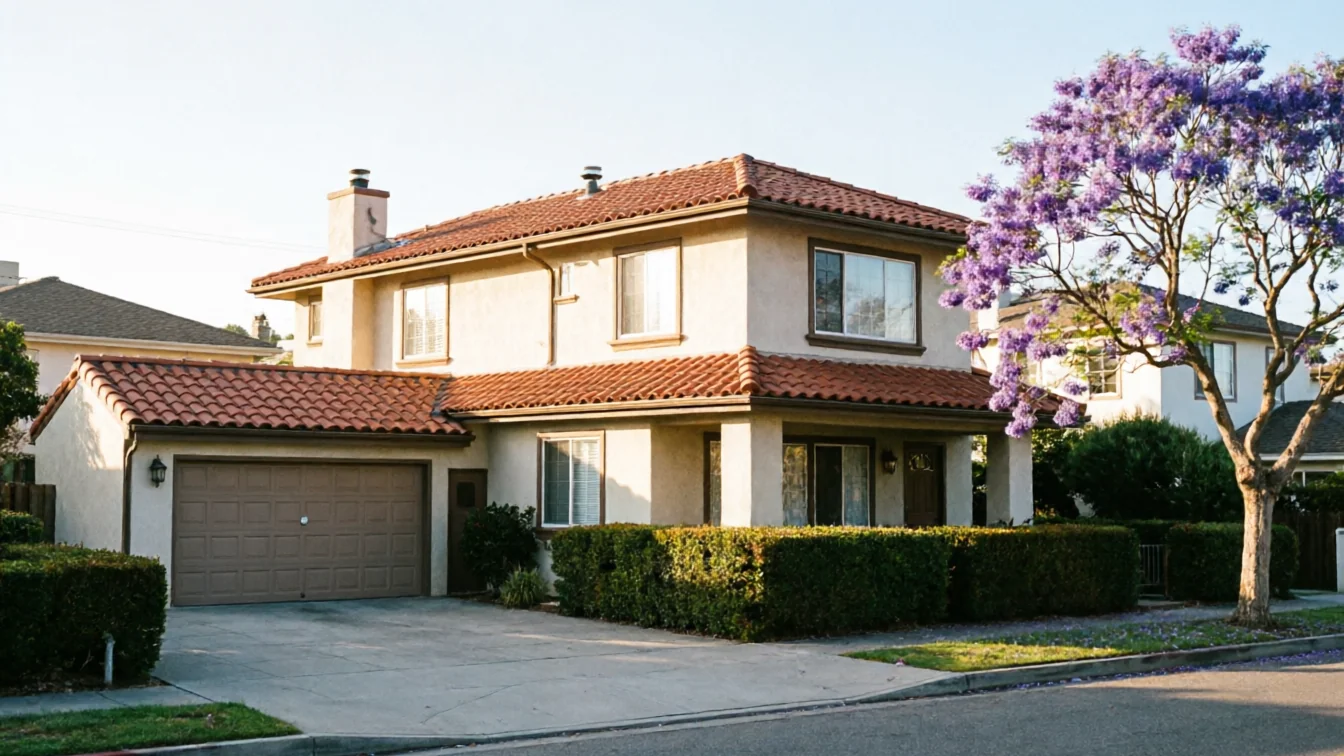
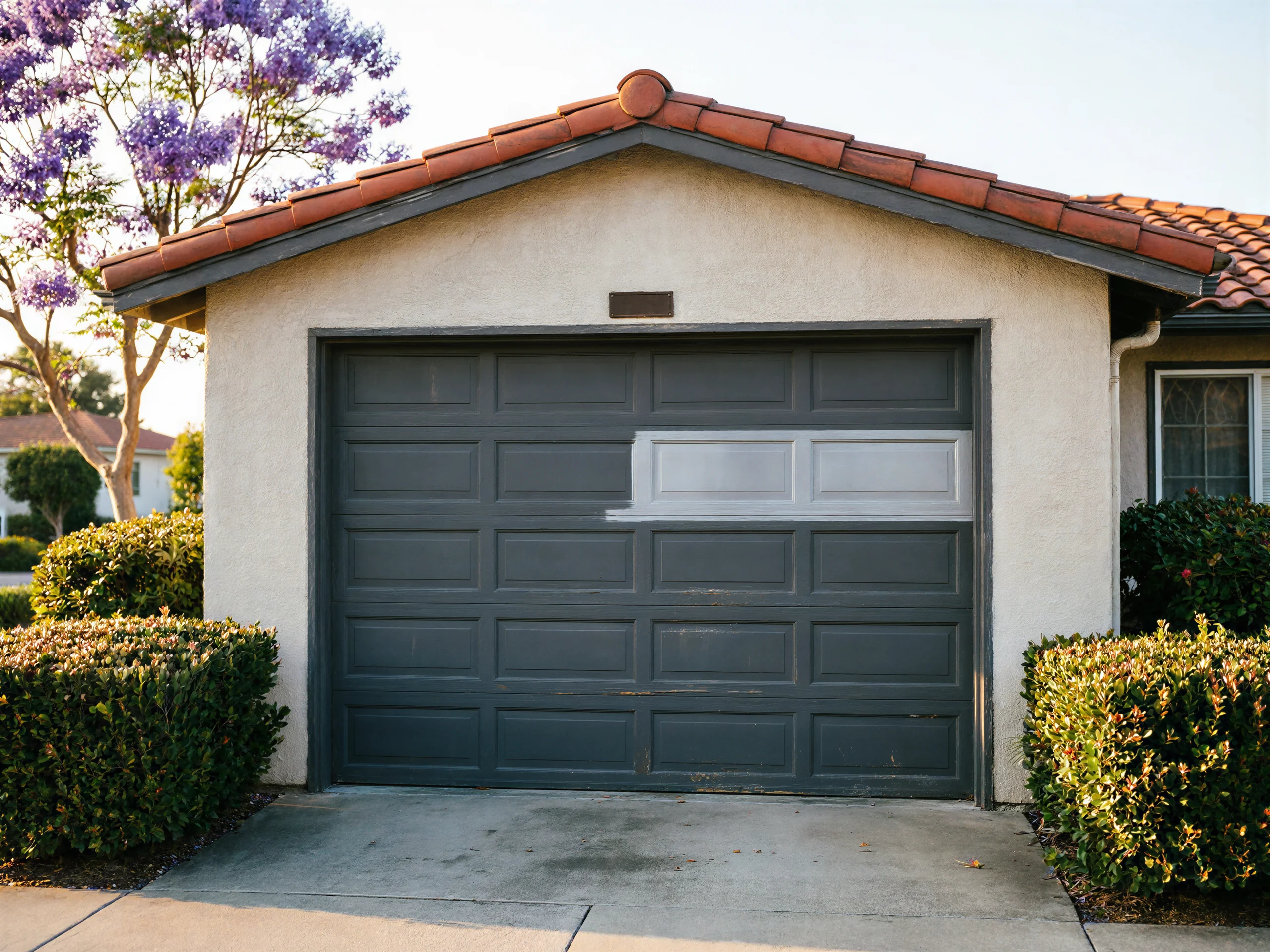
A brown garage door is on a stucco house with a tiled roof.

The first sign is usually noise - a grinding or clunking partway up or down, which points to flat-spotted rollers rather than a spring problem. If the door feels heavier than it used to, or the opener strains and reverses on the way up, that's extension spring fatigue losing you lift assist.

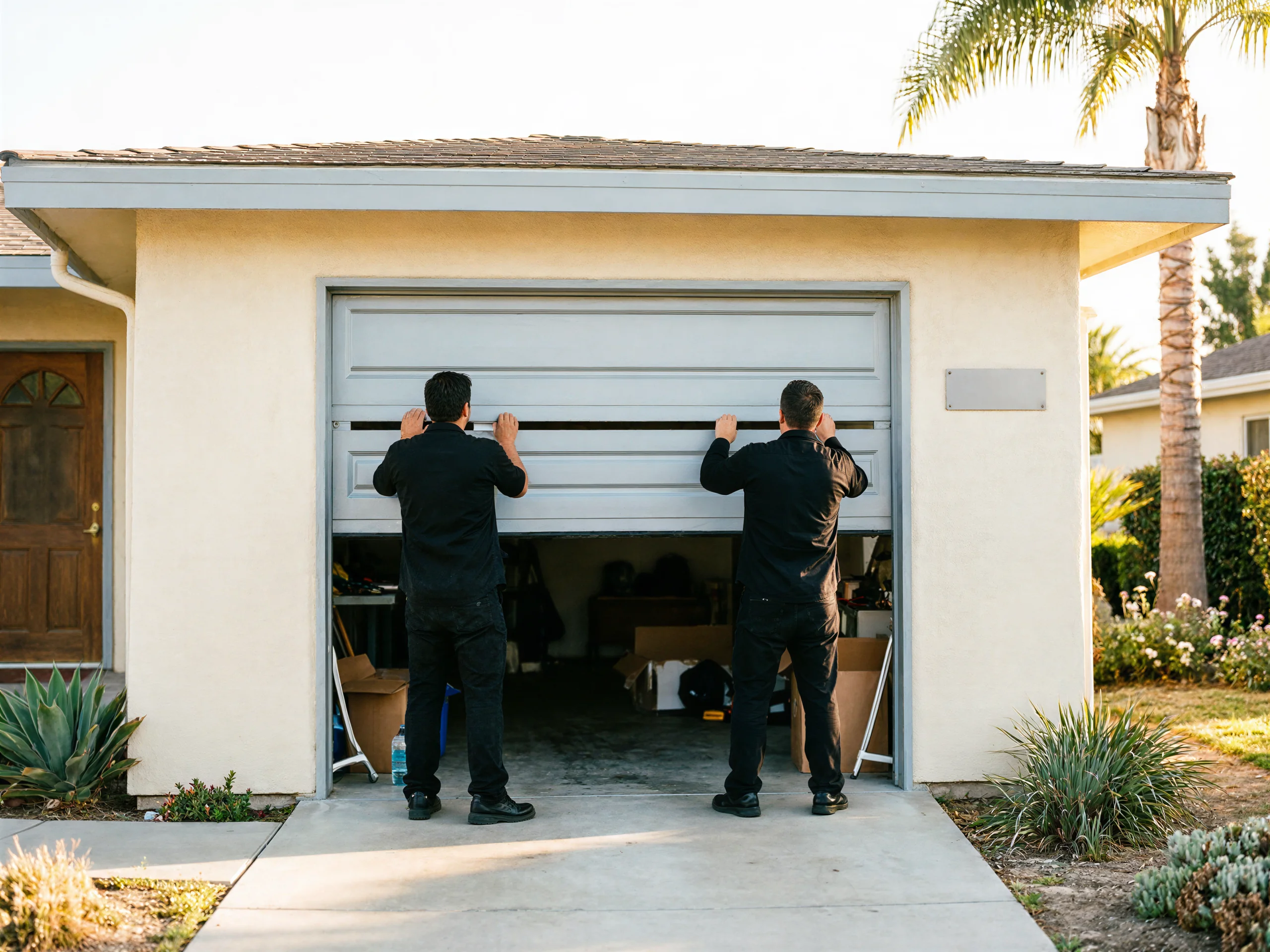
A door that's visibly crooked when it's halfway open, with one side higher than the other, means a cable has slipped or a spring has lost tension unevenly - common once extension springs on an older door start to go one at a time rather than together.

If you hear a loud bang from the garage and the door won't move at all, that's a broken spring, and depending on whether a containment cable is present, it can be more or less urgent to address.

Timing

How Long It Takes

A standard maintenance visit - lubrication, balance check, hardware inspection, opener force test - runs about the same regardless of the town, but the condition of a 1976-era door tends to add time versus a newer one. Expect extra time for inspecting original extension springs and rollers closely rather than a quick glance, since that's the hardware most likely to need attention on a door this age.

If we find something that needs replacing on the spot, like a cable or a roller, that's usually a same-visit fix. Spring replacement on an older extension-spring setup sometimes means a short wait if the exact size isn't on the truck, since tract-era hardware isn't always a stock size.

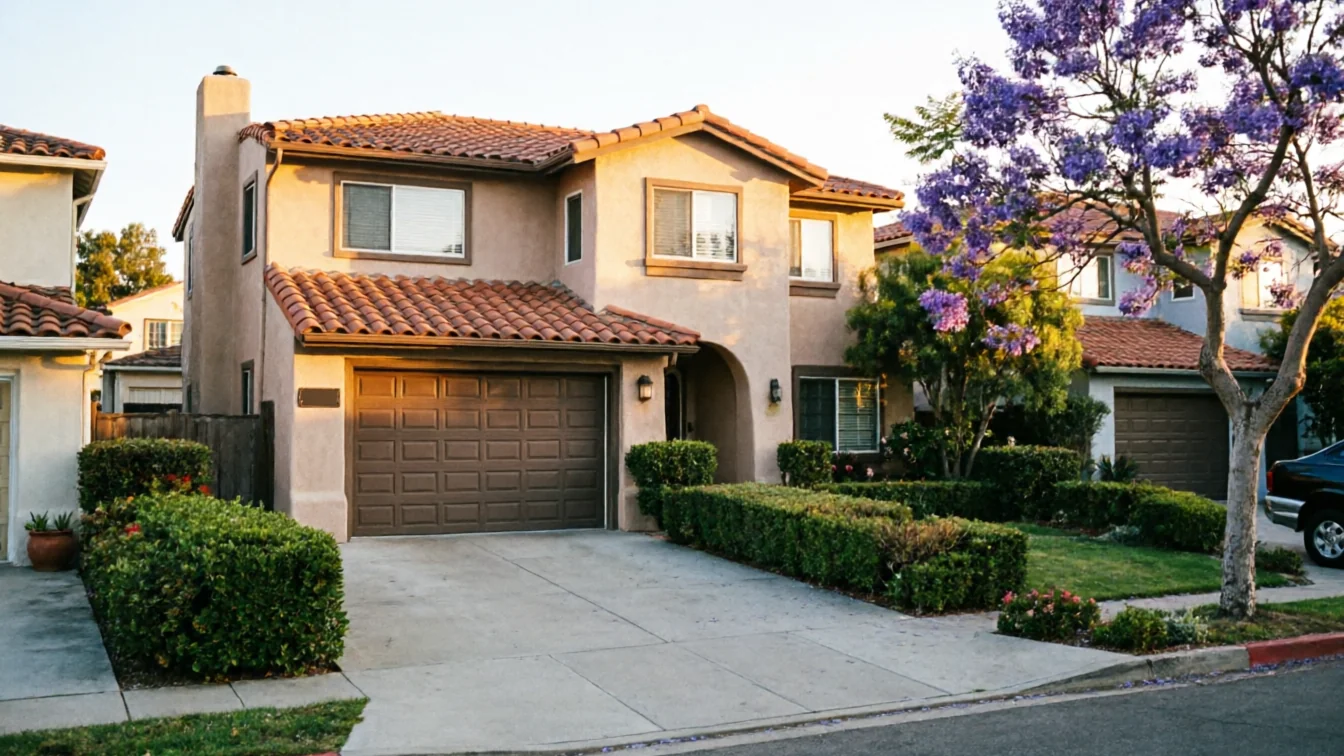
A two-story house with a brown garage door and a purple flowering tree.

Questions

Common questions

Is my garage door original if my house was built in 1976?

It's possible, especially if you haven't had a replacement done. Doors from that era in this area were typically steel sectional with extension springs. If you've never replaced the door or springs, assume the hardware is close to fifty years old and treat it accordingly.

Do you have a crew based in Placentia?

No. We work out of Fullerton, about 4 miles away, and drive over for service calls in Placentia. There's no separate branch or local depot here, just a short trip from our base.

How often should a door this age get maintenance?

Twice a year is reasonable for lubrication and a visual check, especially once hardware passes the 40-year mark. Older extension springs and worn rollers develop problems gradually, and catching them early is cheaper than an emergency call.

Ready when you are

Need a garage door sorted in Fullerton?

Fullerton Garage Door Pros repairs and installs garage doors, springs and openers in Fullerton, CA and the surrounding area.

Call NowGet a quote