Serving Fullerton, CA & nearby(657) 644-9757

Placentia, Fullerton

Garage Door Repair for Placentia's Mid-70s Housing Stock

Placentia homes mostly date to 1976, a decade newer than much of Fullerton's stock. We drive the 4 miles out and fix the extension-spring and steel-panel doors that era left behind.

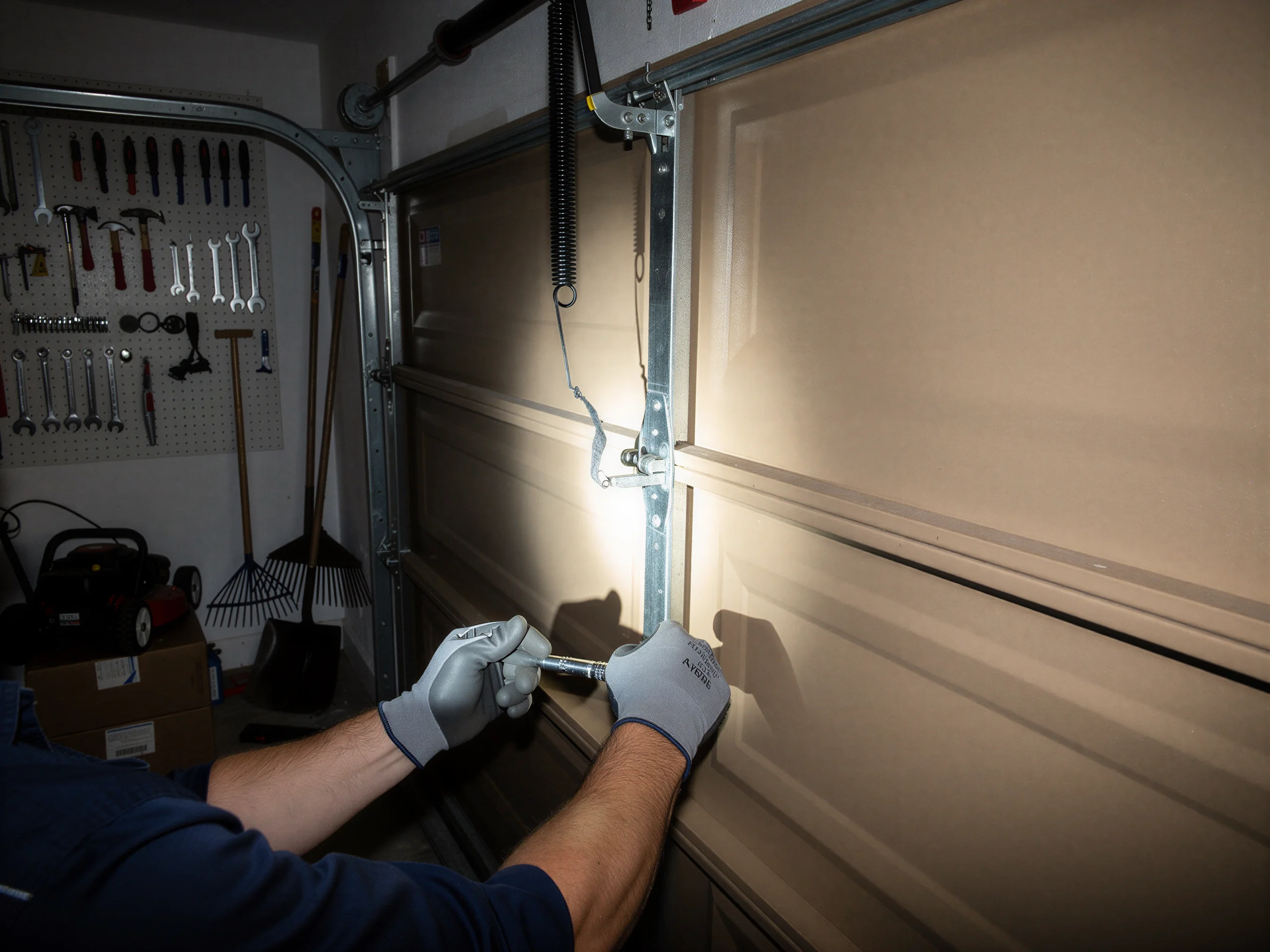
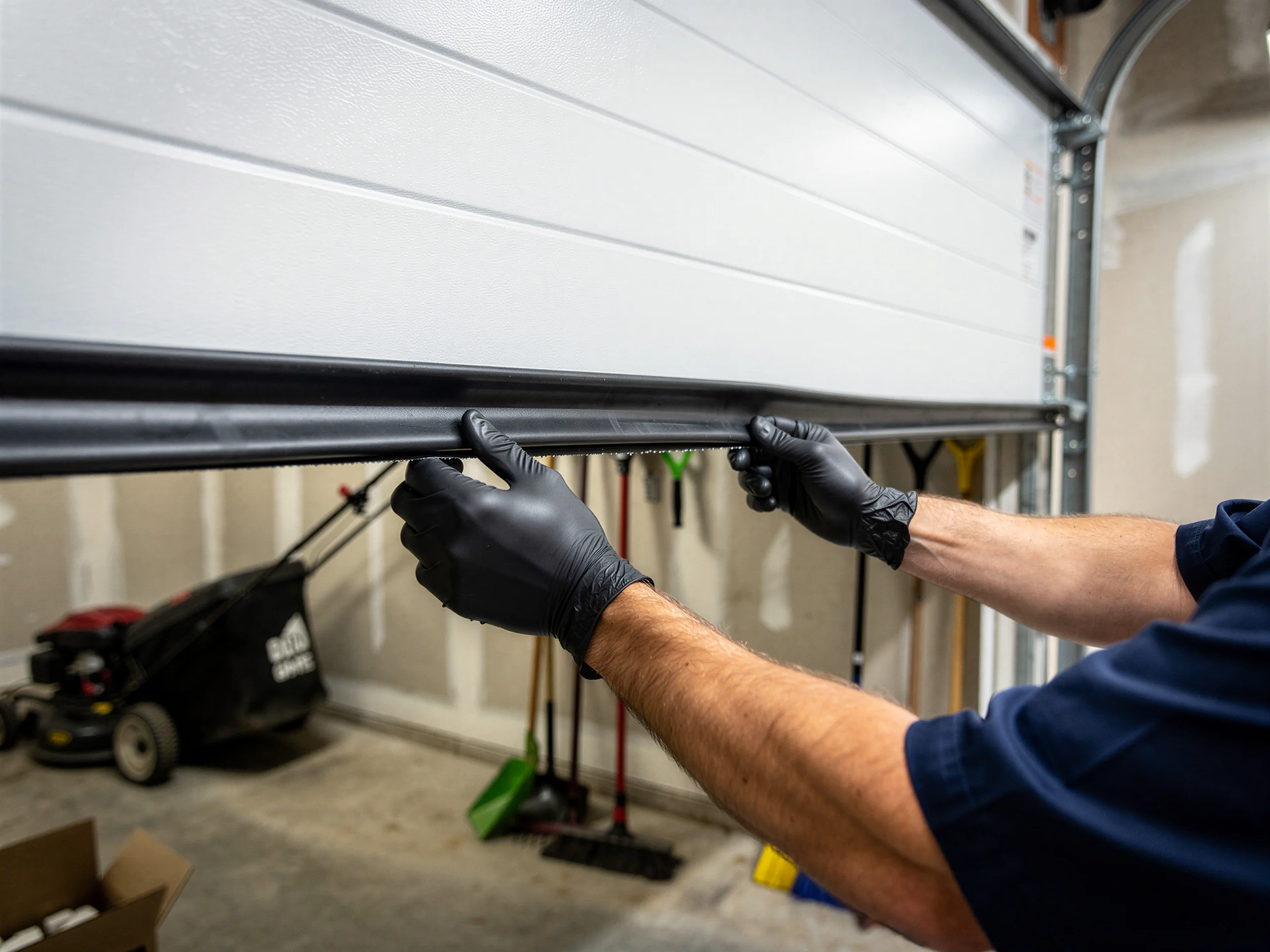
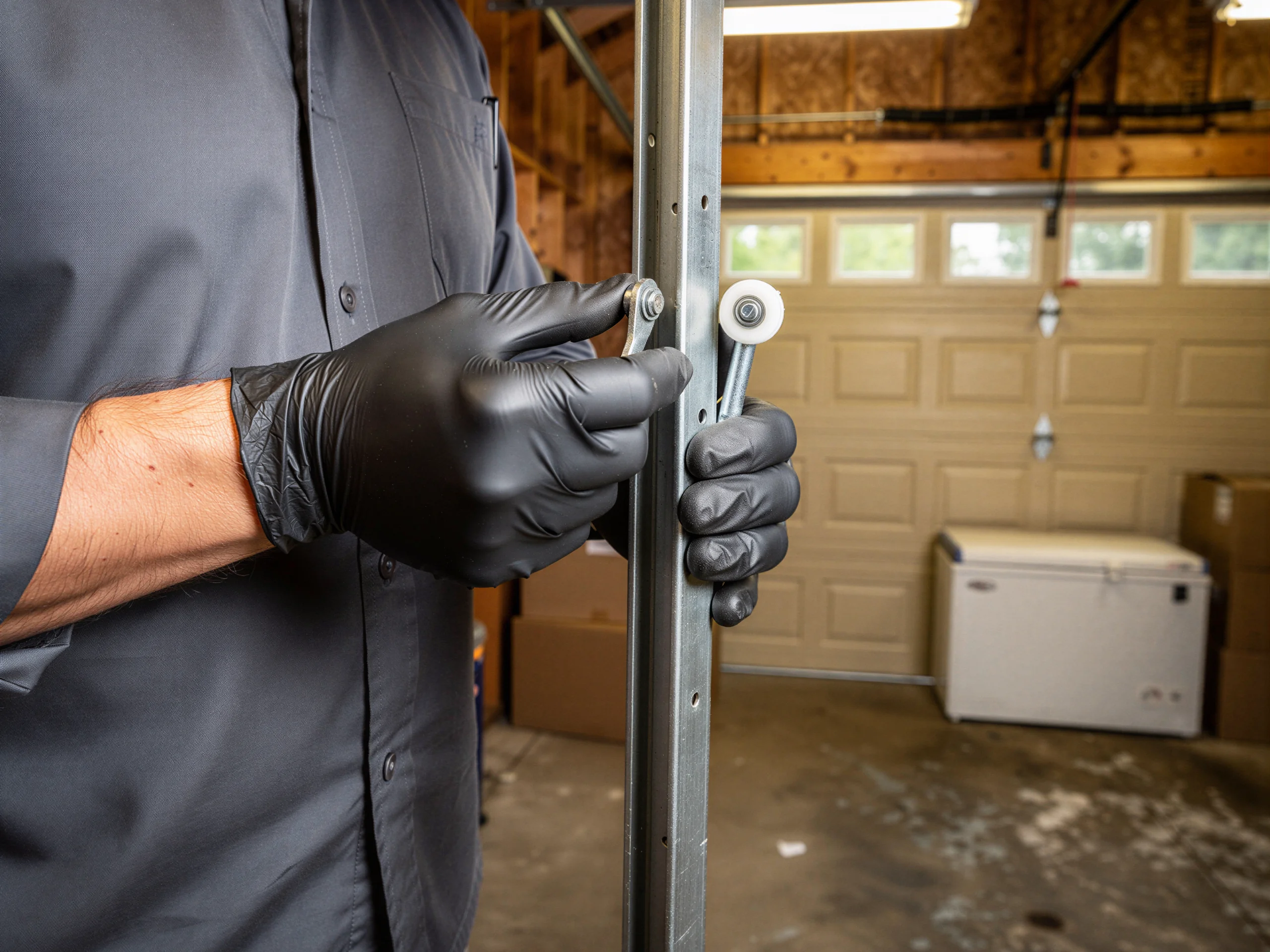
A technician in black gloves adjusts a metal garage door strut.
Same-day service in most cases
Serving Fullerton, CABackground-checked techsHonest, upfront pricingFast local response

DIY or pro

Doing It Yourself

Placentia's housing runs newer than a lot of what we see closer to Fullerton proper - median build year here is 1976, versus a service area that stretches back to 1938 on the old end.

Sectionals with extension springs

That later build date matters for what's actually on your garage. A lot of these houses came with steel sectional doors and extension springs rather than the older one-piece slab doors you still find on pre-1960 stock nearby. If you're comfortable with hand tools, you can check roller wear, tighten loose hinge bolts, and clear track debris yourself without much risk.
Hands off tensioned springs

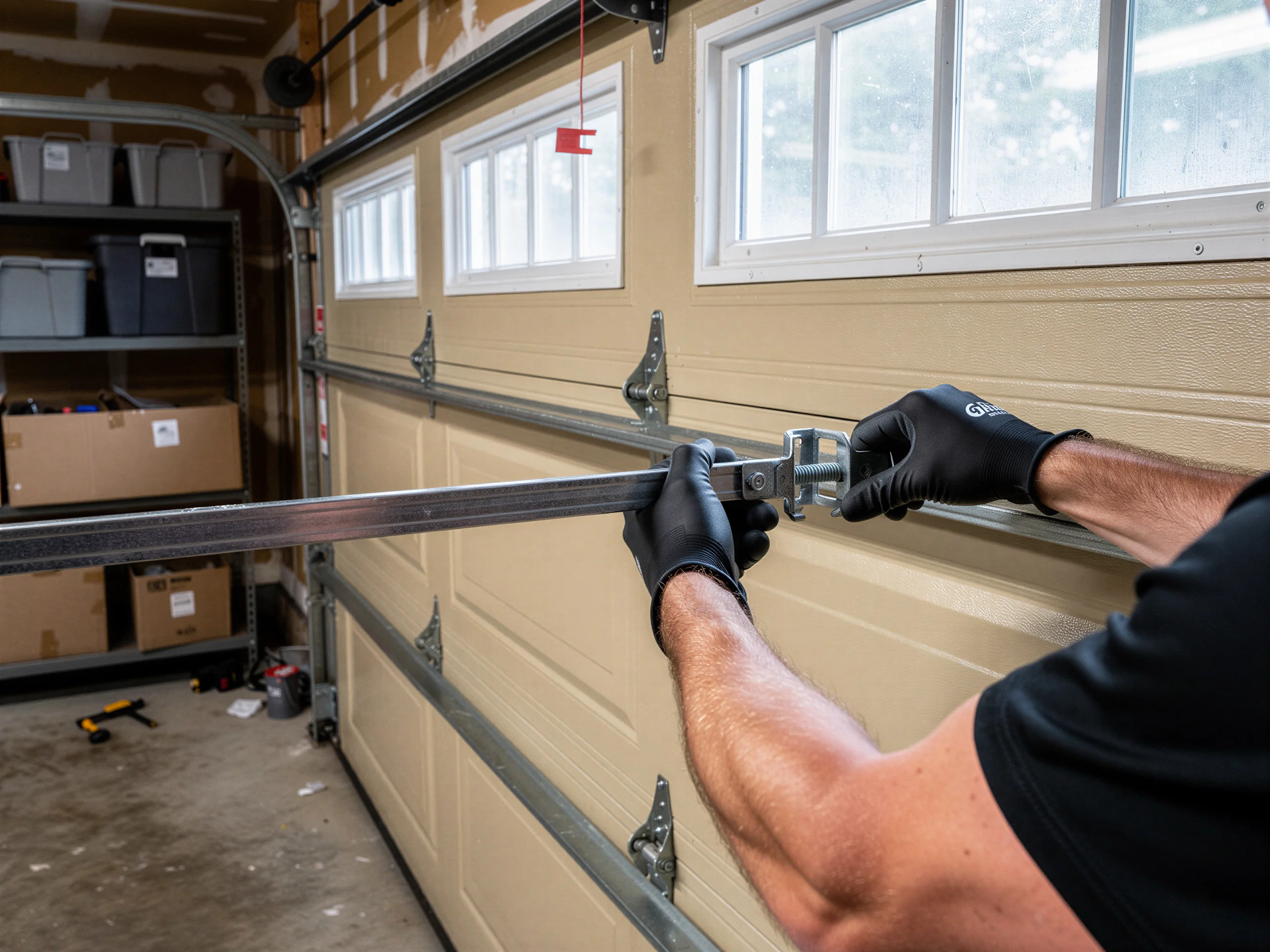
What you should not touch is anything involving the spring under tension - extension springs store a lot of force and a safety cable that's missing or improperly routed turns a simple fix into a trip to urgent care.

Check switch and sensors

If the door won't move at all, check the wall switch and the photo-eye sensors at the bottom of the track before assuming it's mechanical; a knocked sensor is a five-minute fix, a broken spring is not. Know your limit and call before you're in over your head.

Our process

How We Fix It

We come out from Fullerton - it's about 4 miles - carrying the parts that match what actually gets installed in houses from the mid-1970s: standard-size extension springs, steel roller brackets, and the lighter-gauge track common to that era's builder-grade doors.

  1. Site diagnosis, not phone

    We diagnose on site, not over the phone, because two doors that look the same can have different spring counts or cable routing depending on who built the track originally.

  2. Wire gauge matched to weight

    For a spring replacement we match the wire gauge and length to the door's actual weight rather than guessing off a chart. For opener issues we test the logic board, the sensors, and the drive mechanism separately so we're not replacing a $20 part with a $200 one.

  3. Patching twice costs more

    We're upfront when a repair isn't worth it - if the track is bent in multiple places or the door itself has rusted through on a house this age, replacement usually costs less over time than patching it twice.

Watch-outs

What Can Go Wrong

Doors built around 1976 are old enough now that original hardware is wearing out on a predictable schedule, even in a mild climate that doesn't stress metal the way freeze-thaw regions do.

Springs past cycle count

Extension springs from a 46-year-old installation are past their rated cycle count whether or not they've ever snapped - metal fatigue doesn't announce itself. Steel rollers from that era were often nylon-free, and after decades of use they wear unevenly, which throws the door off-track under load.

Miscalibrated safety reversal

Opener units from a later retrofit don't always match the original track geometry, so the safety reversal can be miscalibrated without anyone noticing until it fails to catch something.

Shared neighborhood fingerprint

None of this is unique to one house - it's the shared fingerprint of a neighborhood built in a tight window of years, which is exactly why the symptoms repeat from one address to the next.

Warning signs

How It Shows Up

The most common call we get from this part of the service area is a door that slams the last foot of travel instead of settling - a sign the extension spring has lost tension or snapped on one side. Second most common: a door that reverses right before it closes, usually the safety sensor or a worn cable catching on a rusted pulley. You'll also hear a distinct scraping or grinding if the original steel rollers haven't been swapped for nylon ones - that sound gets worse, not better, if you ignore it. Household income in this area runs noticeably higher than the service area median ($110,575 versus $96,041 across the broader area), and we mention that only because it tends to mean owners replace worn opener units proactively rather than waiting for full failure - so we see more opener calls here relative to spring calls than in older, lower-turnover pockets nearby.

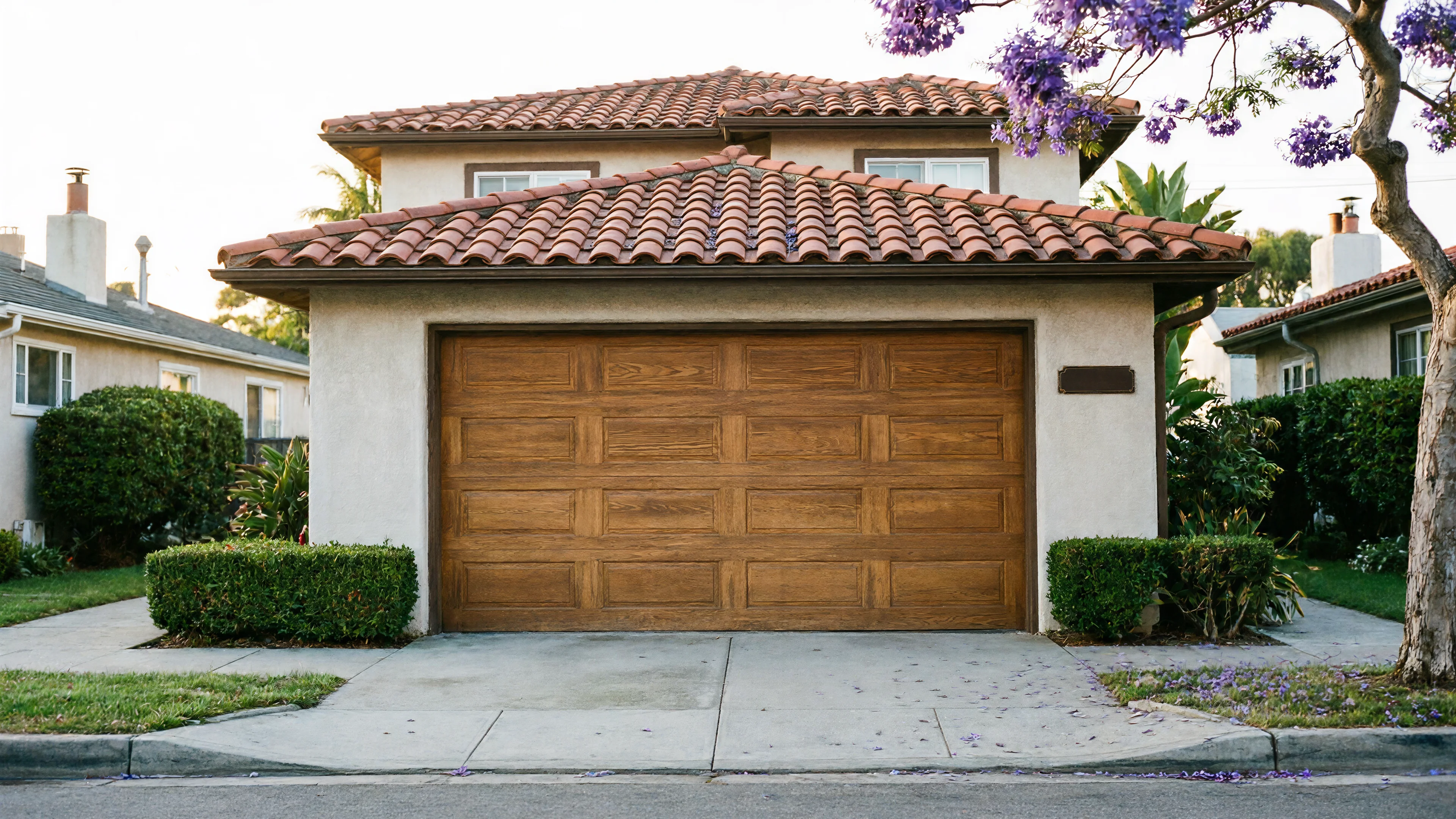
A house with a brown wooden garage door and a red tile roof.

Timing

How Long It Takes

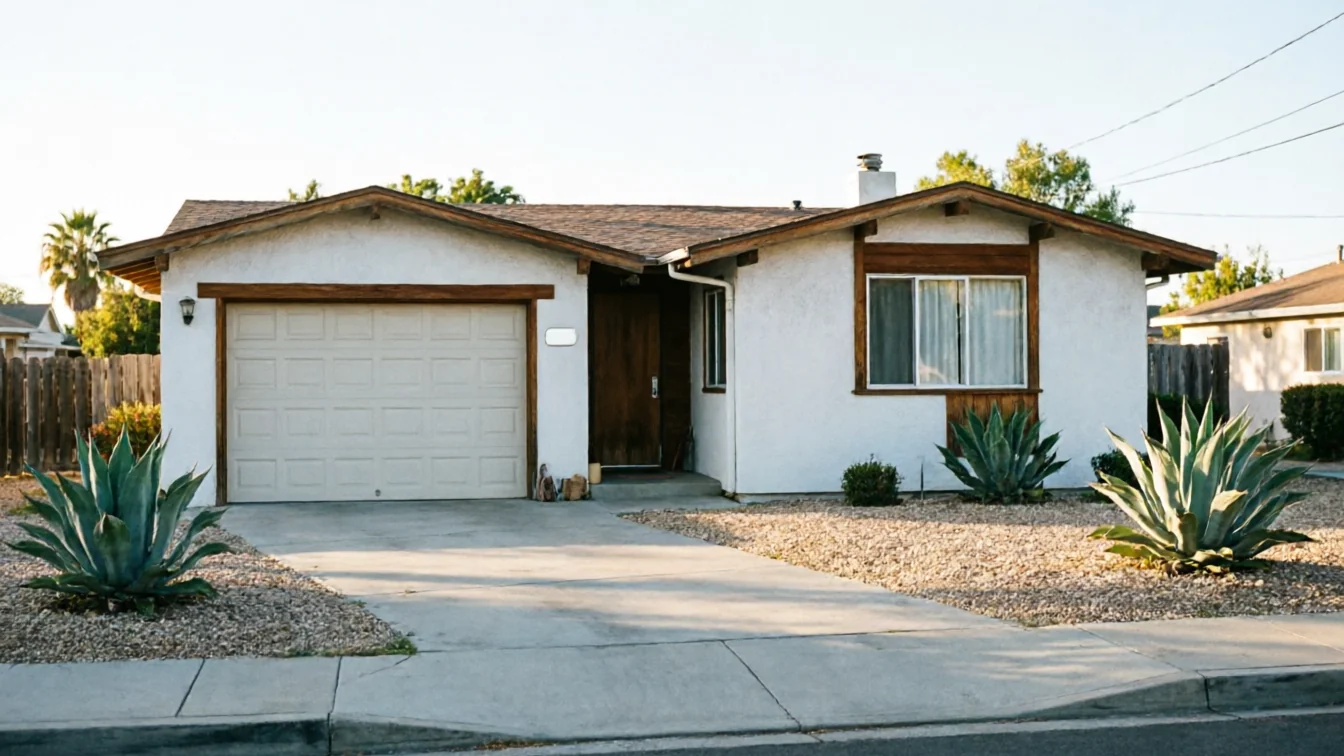
A white house with a beige garage door and agave plants in the front yard.

A straightforward extension spring replacement on a standard double door usually runs under two hours once we're on site, parts in hand. Roller and cable work is faster - often under an hour for a full set. Opener repairs vary more: if it's a sensor alignment or a logic board reset, it's quick; if the drive gear has stripped, we may need to source a part that isn't on the truck, which pushes the job to a return visit. We're honest about that upfront rather than making you wait around while we figure it out. Given the 4-mile run from Fullerton, travel isn't the bottleneck - diagnosis and parts are. We'd rather tell you it's a two-visit job than rush a fix that comes loose in six months.

Questions

Common questions

Are Placentia garage doors different from ones in older parts of Fullerton?

Often, yes. Placentia's housing stock centers on 1976, which is newer than a lot of the service area's older sections. That generally means steel sectional doors with extension springs rather than the heavier one-piece slab doors and older torsion setups found on pre-1960s houses nearby.

Do you have a branch in Placentia?

No. We operate out of Fullerton and drive the roughly 4 miles to Placentia for service calls. There's no separate depot or local office here, just a short trip over from our main location.

Why does my door slam shut at the end instead of closing gently?

That's almost always a worn or broken extension spring losing its ability to control the door's descent. It's common on doors from the mid-1970s building wave that Placentia largely falls into, since the original springs are well past their service life by now.

Is it worth replacing an old opener instead of repairing it?

Depends on the fault. A bad sensor or logic board is often a cheap fix. A stripped drive gear or a unit that predates the current door setup is usually better replaced outright, since parts for older openers aren't always available and the labor to chase them can exceed a new unit's cost.

Ready when you are

Need a garage door sorted in Fullerton?

Fullerton Garage Door Pros repairs and installs garage doors, springs and openers in Fullerton, CA and the surrounding area.

Call NowGet a quote