
Heavier panels, mismatched parts
The mismatch shows up as strain on the spring and extra wear on rollers that were never sized for the heavier replacement panels many owners installed over the decades.
Buena Park, Fullerton
Garage door maintenance for Buena Park homes built mostly in the 1960s, run from our Fullerton shop five miles away. Mild coastal climate, real hardware fixes.
Booking
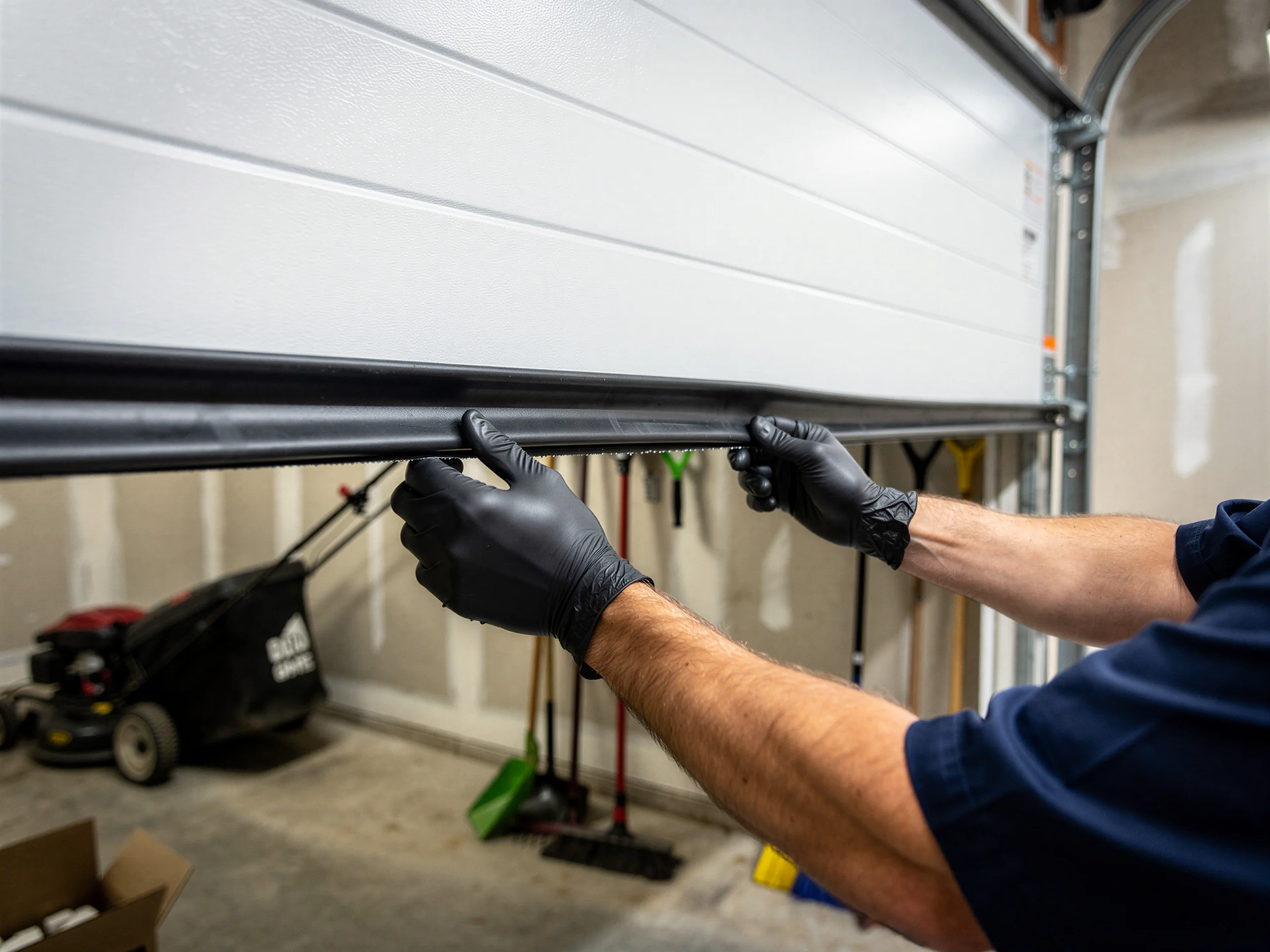
Buena Park sits about five miles from our shop in Fullerton, which is close enough that a maintenance visit doesn't turn into a half-day affair.
We're not based in Buena Park itself - there's no branch office or depot here - but five miles is a short enough drive that we can fold a tune-up into the same route as calls in La Habra or Placentia without the truck sitting in traffic for an hour.
What that means for you: we ask a few questions up front about the door's age and what it's doing (or not doing), because a five-mile drive is worth doing once, with the right parts already on the truck, rather than twice. If your opener was installed anywhere near when the house was built, tell us that on the phone.
It changes what we bring. We book maintenance as a standalone visit, not bundled with every other service we offer out of Fullerton - that's a different page, a different decision. This one is about keeping a Buena Park door running the way it's supposed to, on a schedule that fits a house of this age.
Watch-outs
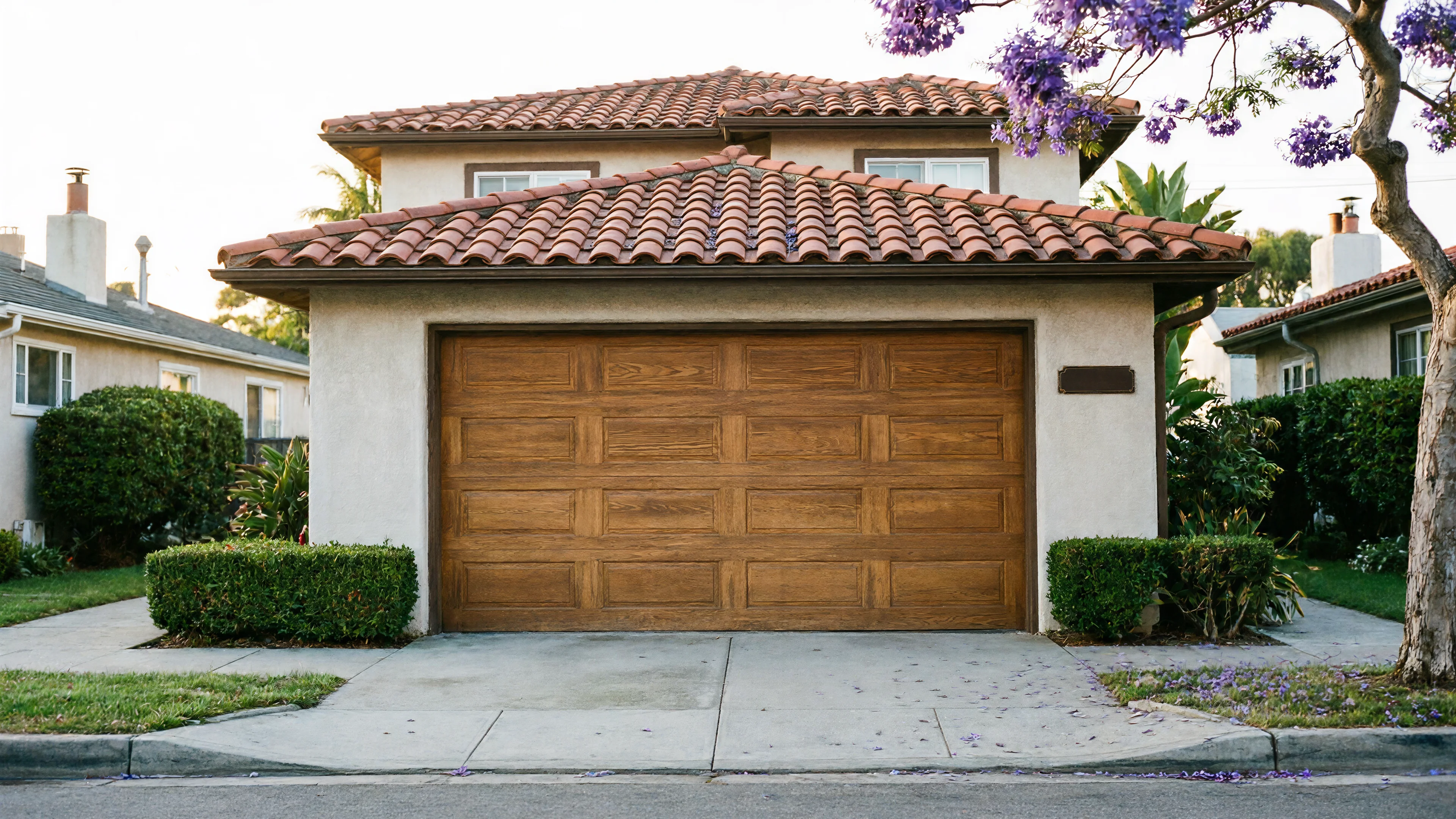
Buena Park's housing stock is mostly 1960s construction, with the city's own median build year landing around 1966. That generation of house usually came with a single steel panel door and a torsion spring sized for the lighter doors of that era, later upgraded with an added opener that wasn't engineered for the original hardware.
The mismatch shows up as strain on the spring and extra wear on rollers that were never sized for the heavier replacement panels many owners installed over the decades.
The mild coastal-influenced climate here is gentler on hardware than a lot of inland service areas - you're not fighting hard freeze-thaw cycles or heavy snow load - but that same mild, humid air still works on unlubricated springs and dry tracks over fifty-plus years. Rust doesn't jump out at you here; it creeps in quietly at the spring coils and hinge pins.
One honest limitation: if a door's opener and spring were mismatched decades ago and have been compensating for each other ever since, a maintenance visit can catch it and ease the strain, but it won't fully correct a sizing problem. At some point that's a hardware swap, not a tune-up, and we'll tell you straight when we see it.
On the truck
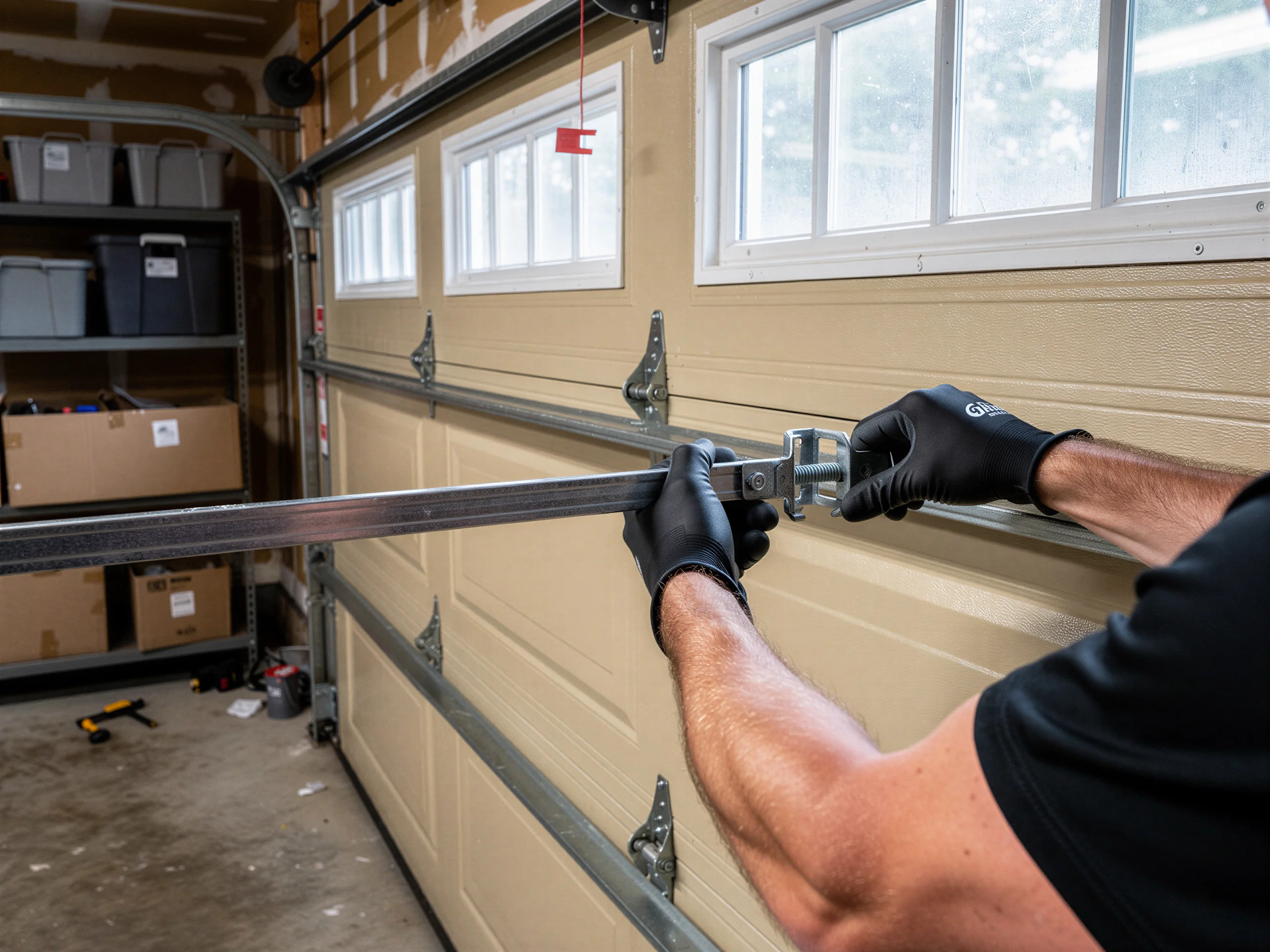
Because so much of Buena Park's housing dates to the 1960s and 70s, the torsion springs, rollers, and cable sizes that generation of door needs are the parts we keep stocked on the truck for this run.
We're not guessing based on a newer suburb's housing mix - the 1966 median build year here tells us what's likely waiting behind the door before we knock. What we carry covers the common wear items: springs sized for original steel panel doors, standard-width rollers, cable sets, and the hinges and fasteners that corrode first in coastal-influenced air.
What we don't carry on every truck are specialty parts for doors that have been heavily customized or replaced with non-standard panel sizes - those sometimes mean a return trip once we've confirmed the exact spec, and we'd rather tell you that than pretend otherwise.
Stocking for the housing era rather than for a generic job is the difference between one visit and three. It's also why the five-mile drive from Fullerton works in your favor - we're not making that trip twice because we guessed wrong on spring size.
DIY or pro
There's a fair amount an owner can do between our visits. Wipe down the tracks and check for debris, listen for new grinding or popping sounds when the door runs, and look at the bottom corners of the panel for rust starting at the weld seams - common on doors from this build era once they pass the half-century mark.
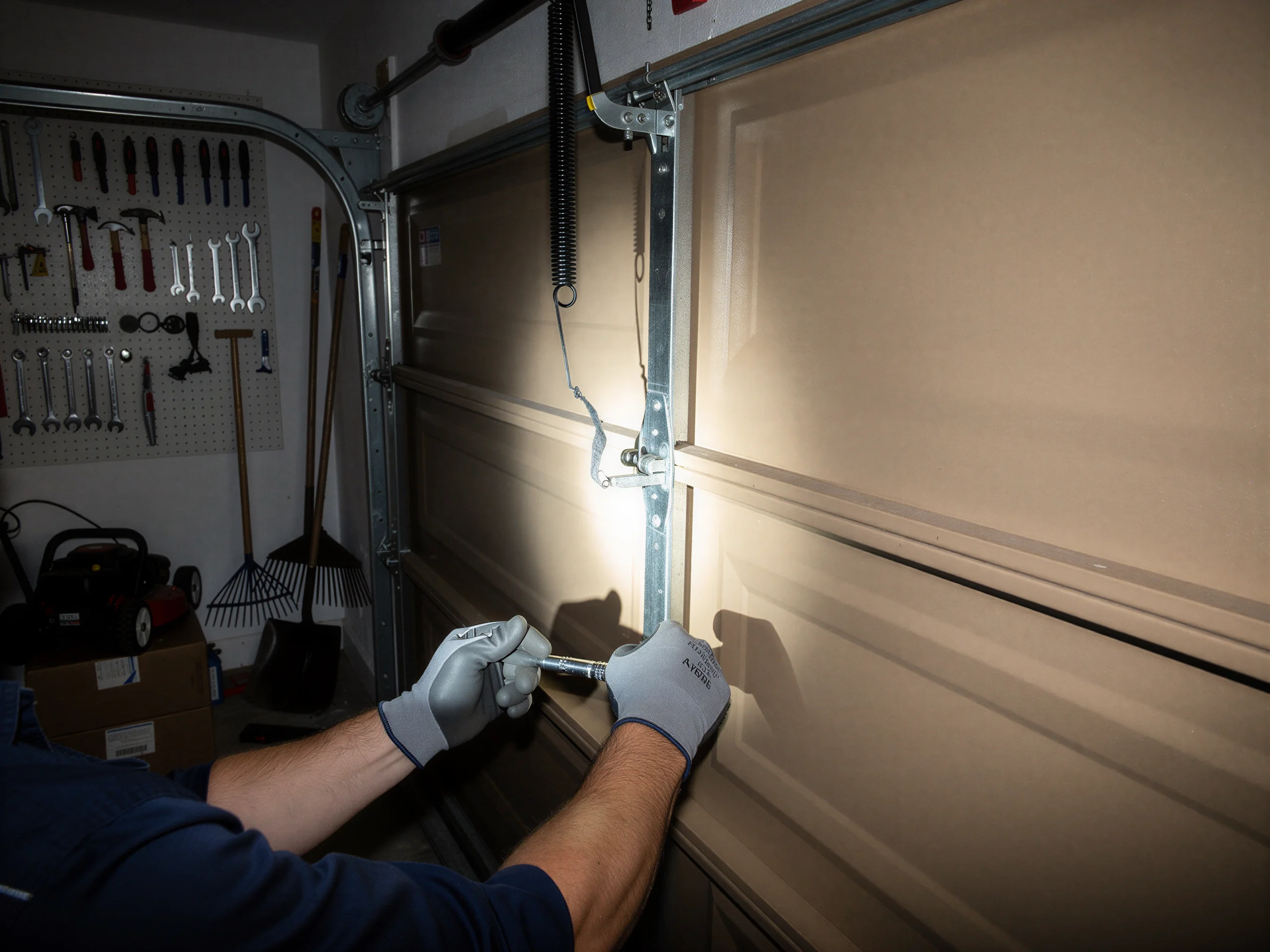
What you shouldn't do yourself: touch the torsion spring. It's under enough tension to cause serious injury, and on a house with 1960s-era hardware, you often can't tell by looking whether it's been replaced once, twice, or not at all since the home was built. That history matters for how it's wound and how it fails.
Lubricating hinges and rollers with a garage-door-specific lubricant (not household oil, which attracts grit) once or twice a year is reasonable for an owner to handle. Beyond that - spring tension, cable replacement, opener force settings - it's worth the five-mile drive to have someone look at the actual hardware rather than work from a general checklist that assumes a newer door.
Questions
Once a year is reasonable for most houses on this side of town, given the mild climate and the age of the original hardware. If the opener has ever felt like it's straining or the door hesitates partway through its cycle, don't wait for the annual visit - that's often a spring or cable issue starting early.
No. We run out of Fullerton, about five miles away, and travel to Buena Park for service calls including maintenance visits. There's no local depot or drop-in location here.
Most houses in Buena Park were built in the 1960s and 70s, so we stock torsion springs, rollers, and cable sizes common to that era on the truck. If your door has been heavily customized or replaced with a non-standard panel, we may need to confirm the spec before a return trip.
It's milder than a lot of inland areas - no real freeze-thaw cycles - but the humidity still causes slow rust at spring coils and hinge pins over decades. It's a quieter kind of wear than you'd see further inland, but it adds up on original 1960s hardware.
Explore more
Ready when you are
Fullerton Garage Door Pros repairs and installs garage doors, springs and openers in Fullerton, CA and the surrounding area.