
Center-shaft torsion on sectionals
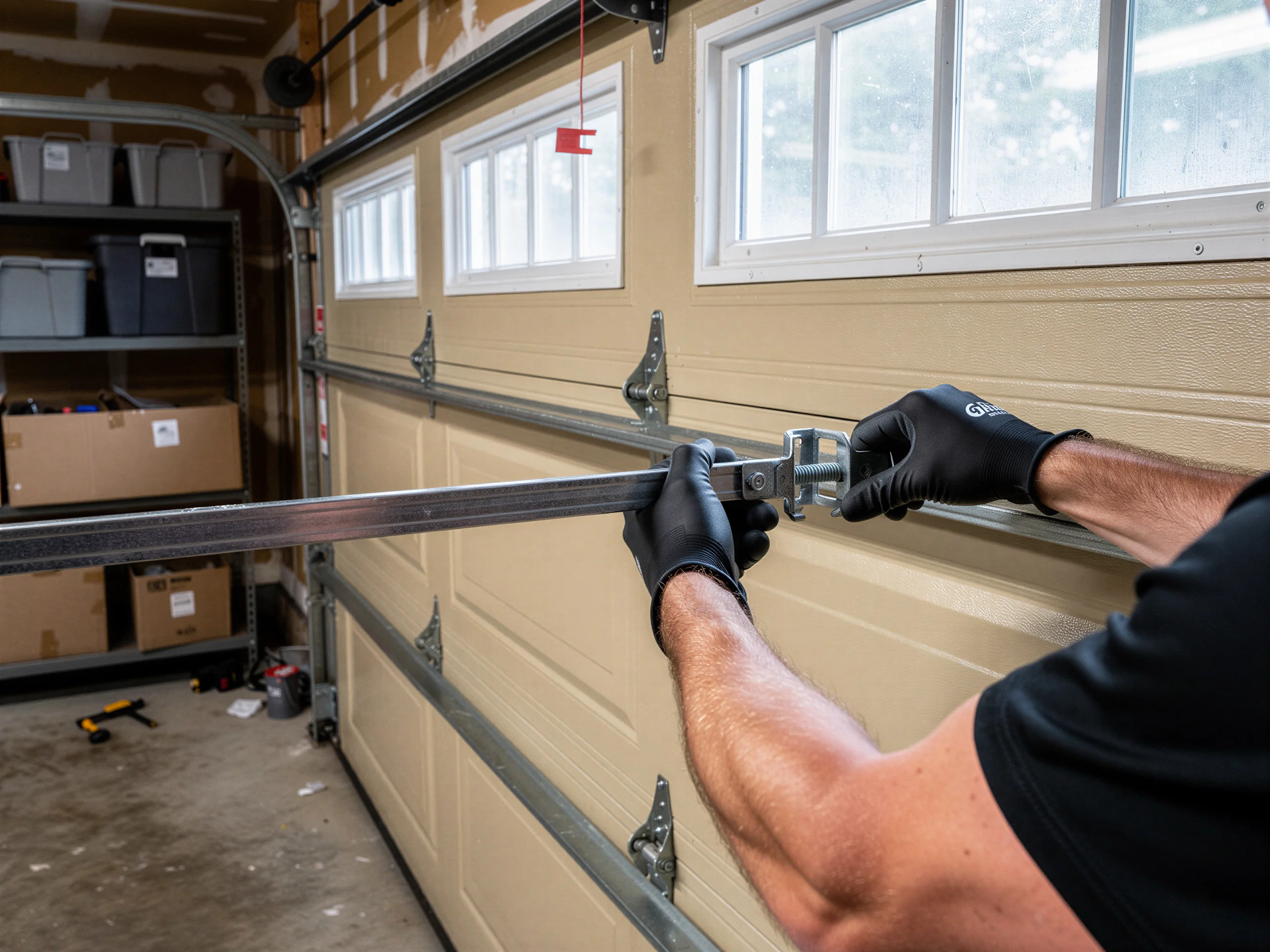
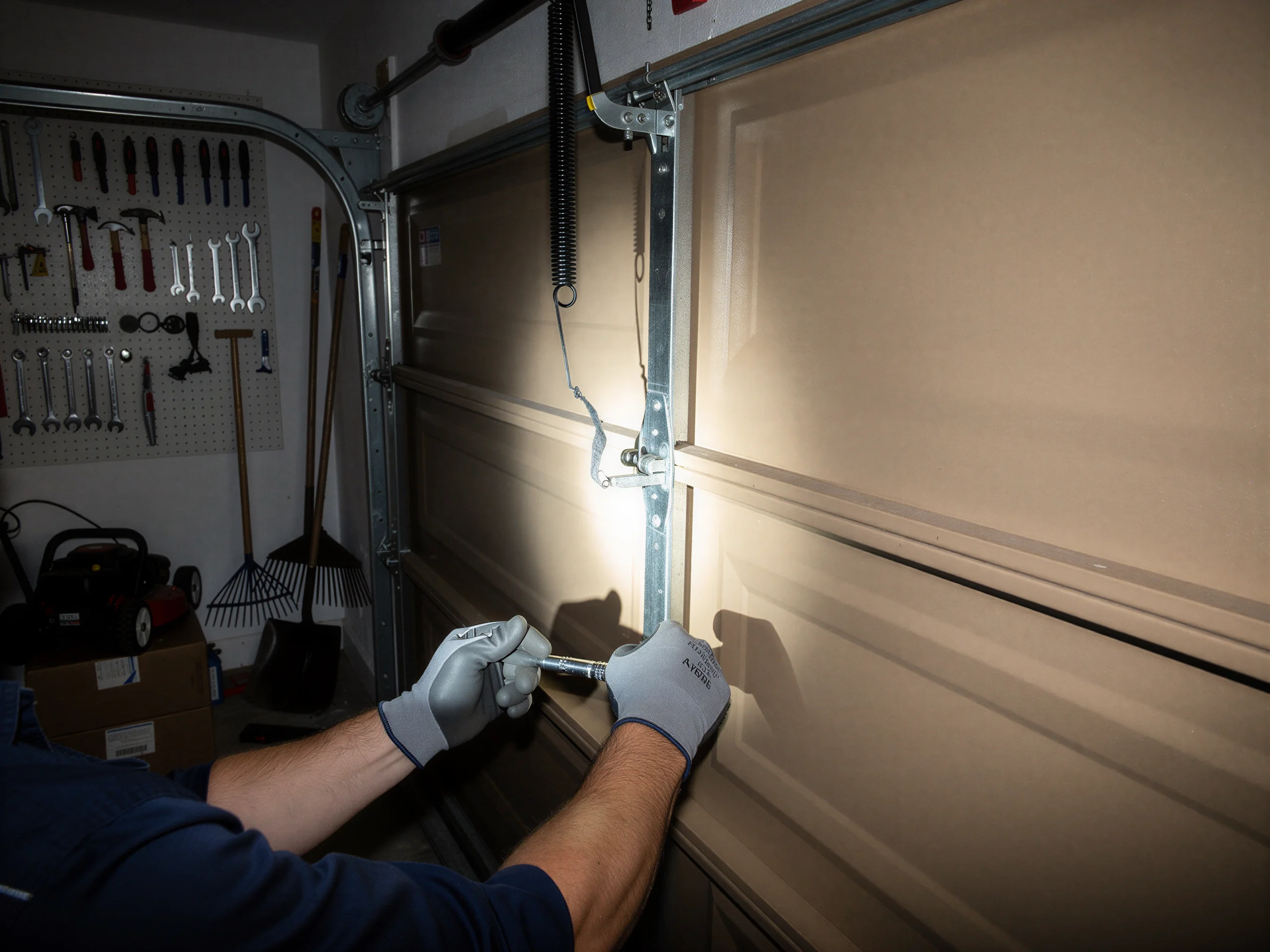
Doors from the mid-1970s mostly came with steel sectional panels and torsion springs mounted on a center shaft rather than the side-mounted hardware common on older one-piece doors.
Rowland Heights, Fullerton
Rowland Heights homes mostly date to the mid-1970s, a decade newer than Fullerton's median. That gap changes which springs, tracks, and openers we bring on the truck.
On the truck
Fullerton's housing stock centers on 1964. Rowland Heights runs newer, with a median build year closer to 1976. That decade matters more than it sounds like it should.
Doors from the mid-1970s mostly came with steel sectional panels and torsion springs mounted on a center shaft rather than the side-mounted hardware common on older one-piece doors.
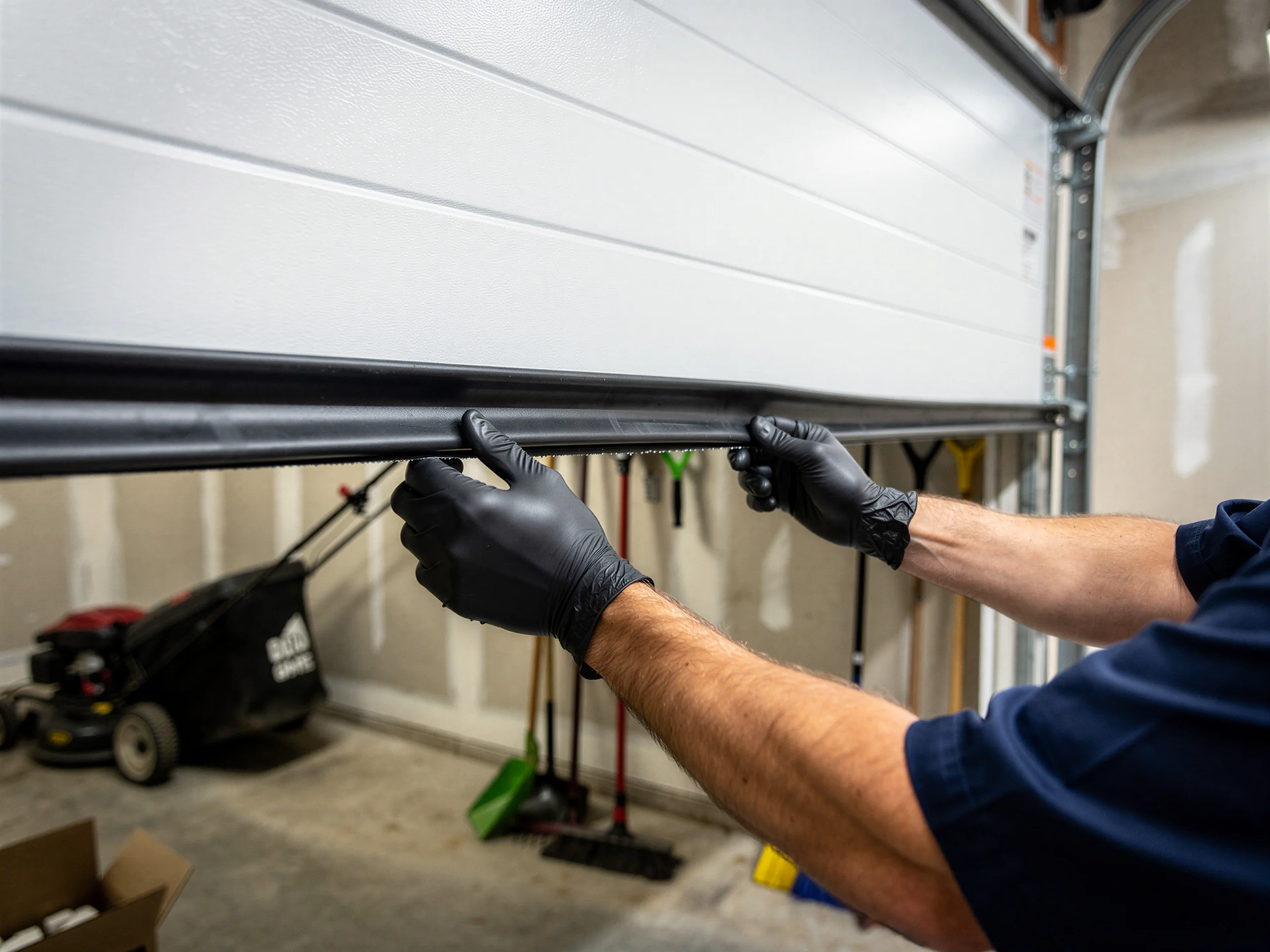
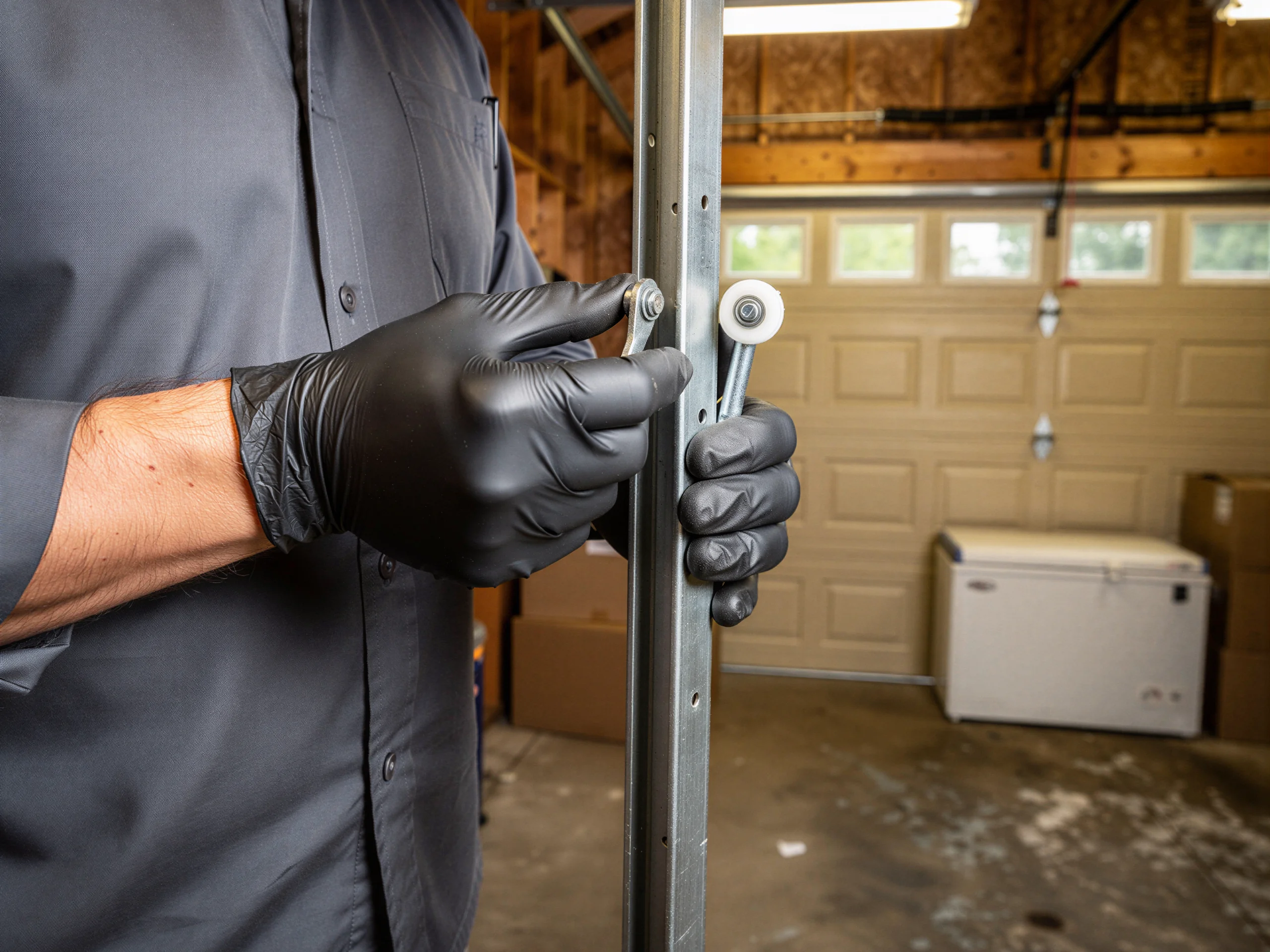
The failure points are different too: factory rollers from that era are often nylon-on-steel with no bearing, and the extension spring setups that showed up on some tract builds through the late '70s wear out their safety cables faster than torsion systems do.\n\nWe load the truck with standard torsion springs in the sizes that match 7-foot and 8-foot sectional doors, 10-foot track sections, and nylon ball-bearing rollers as swap-up replacements for the originals.
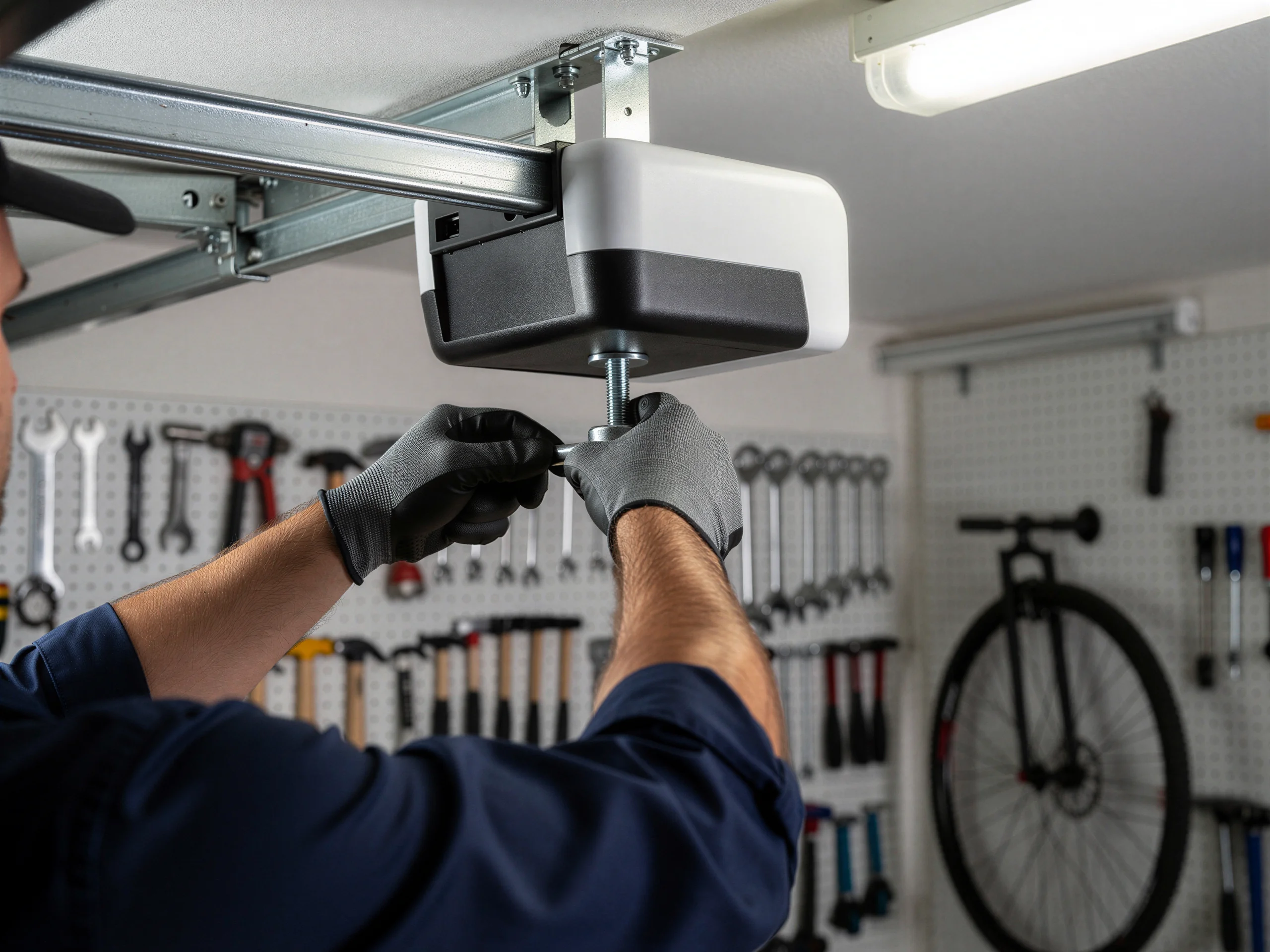
We also carry universal logic boards and belt-drive openers, since a lot of these houses have gone through at least one opener swap by now. What we don't stock is anything custom-cut - if a door was special-ordered at some point, that panel may need an order, and we'll tell you straight if that's the case rather than force a mismatch.
Local causes
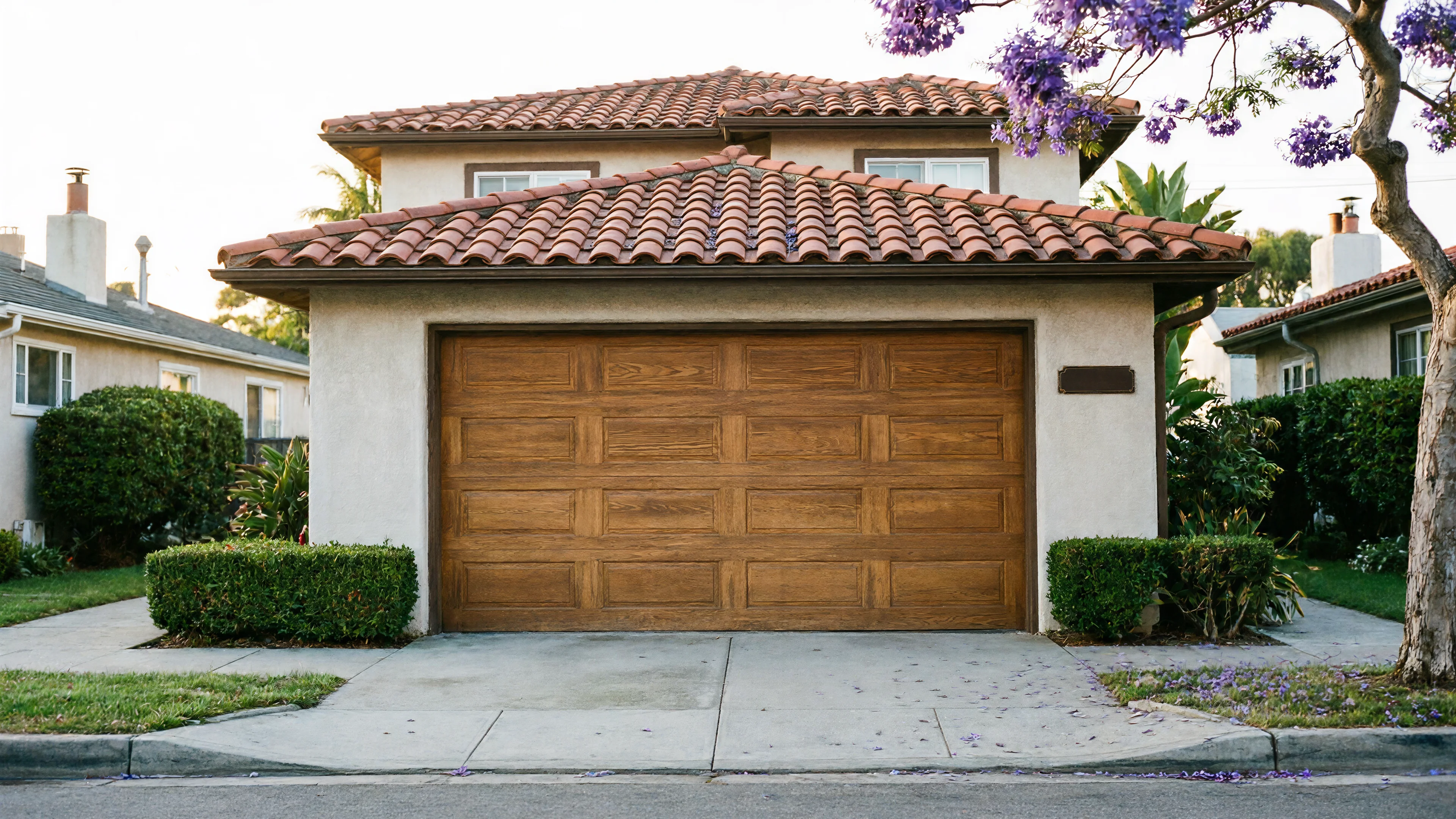
A door built around 1976 is now pushing fifty years old, and torsion springs are rated for cycles, not calendar years. At typical household use, that spring is well past the point where failure is a surprise - it's a matter of when, not if. The mild temperate climate here doesn't add the stress that cold-climate garages get from ice buildup or extreme swings, so when a spring or cable goes in Rowland Heights, it's almost always plain fatigue, not weather damage.\n\nThe other common call we get from this area is opener boards failing on original or first-replacement units. Circuit boards from the '80s and '90s openers weren't built for forty-plus years of service, and when they go, the symptom often looks like a dead spring or misaligned sensor instead of what it actually is.
Booking
We run out of Fullerton, about 6 miles from Rowland Heights, so every job here starts with a call to get the make, age, and symptom of the door before anyone drives out.
That's not a stall - it means we load the right spring size and roller type on the truck the first time instead of making a second trip.
Tell us the door's rough age if you know it, whether it's a steel sectional or something older, and what it's doing (won't open, drifts down, loud bang, stuck halfway).
That's usually enough to quote the job before we're on site.\n\nWe don't keep a branch or drop-off counter in Rowland Heights itself - the Fullerton shop is where the truck loads from, so booking ahead matters more here than it would for a same-block call.
Timing
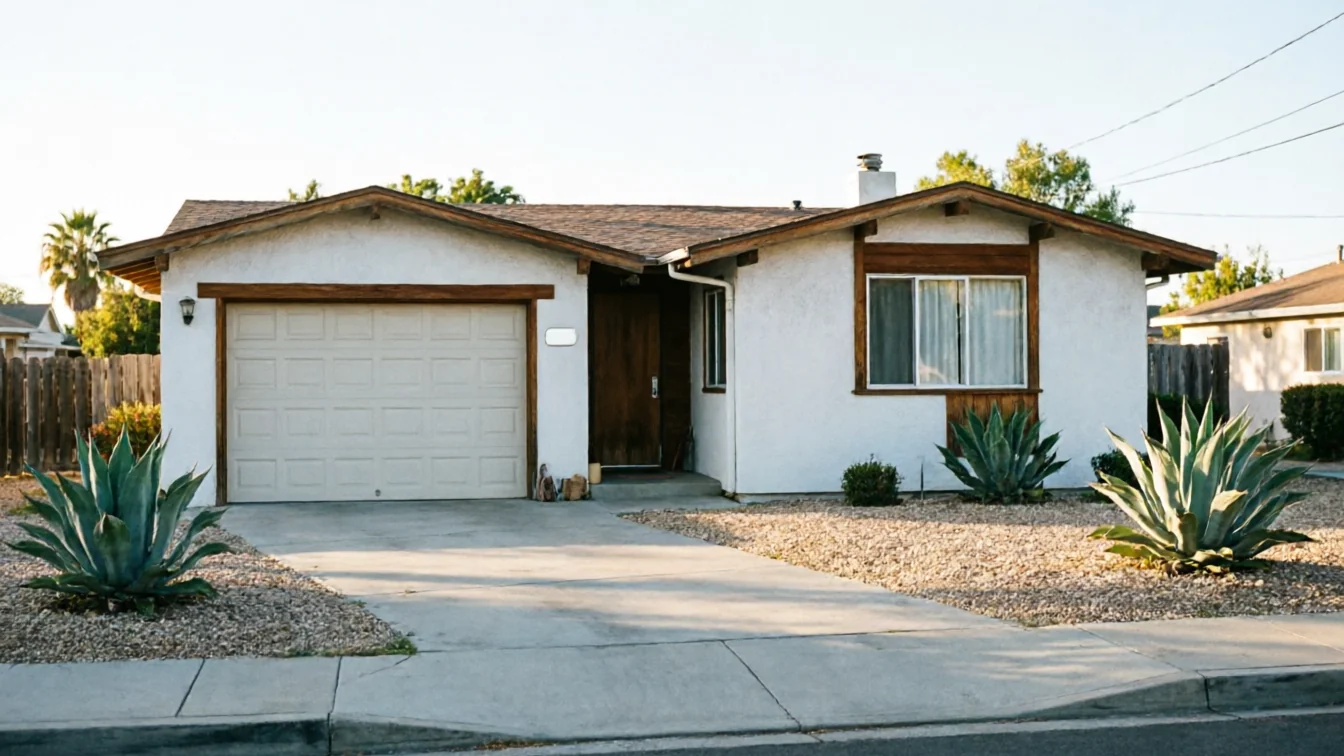
Most single-spring and opener-board jobs on a standard sectional door run in one visit once we're on site - usually under two hours of hands-on work. Where it stretches out is parts that aren't on the truck: a custom panel, a discontinued opener model, or track hardware that doesn't match anything stocked for a '70s-era door. In those cases we're ordering and coming back, and we'll say so up front rather than guess at a one-trip fix.\n\nGiven the 6-mile run from Fullerton, we build drive time into the appointment window rather than treating it as a rush job squeezed between two others.
Pricing
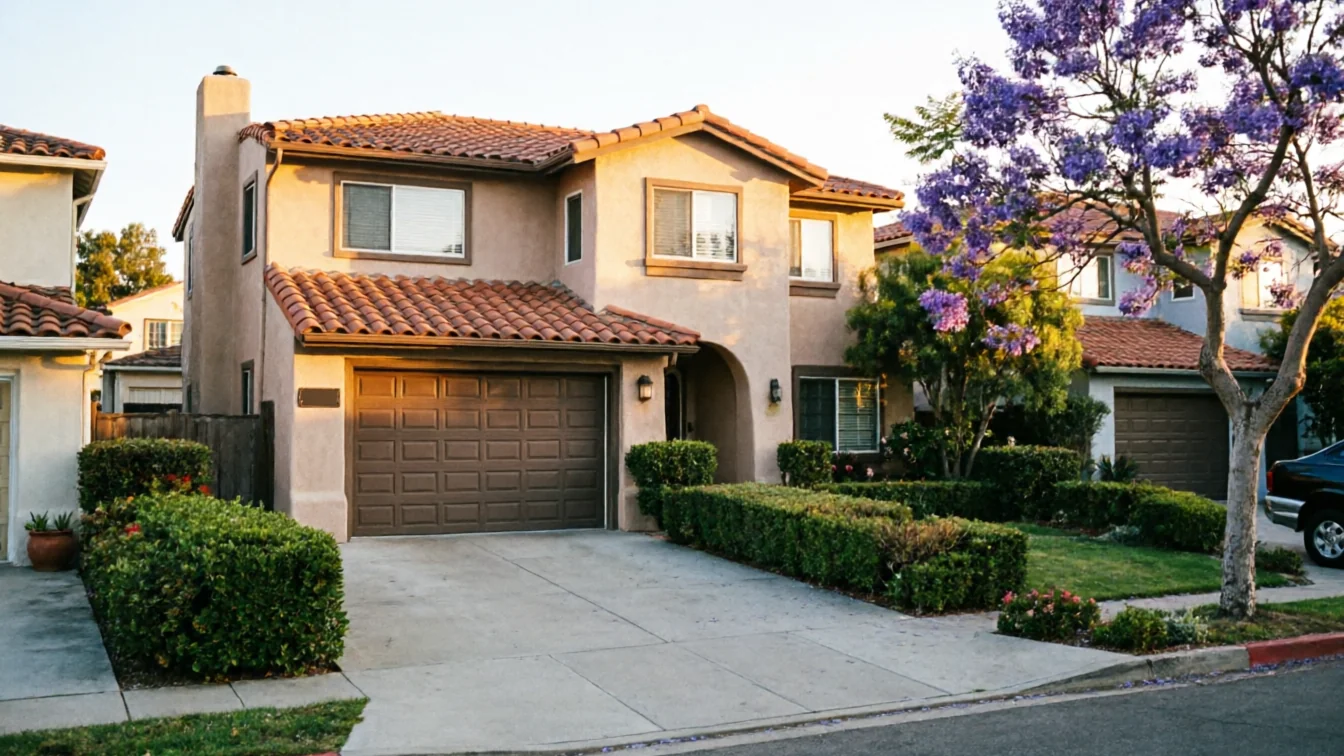
We don't have a published price list for this page, so we're not going to put a number here that isn't backed by something real - the honest answer is it depends on whether it's a spring, a cable, an opener board, or a full panel, and whether the part is something we carry or something we have to order. What we can say: Rowland Heights households sit at a median income around $85,202, noticeably below Fullerton's broader service-area median of $96,041, and that's part of why we quote the job before we drive out rather than after. You should know the number before we're standing in your driveway, not after.
Questions
Doors built around Rowland Heights' median year of 1976 mostly use center-mounted torsion springs and steel sectional panels, not the side-mounted hardware or one-piece doors common on older housing stock. The spring sizes, roller types, and track hardware differ enough that stocking the wrong set means a second trip.
No. We work out of Fullerton, about 6 miles away, and drive out for every job. There's no local drop-off counter or branch here, so booking ahead with your door's age and symptom helps us load the right parts before we leave.
Torsion springs fail by cycle count, not calendar age, but a door from the mid-1970s has almost certainly outlived any factory spring by now. If you haven't replaced it and don't know when it was last done, treat a sudden bang or a door that won't lift as the spring, not the opener.
Not much directly. Rowland Heights sits in a mild temperate band without the freeze-thaw or heavy humidity swings that stress hardware elsewhere. Most failures we see are plain mechanical fatigue - springs and rollers at the end of their cycle life - rather than weather-driven damage.
Explore more
Ready when you are
Fullerton Garage Door Pros repairs and installs garage doors, springs and openers in Fullerton, CA and the surrounding area.